
Ceremonial vs. Culinary Matcha: A Buyer’s Guide
If you’re sourcing matcha for the first time, the grade labels can be confusing. Ceremonial and culinary sound like quality tiers, but that’s not quite right. They describe two different products, milled for two different jobs.
Pick the wrong grade, and you either overspend on matcha you don’t need or underdeliver on a product your customer will notice. This guide breaks down the real differences, shows you which grade fits which application, and answers the questions buyers ask us every week.
The Short Answer
Ceremonial grade is milled for drinking. Culinary grade is milled for cooking, baking, and blending.
That’s the core distinction. Everything else — harvest, color, flavor, price — follows from it. Ceremonial grade comes from the first harvest and gets stone-ground to preserve delicate flavor. Culinary grade comes from later flushes and gets milled for dispersion, color, and cost efficiency.
If you’re building a product, the question isn’t “which grade is better.” It’s “which grade fits my application.”
What Makes Ceremonial Grade Ceremonial
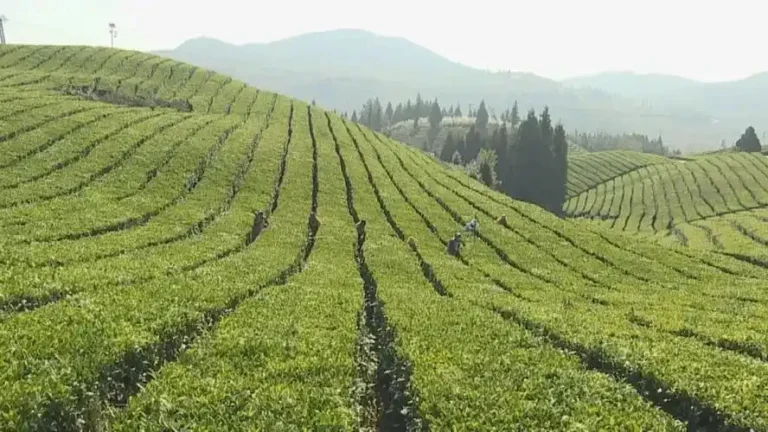
Ceremonial grade matcha starts with first-harvest leaves. Farmers shade the tea plants for 20–30 days before picking, which boosts chlorophyll and L-theanine while reducing catechins.
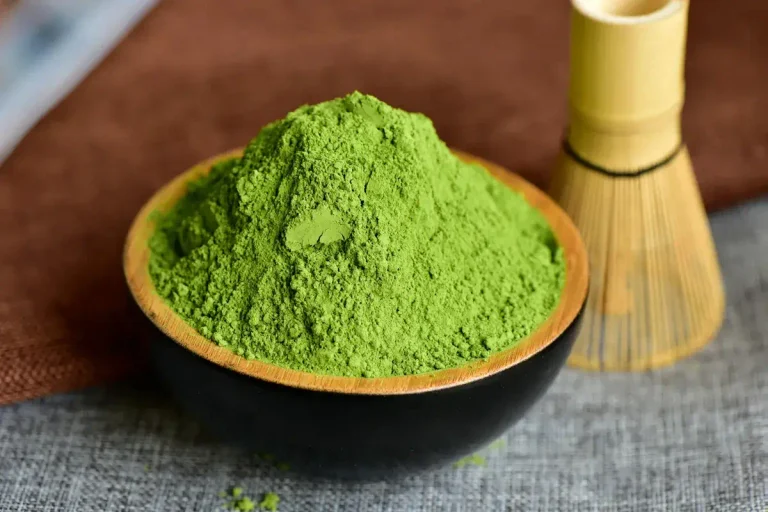
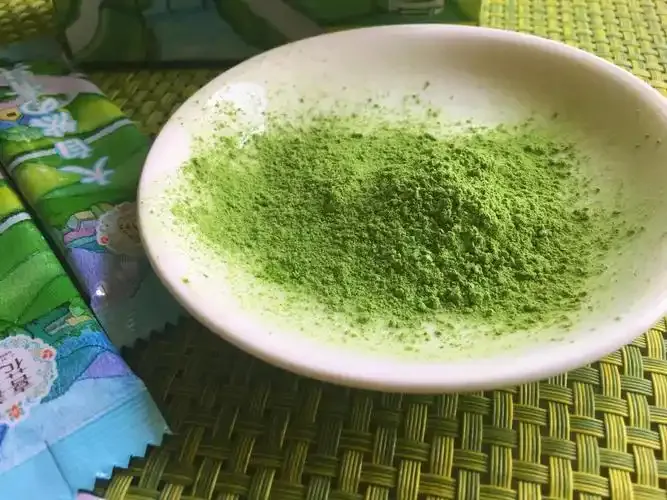
The result shows up in the bowl. Ceremonial matcha has a vivid jade color, a sweet and umami-rich flavor, and almost no bitterness. It whisks into a smooth foam, which is why tea rooms use it for traditional service.
Three things define ceremonial grade:
- First harvest only — the youngest, most tender leaves
- Shade-grown — 20–30 days of shading before picking
- Stone-ground — slow milling at low speed to protect flavor and color
That process takes time and labor, and the price reflects it. Ceremonial grade costs more per gram than any other grade.
What Makes Culinary Grade Culinary
Culinary grade matcha comes from second and third flushes. The leaves are older, which means less L-theanine and more catechins — a bolder, slightly more bitter flavor.
That flavor profile works in baking, blending, and cooking. Sugar, fat, and heat mask the bitterness, so the subtlety of ceremonial grade would be wasted. Meanwhile, the stronger color of culinary grade holds up better in batters, doughs, and frozen desserts.
Three things define culinary grade:
- Later flushes — second and third harvest
- Milled for dispersion — consistent particle size for even blending
- Cost-efficient — lower price per gram for production volume
Culinary grade isn’t lower quality. It’s milled for a different job — one that requires color stability, easy dispersion, and a price that works in a finished product.
Side-by-Side Comparison
| Factor | Ceremonial | Culinary |
|---|---|---|
| Harvest | First flush | Second and third flush |
| Shading | 20–30 days | Often shorter |
| Milling | Stone-ground | Industrial or stone-ground |
| Color | Vivid jade green | Deep green to olive |
| Flavor | Sweet, umami-rich, low bitterness | Bold, earthy, slightly bitter |
| Texture | Ultra-fine, silky | Fine, disperses well |
| Price | Higher | Lower |
| Best for | Drinking, tea service, retail tins | Baking, blending, food manufacturing |
| Heat stability | Moderate | High |
| Cold dispersion | Moderate | High |
How to Choose the Right Grade
The right grade depends on your application, not on a quality ranking. Here’s how to think about it.
If you’re a café or tea room — you need ceremonial grade for drinking service, or beverage grade for lattes. Ceremonial matcha delivers the flavor and color that justify a premium price.
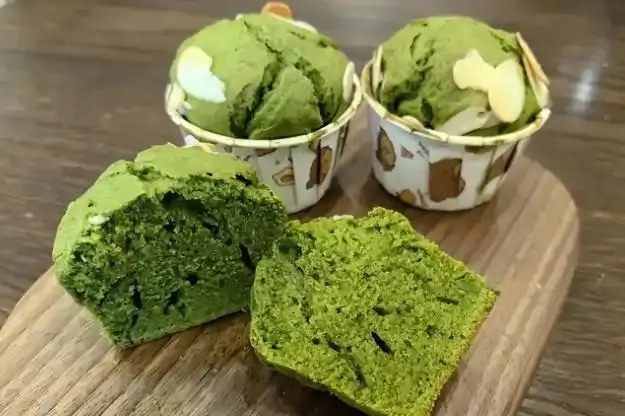
If you’re a bakery or dessert brand — you need culinary grade. It holds color through heat, disperses evenly in batter, and costs less per gram.
food manufacturer — you need culinary or industrial grade, matched to your production spec.
supplement brand — you need extract or nutraceutical grade, standardized for active content.
premium retailer — you need ceremonial grade in retail-ready packaging.
bubble tea shop — you need beverage grade, milled for cold dispersion and color stability in milk tea.
Each application puts different demands on the powder. Match the grade to the job, and the rest falls into place.
Can You Use Ceremonial for Baking?
Yes, technically. But you’ll pay three to five times more per gram for flavor and color that disappear in the oven.
Ceremonial matcha’s subtlety is its selling point. In a latte, it shines. In a cookie, it doesn’t. The sugar and heat overwhelm the delicate umami, and you end up with an expensive cookie that tastes like a cheaper one.
If you’re baking, use culinary grade. Save the ceremonial matcha for drinking.
Can You Drink Culinary Grade?
Yes, and many people do. But the experience is different.
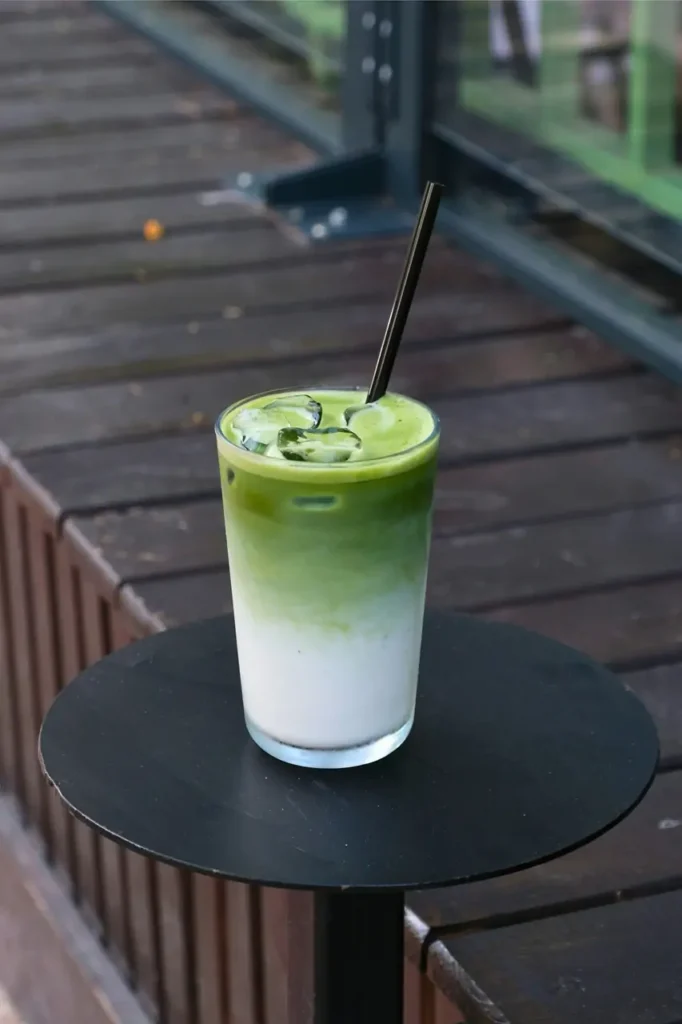
Culinary matcha tastes bolder and more bitter than ceremonial. In a plain bowl of water, that difference is obvious. In a latte with milk and sweetener, it’s less noticeable — which is why some cafés use culinary grade for blended drinks.
If you’re serving matcha straight, use ceremonial. If you’re blending it into milk, sugar, or ice, culinary grade works fine and costs less.
What About Extract and Nutraceutical Grades?
Ceremonial and culinary are the two main food grades, but they’re not the only options.
Matcha extract concentrates the active compounds — catechins, EGCG, and L-theanine — into a smaller dose. It’s the right choice for capsules, tablets, and functional foods where you need a standardized potency.
Nutraceutical grade covers blends and custom formulas — matcha + L-theanine, matcha + collagen, matcha + mushroom. These are built for supplement brands and functional food companies.
Beverage grade sits between culinary and ceremonial. It’s milled for fast dissolution and color stability in cold liquids, which makes it ideal for iced lattes, bubble tea, and RTD drinks.
Each grade serves a different buyer. If you’re not sure which one fits your product, ask us. We produce all of them.
How to Evaluate Quality Before You Buy
Grade labels tell you what a matcha is designed for. They don’t tell you whether a specific supplier’s matcha is good.
Here’s what to check before you commit:
- Color — vivid jade green is a good sign; dull olive is not
- Aroma — fresh, sweet, grassy; not stale or hay-like
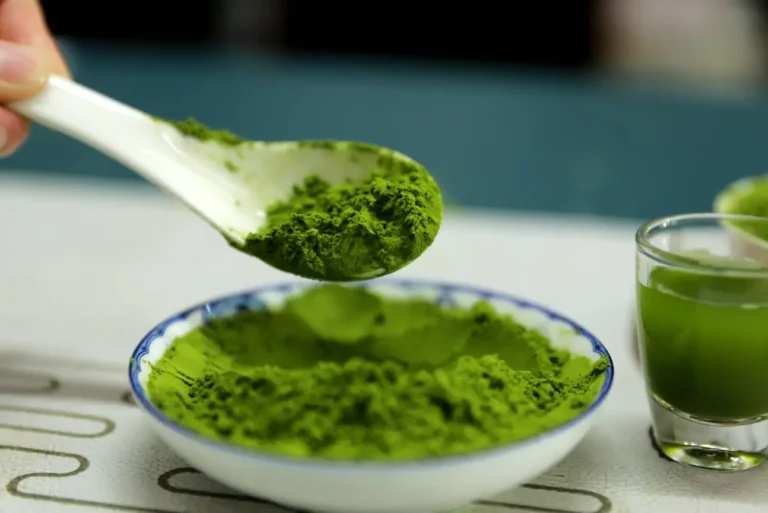
- Texture — fine and silky, not gritty or clumpy
- Solubility — disperses evenly in water or milk without clumping
- Flavor — umami-forward for ceremonial; balanced for culinary
- COA — every batch should ship with a Certificate of Analysis
- Certifications — USDA Organic, EU Organic, ISO 22000, HACCP
Ask for a sample before you commit to a container. A good supplier will send one.
What to Look for in a Supplier
The grade is only half the decision. The other half is who you buy it from.
A factory-direct supplier gives you better pricing, tighter specs, and more control over customization. A trader adds a markup and less flexibility. Both can work, but you should know which one you’re dealing with.
Ask these questions before you commit:
- Are you a factory or a trader?
- Can you provide a COA for every batch?
- What certifications do you hold?
- What’s your MOQ?
- Can you match my target color and flavor?
- Do you offer private label?
A supplier who answers these clearly is worth a second conversation. One who deflects is not.
Frequently Asked Questions
Is ceremonial matcha better than culinary matcha?
Not better — different. Ceremonial is milled for drinking; culinary is milled for cooking and baking. Each serves a different purpose.
Can I use culinary matcha for drinking?
Yes. It tastes bolder and more bitter than ceremonial, so it works better in lattes and blended drinks than in a plain bowl.
Can I use ceremonial matcha for baking?
Yes, but it’s not cost-effective. The subtle flavor and color disappear in the oven. Use culinary grade instead.
What’s the price difference between ceremonial and culinary?
Ceremonial typically costs three to five times more per gram. The gap reflects the harvest, the shading, and the stone-grinding process.
Which grade should I use for a matcha latte?
Beverage grade is ideal. It dissolves smoothly in milk and holds color in hot and iced drinks. If you can’t source beverage grade, culinary grade works as a substitute.
Which grade should I use for capsules?
Matcha extract, not whole powder. Extract standardizes the active content so every capsule performs the same.
Do you supply both grades?
Yes. We produce ceremonial, culinary, beverage, extract, and custom grades. You can order them separately or in combination.
Can I get a sample before ordering?
Yes. We ship free samples; you cover the courier cost. Samples arrive in 3–7 days.
The Bottom Line
Ceremonial and culinary matcha aren’t quality tiers. They’re two products milled for two different jobs.
Ceremonial grade is for drinking — first-harvest, shade-grown, stone-ground. Culinary grade is for cooking and baking — later flushes, milled for dispersion and color stability.
Pick the grade that fits your application, not the one that sounds more premium. Then pick a supplier who can prove the spec and hold it, batch after batch.
If you’re not sure which grade fits your product, send us a note. We’ll help you choose.