
Where to Buy Bulk Matcha: A B2B Buyer‘s Sourcing Map
If you are sourcing matcha at volume—whether for a café chain, a food manufacturing line, or a private-label program—the question of where to buy bulk matcha is really a question about supply chain structure. The channel you choose determines your traceability, your compliance risk, and your ability to scale consistently.
This guide breaks down the main sourcing channels available to B2B buyers in the US and EU, the trade-offs of each, and the verification steps that separate a reliable bulk matcha supply from a costly mistake.
The Main Channels for Buying Bulk Matcha
B2B buyers typically encounter three types of suppliers. Each has a different cost structure and risk profile.
Trading Companies and Distributors
These are the easiest to find and often the fastest to respond. They aggregate matcha from multiple producers and resell under their own brand or as pass-through supply. The advantage is flexibility: smaller MOQs, local warehousing, and quick shipping.
The trade-off is traceability. A distributor‘s quality depends on whichever factory they sourced from that quarter. If your formulation requires batch-to-batch consistency, a trading company may struggle to guarantee it over repeat orders.
Vertically Integrated Producers
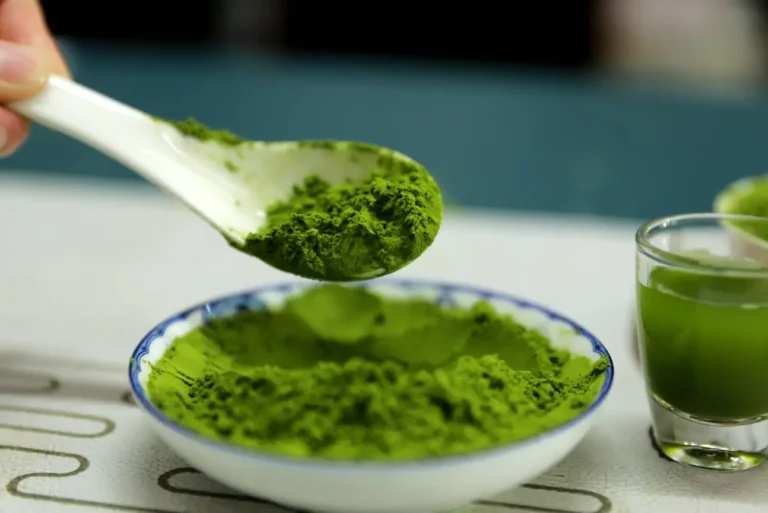
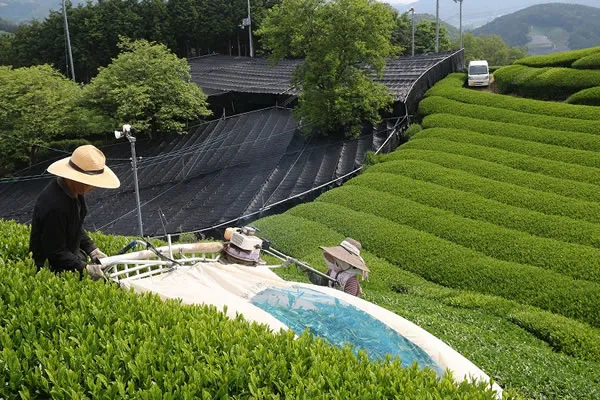
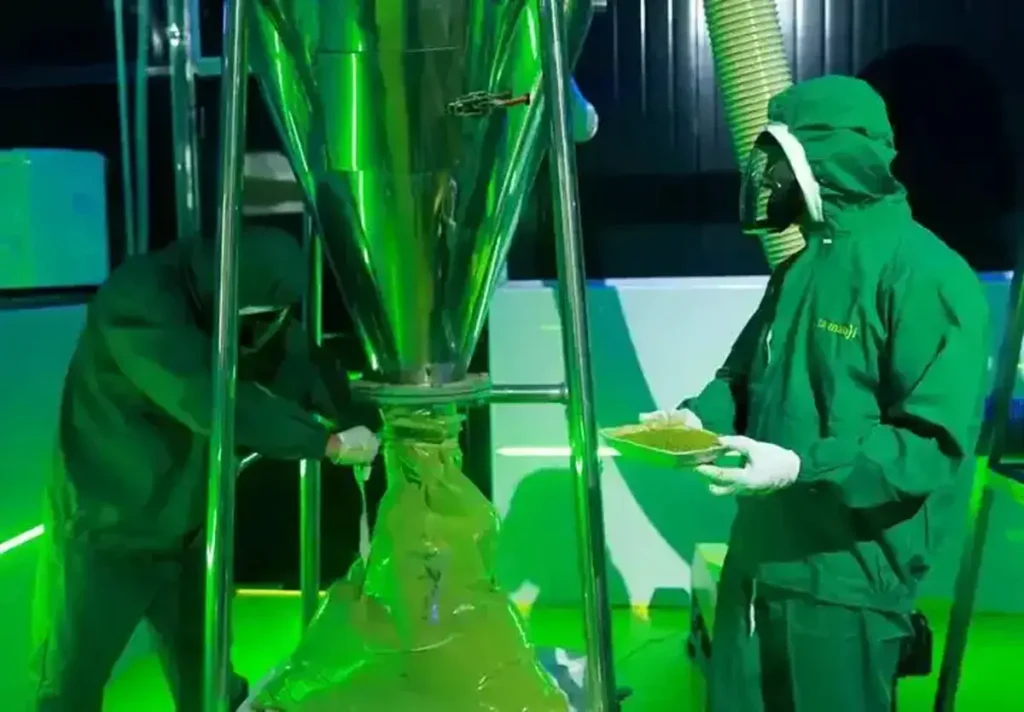
A producer that owns tea fields, operates its own tencha processing, and mills matcha in-house offers a different level of control. When you buy bulk matcha directly from this type of supplier, you can trace a finished lot back to a harvest date and field block.
For buyers planning repeat orders and private-label programs, this channel typically offers the most stable long-term supply. The trade-off is that direct factory relationships often come with higher initial MOQs and longer lead times than local distributors.
Online B2B Marketplaces
Platforms like Alibaba and HKTDC Sourcing list hundreds of matcha suppliers, many with visible pricing and certification claims . They are useful for market research and initial price benchmarking. They are not a substitute for supplier verification. Listing pages rarely show lot-level documentation, and certification claims on marketplace profiles require independent confirmation.
What to Verify Before Committing to a Bulk Matcha Supplier
Regardless of channel, these checks apply.
Certification Documents Matched to Your Market
For US-bound matcha, confirm the supplier’s FDA Food Facility Registration status. As the importer, you also carry Foreign Supplier Verification Program (FSVP) obligations, which require you to document that your supplier‘s food safety practices meet US standards . FDA has issued warning letters to importers who failed to maintain FSVP records, even when the imported food itself was not implicated in a safety incident .
For EU-bound matcha, pesticide MRL compliance is the critical checkpoint. Request lot-specific pesticide residue reports from an accredited laboratory, with results compared against current EU MRLs. Do not accept a generic “EU compliant” statement without the underlying data.
Sample Evaluation from a Production Lot
A bulk matcha sample should come from a specific production lot, not a hand-prepared “best case” sample. Ask for the lot number and request the corresponding Certificate of Analysis (CoA). Evaluate the sample in your actual application—heat exposure for bakery, dairy compatibility for beverages—before committing to a bulk order.
MOQ and Packaging Reality
Bulk matcha MOQs vary widely by supplier type. Distributors may accommodate orders in the 10–50 kg range. Direct factory orders often start higher, particularly for custom milling or private-label packaging. Clarify whether MOQ applies per SKU or per total order, and whether packaging format (foil-lined bags, fiber drums, nitrogen-flushed pouches) is included or billed separately.
Red Flags When Buying Bulk Matcha
- No lot-level traceability: A supplier who cannot link a CoA to a production date and field source is a distributor at best, and an untraceable one at worst.
- Certification screenshots without validity dates: Organic and food safety certificates have expiry dates. Request the current version.
- Price significantly below market: Matcha production is labor- and time-intensive. A price that undercuts credible suppliers by a wide margin usually reflects either lower grade material or compromised documentation.
- Reluctance to share FSVP support documents: US importers need supplier cooperation to meet FSVP obligations. A supplier unfamiliar with FSVP is a compliance risk.
FAQ
Where can I buy bulk matcha in small quantities for testing?
Distributors and some direct producers offer sample quantities in the 1 kg range for evaluation. Expect to pay sample and shipping costs. Always request a production-representative sample with a lot number.
Is it cheaper to buy bulk matcha directly from a Chinese factory?
Direct factory pricing can be lower per kilogram at volume, but total landed cost depends on Incoterms, shipping mode, duties, and your own compliance workload. Compare quotes on a delivered-cost basis, not FOB price alone.
What MOQ should I expect for bulk matcha?
MOQ varies by grade and supplier type. Distributors may start at 1 kg; direct factory orders for standard grades typically begin at 2 kg. Custom milling or private-label packaging raises MOQ.
How do I confirm a supplier’s FDA registration is current?
Ask for the facility‘s FDA Food Facility Registration number and expiration date, and verify it through FDA’s public registration database. Registration does not guarantee compliance, but it is a baseline requirement for US-bound food shipments.
References
- U.S. FDA. Guidance for Industry: Foreign Supplier Verification Programs for Importers of Food for Humans and Animals. https://www.fda.gov/regulatory-information/search-fda-guidance-documents/guidance-industry-foreign-supplier-verification-programs-importers-food-humans-and-animals
- U.S. FDA. FSVP Warning Letter: San Jorge Produce LLC (July 2026). https://www.fda.gov/inspections-compliance-enforcement-and-criminal-investigations/warning-letters/san-jorge-produce-llc-734097-07162026
- U.S. FDA. FSVP Warning Letter: Moda Food LLC (September 2026). https://www.fda.gov/inspections-compliance-enforcement-and-criminal-investigations/warning-letters/moda-food-llc-727800-09092026