Matcha for Coffee Shops: A Menu and Sourcing Guide
Matcha for Coffee Shops: A Menu and Sourcing Guide
Matcha has moved from specialty tea houses to mainstream coffee shop menus. Customers ask for it by name, and they’re willing to pay a premium for it. For a coffee shop, that’s a rare combination — high margin and high demand.
The catch is that matcha behaves differently from coffee. It doesn’t extract, it disperses. It doesn’t brew, it whisks. And the grade you choose affects everything: the color, the flavor, the cost per drink, and how fast your staff can make it.
This guide covers the practical side — which grade to use, what to put on your menu, how much to charge, and how to source it without overpaying.
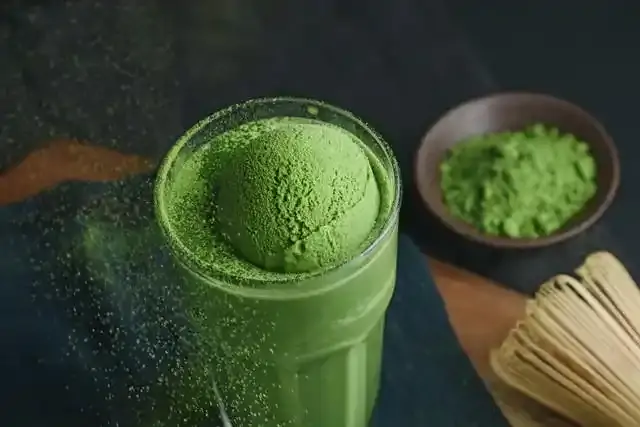
Why Add Matcha to Your Menu
Matcha brings three things to a coffee shop menu: margin, traffic, and differentiation.
On margin, matcha costs more per gram than coffee, but it also sells for more. A matcha latte typically sells for $5–$7, and the matcha itself costs $0.60–$1.20 per drink. That’s a 70–85% gross margin — higher than most espresso drinks.
On traffic, matcha attracts a customer segment that coffee shops often miss. These customers want caffeine, but they want it without the jitters. They also tend to be younger, more health-conscious, and more willing to try new menu items.
On differentiation, matcha sets your shop apart. Every coffee shop sells a latte. Not every coffee shop sells a good matcha latte. If yours is better, customers notice.
Which Grade Should You Use
Three grades work in a coffee shop setting: ceremonial, beverage, and culinary. Each serves a different purpose.
Ceremonial grade is the premium option. It delivers a vivid green color, a sweet umami flavor, and almost no bitterness. Use it for straight matcha service or for a premium matcha latte you want to feature. It costs the most per gram.
Beverage grade is the workhorse. Producers mill it for fast dissolution and color stability in cold and hot liquids. It holds up in iced drinks and blended beverages, and it costs less than ceremonial. For most coffee shops, this is the right choice.
Culinary grade is the budget option. It tastes bolder and more bitter, but milk and sweetener mask that in a latte. It costs the least per gram. Use it for high-volume blended drinks where flavor nuance matters less.
If you’re launching matcha for the first time, start with beverage grade. It’s the best balance of quality, performance, and cost.
5 Matcha Drinks to Add to Your Menu
You don’t need twenty matcha drinks. You need five that cover the main occasions.
1. Hot Matcha Latte
The classic. 2 g of matcha, 2 oz of hot water, 8 oz of steamed milk. Whisk the matcha into a smooth paste first, then add the milk. This is your entry-level drink and the one most customers will order.
2. Iced Matcha Latte
The same build, served over ice. The key is to dissolve the matcha fully in water before adding cold milk — otherwise it clumps. Use beverage grade for the cleanest dispersion.
3. Matcha Frappé
Blended matcha, milk, ice, and sweetener. This is your highest-margin matcha drink because it uses more ice and less matcha per ounce. Culinary grade works well here.
4. Matcha Bubble Tea
Matcha, milk, and tapioca pearls. Popular with younger customers. Beverage grade holds color better in the milk tea base.
5. Matcha Shot
A concentrated 2 oz serving of matcha and water. Fast to make, high margin, and popular with customers who want a quick energy lift without dairy.
Five drinks cover hot, cold, blended, textured, and straight. That’s enough to test demand before you expand.
How Much Matcha Per Drink
The standard ratio is 2 g of matcha per 8 oz of milk. That’s roughly one teaspoon, or one scoop with a standard matcha scoop.
For a 12 oz drink, use 2.5 to 3 g. 16 oz drink, use 3 to 4 g. frappé, you can drop to 2 g because the ice dilutes the flavor.
A 1 kg bag of matcha makes roughly 500 drinks at 2 g per drink. A busy café goes through a bag in 3 to 5 days. A slower café might take 2 to 3 weeks.
If you’re calculating cost per drink, divide the price per kilogram by 500. At $40/kg, that’s $0.08 per gram, or $0.16 per drink. At $80/kg, it’s $0.32 per drink. Both leave plenty of margin at a $5–$7 retail price.
What to Look for in a Beverage Grade Matcha
Not all beverage grade matcha performs the same. Here’s what to check before you commit:
Dissolution speed — the matcha should disperse in cold and hot liquid within seconds. If it clumps, your staff will fight it during rush hour.
Color stability — the matcha should hold its green in milk and over ice. Some matcha fades to a dull olive within minutes. Ask for a color stability test.
Particle size — finer particles dissolve faster and feel smoother on the tongue. Look for 1000 mesh or finer for beverage applications.
Flavor balance — the matcha should taste good in milk, not just in water. Some ceremonial grades are too delicate for a latte; some culinary grades are too bitter.
Consistency — the matcha should perform the same in every batch. Ask for a COA with each shipment and compare color readings across batches.
Certifications — USDA Organic, EU Organic, ISO 22000, and HACCP are the baseline. If your customers care about organic, ask for the certificate.
Sourcing and Pricing
Matcha pricing varies widely. Here’s what to expect at wholesale:
| Grade | Price Range (per kg) | Best For |
|---|---|---|
| Culinary | $20–$40 | Frappés, blended drinks |
| Beverage | $40–$80 | Lattes, iced drinks, bubble tea |
| Ceremonial | $80–$200+ | Straight service, premium lattes |
These are wholesale prices for 10 kg or more. Retail prices run 2–3x higher.
When you source, ask for:
- MOQ — 10 kg per SKU is reasonable for a café
- Lead time — 15–25 days standard, plus shipping
- Packaging — 1 kg bags for daily use; 10 kg cartons for storage
- Samples — free samples so you can test before committing
- COA — provided with every batch
- Private label — if you want your own branded matcha
A factory-direct supplier gives you better pricing than a distributor. If you’re buying 10 kg or more per month, it’s worth sourcing directly.
Private Label for Cafés
Once matcha is a steady seller, consider private label. A custom-branded matcha tin or pouch does three things:
It reinforces your brand every time a customer sees it. It lets you control the quality and the spec. And it gives you a retail product to sell alongside the drinks.
Private label MOQs start at 10 kg for pouches and 500 units for tins. Lead time is 15–25 days after artwork approval. You can choose the grade, the packaging, and the label design.
For cafés with multiple locations, private label also standardizes the matcha across every store. Same bag, same scoop, same drink.
Staff Training and Workflow
Matcha is easy to make, but it’s easy to make badly. A few training points will keep quality consistent:
Sift before whisking. Matcha clumps. Sifting breaks up the clumps and gives you a smoother drink.
Use the right water temperature. 175°F (80°C) is ideal. Boiling water makes matcha bitter.
Whisk, don’t stir. A bamboo whisk (chasen) or an electric frother creates a smooth foam. A spoon leaves clumps.
Measure consistently. Use a scoop, not a guess. Inconsistent dosing is the most common cause of inconsistent matcha.
Clean the whisk after every use. Dried matcha is hard to remove and affects the next drink.
A one-page prep card at the bar keeps everyone on the same page.
Frequently Asked Questions
What grade of matcha should a coffee shop use?
Beverage grade is the best choice for most cafés. It dissolves fast, holds color in milk, and costs less than ceremonial. Use culinary grade for blended drinks and ceremonial grade for premium menu items.
How much does matcha cost per drink?
At $40–$80 per kilogram, matcha costs $0.16–$0.32 per 8 oz drink. That leaves plenty of margin at a $5–$7 retail price.
How many drinks does a 1 kg bag make?
About 500 drinks at 2 g per drink. A busy café goes through a bag in 3–5 days.
Can I use ceremonial matcha for lattes?
Yes, but it’s expensive. Ceremonial matcha shines in straight service. For lattes, beverage grade delivers similar results at a lower cost.
How do I keep matcha from clumping?
Sift it before whisking, use water at 175°F (80°C), and whisk rather than stir. Beverage grade matcha also dissolves more easily than coarser grades.
Do I need a special whisk?
A bamboo whisk (chasen) works best, but an electric frother is faster for high-volume service. Both produce a smooth drink.
Should I offer organic matcha?
If your customers ask for it, yes. Organic matcha costs more, but it also supports a higher retail price. USDA and EU organic certifications are the baseline.
Can I private label matcha for my café?
Yes. Private label MOQs start at 10 kg for pouches and 500 units for tins. Lead time is 15–25 days after artwork approval.
How should I store matcha?
Cool, dark, and airtight. Once opened, use within 2–3 months for peak flavor. A 1 kg bag should last a busy café about a week, so storage isn’t a major issue at that volume.
The Bottom Line
Matcha is a high-margin, high-demand addition to any coffee shop menu. The key is choosing the right grade, building a focused menu, and sourcing from a supplier who can hold the spec.
Start with beverage grade. Add five drinks. Train your staff on the basics. Then scale from there.
If you’d like help choosing a grade or sourcing matcha for your café, send us a note. We’ll reply within 24 hours.