
Where Can I Get the Best Matcha? A B2B Buyer‘s Definition Guide
“Best” is the most subjective word in any sourcing conversation. For a café owner, the best matcha might be one that holds color in an iced latte. For bakery manufacturer, it might be one that survives oven heat without turning brown. supplement brand, it might be one with a documented L-theanine profile.
This guide is written for B2B buyers who need to move past marketing language and define “best” in operational terms—then find a supplier who can meet that definition consistently.
The “Best Matcha” Depends on Your Application
Before comparing suppliers, define what performance looks like in your product.
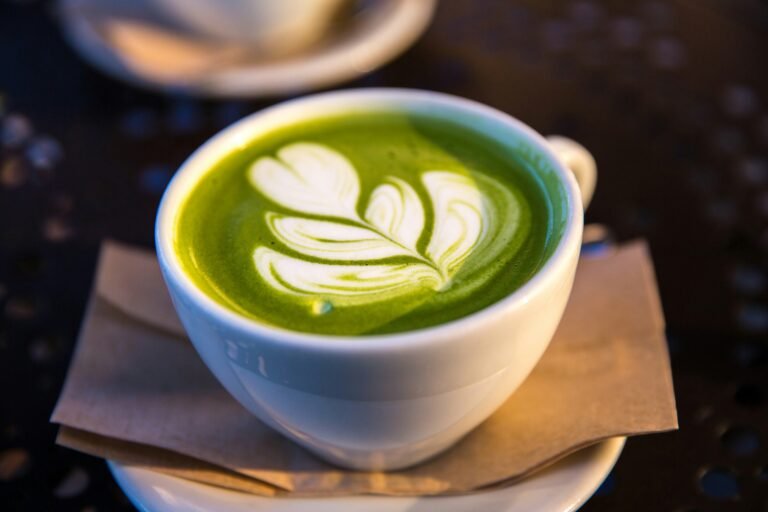
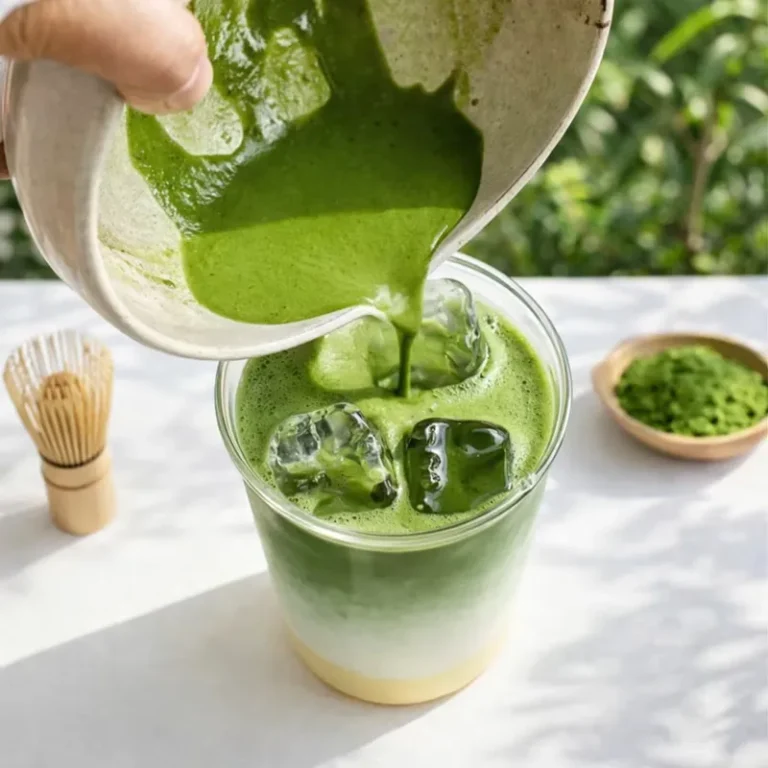
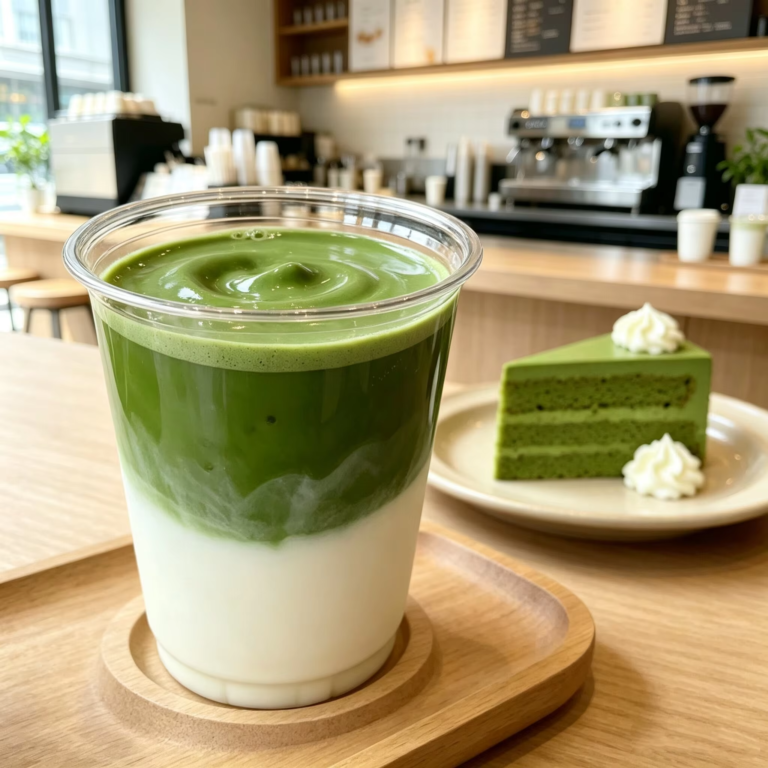
For beverage applications: Color stability in dairy and ice, smooth dispersion without clumping, and a flavor profile that balances umami with restrained bitterness. Ceremonial-grade material is often used for premium menus, but culinary grades can perform well in sweetened or milk-based drinks at lower cost.
For bakery and confectionery: Heat stability is critical. Matcha that looks vibrant raw may dull significantly after baking. Request samples and test in your actual formulation—muffins, cookies, or ice cream base—before committing.
For supplements and functional foods: L-theanine content and consistency matter more than color. Ask for lot-level analysis if theanine is a claimed attribute.
There is no universal “best.” There is only best-fit for your specification.
What Separates High-Quality Matcha from Commodity Powder
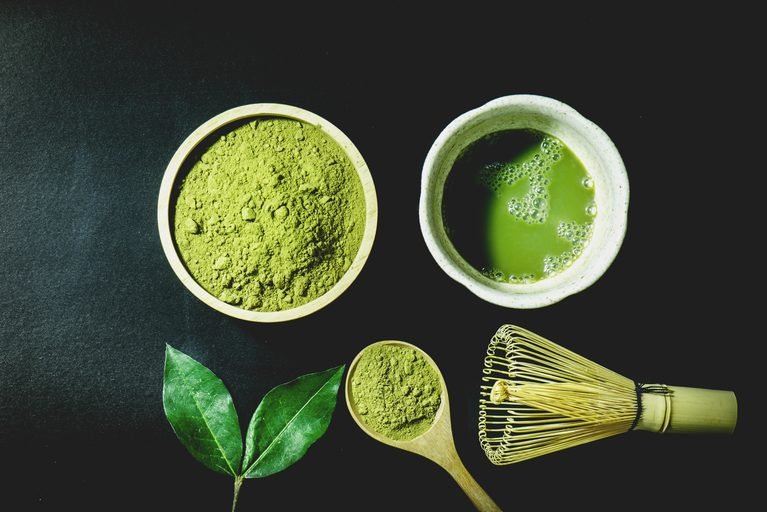
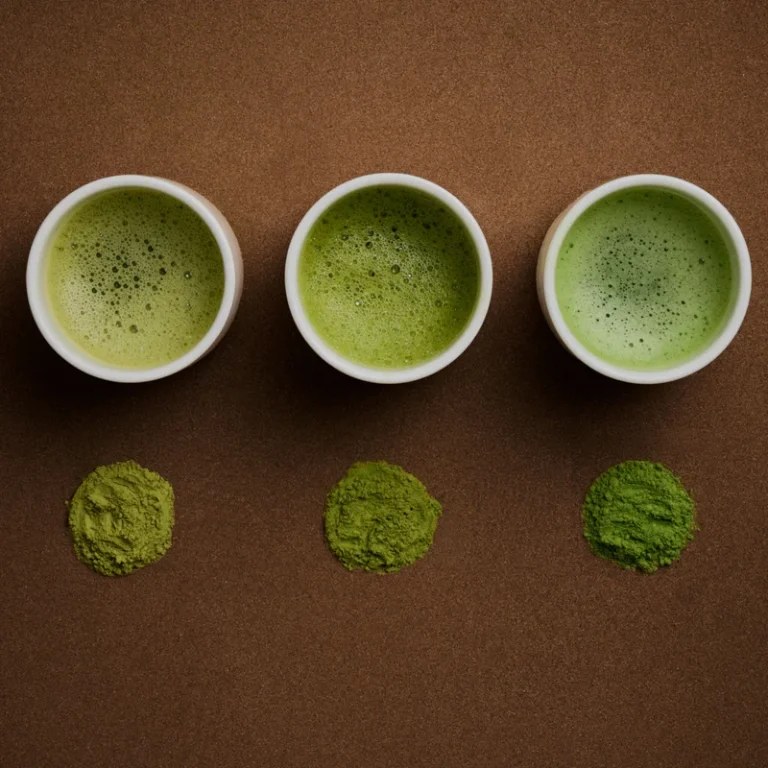
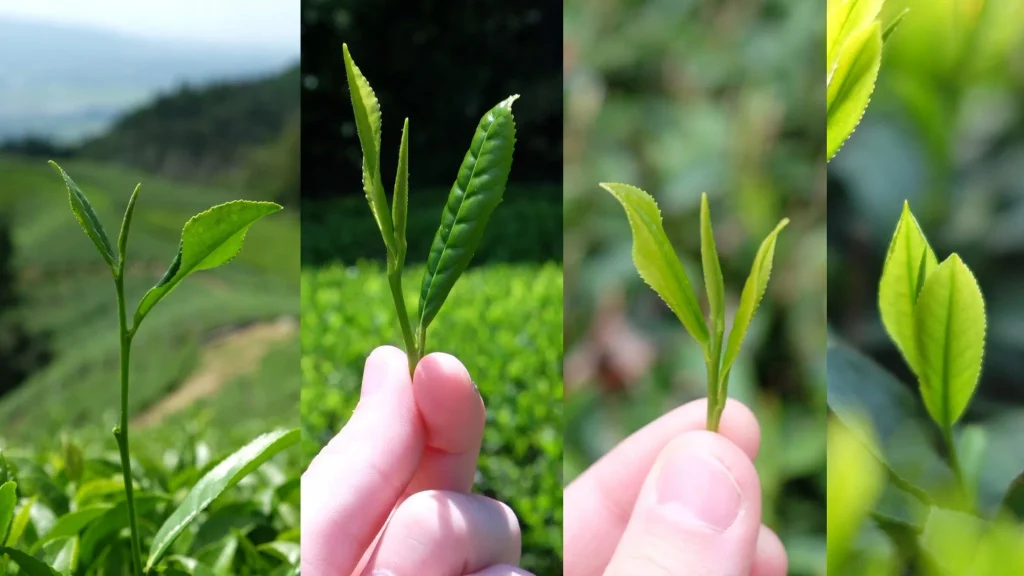
Shade cultivation. Tencha-grade matcha requires shading before harvest to develop chlorophyll and L-theanine. Ask how many days before harvest shading begins, and whether the supplier controls this internally.
Milling method. Stone mills produce a characteristic particle shape; jet mills offer higher throughput and adjustable particle size. Neither is inherently superior, but a producer should be able to explain their choice and provide particle size data.
Lot-level documentation. A Certificate of Analysis linked to a specific production date—not a generic specification sheet—is the baseline for quality control.
Traceability. Can the supplier link finished powder to harvest date and field source? If not, you are buying a commodity.
Why Chinese Matcha from Guizhou and Zhejiang Deserves Consideration
China is now the world‘s largest matcha producer. In 2025, Chinese output exceeded 12,000 metric tons, representing nearly 70% of global supply . Zhejiang and Guizhou are the two core production regions.
Zhejiang is the largest producing province, with 2025 output of 8,851 tons. The Hangzhou Jingshan area is recognized as a historic matcha origin, and the province exported 1,241.97 tons in Q1 2026 alone—a 7.3-fold year-on-year increase .
Guizhou has positioned itself as a high-quality export base. Tongren is known as “China‘s Matcha Capital,” with 2025 production and sales of 2,500 tons and exports to 54 countries. The region emphasizes EU-standard cultivation and processing for international markets .
For B2B buyers, this scale translates into competitive pricing, reliable lead times, and—critically—export-oriented documentation systems built for US and EU compliance. A vertically integrated producer with owned gardens in these regions can provide lot-level traceability that most trading companies cannot match.
How to Verify a “Best Matcha” Claim
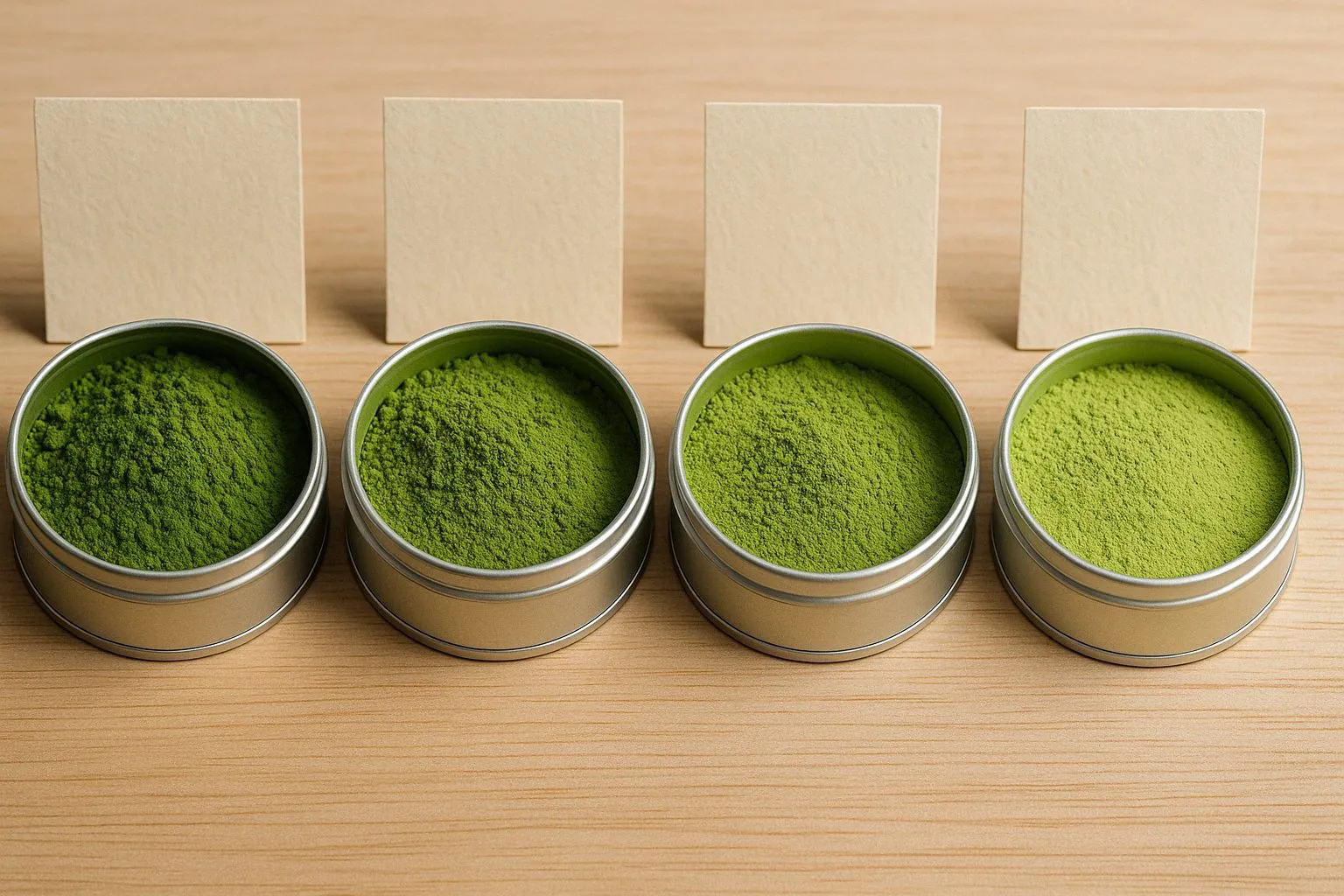
Request a production-representative sample with a lot number. Evaluate it in your actual application. A sample that performs well whisked in water may fail in dairy or under heat.
Ask for a lot-specific CoA. Moisture, microbial counts, heavy metals, pesticide panel. The document should link to a production date.
Confirm destination-market compliance. For US imports, FDA facility registration and FSVP support. For EU imports, pesticide residue data against current MRLs.
Ask about traceability. The supplier should be able to explain where the raw material came from and when it was processed.
FAQ
Where can I get the best matcha for a café?
The “best” matcha for a café balances color performance in milk-based drinks with a flavor profile your customers will reorder. Request samples from both ceremonial and latte-grade specifications, test in your actual beverage recipes, and compare lot-to-lot consistency before choosing.
Is the most expensive matcha always the best?
No. Price reflects grade, harvest timing, milling method, and supply chain margin. A high-priced matcha from a distributor may come from the same factory as a lower-priced direct order. Evaluate documentation and application performance, not price alone.
Can Chinese matcha be considered “best quality”?
Quality depends on cultivation, processing, and documentation. Chinese producers in Guizhou and Zhejiang use shade-growing, tencha processing, and stone or jet milling, and many hold USDA Organic, EU Organic, and food safety certifications. Evaluate suppliers on lot-level documentation and application performance rather than origin assumptions.
References
- U.S. FDA. Foreign Supplier Verification Programs (FSVP) for Importers of Food. https://www.fda.gov/food/food-safety-modernization-act-fsma/fsma-final-rule-foreign-supplier-verification-programs-fsvp-importers-food-humans-and-animals