Where Can I Buy High Quality Matcha Powder? A Buyer’s Checklist
“High quality” is one of the most overused phrases in matcha marketing. For B2B buyers, it is also one of the least useful, because quality is not a grade label—it is a set of measurable attributes tied to your specific application.
This guide defines what high quality matcha powder means in practical, verifiable terms. It then explains where to source it and how to confirm that what you are buying meets that standard.
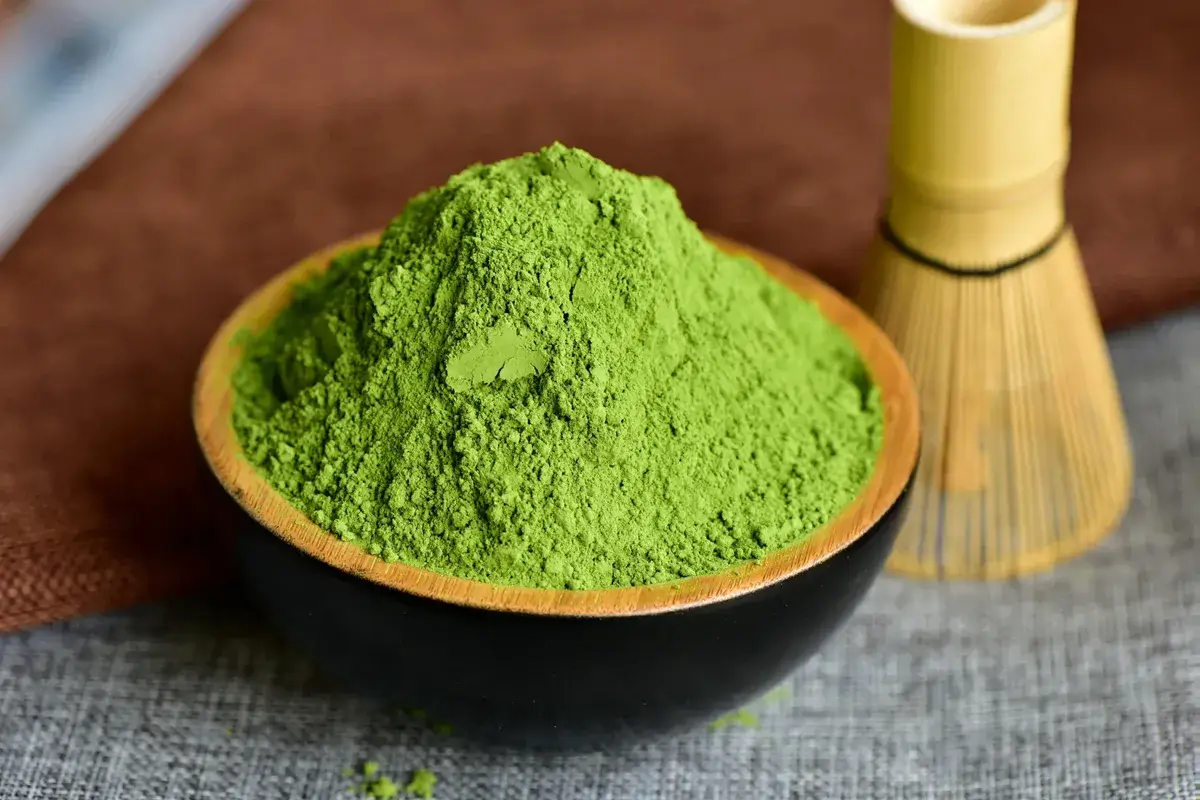
What “High Quality Matcha Powder” Actually Means
Quality in matcha is not a single variable. It is a combination of cultivation inputs, processing decisions, and documentation integrity.
Color and Chlorophyll Development
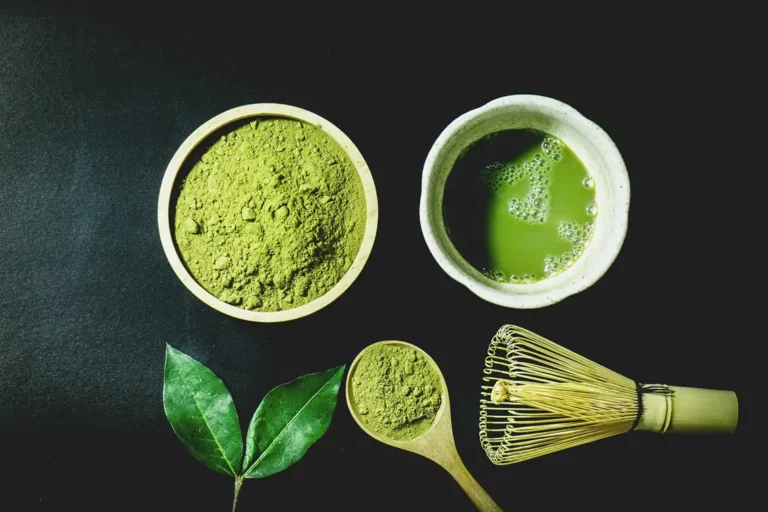
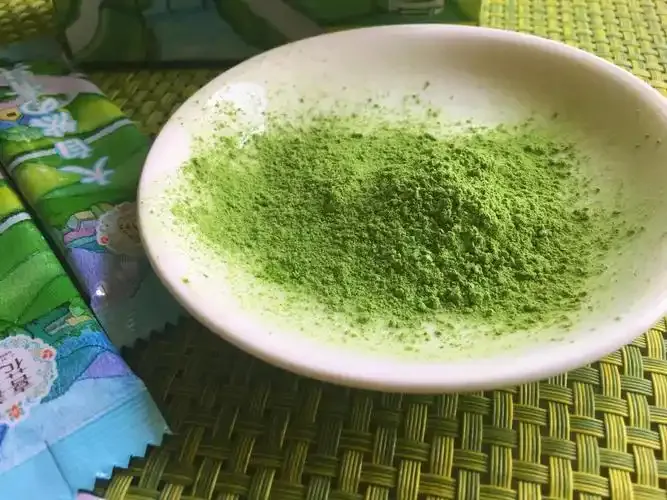
Vibrant green color indicates proper shading before harvest. Shade-grown tencha develops higher chlorophyll and L-theanine content, which drives both color intensity and the characteristic umami profile. A dull or yellowish powder suggests insufficient shading, older material, or heat damage during milling.
For beverage and retail applications where visual presentation matters, color consistency across lots is as important as the color itself.
Particle Size and Texture
Traditional stone milling produces fine, irregular particles with a characteristic mouthfeel. Jet milling can achieve consistent particle size distribution at higher throughput. Neither method is inherently superior—but a high quality supplier should be able to explain which method they use and provide particle size data on request.
Flavor Profile and Absence of Defects
High quality matcha should taste clean and vegetal, with umami and restrained bitterness. Defects to watch for: flat or stale flavor (oxidation), harsh astringency (over-steeping or poor leaf quality), and musty notes (improper storage or microbial issues).
The Quality Indicators a Supplier Should Provide
Claims about quality are easy. Documentation is harder. Ask for these before placing a bulk order.
Lot-Specific Certificate of Analysis
A CoA for the specific lot you are evaluating, not a generic “typical specification” sheet. It should include moisture content, microbial counts, heavy metals screening, and pesticide panel results.
Pesticide Residue Data Referenced to Your Market
For EU-bound matcha, request test results compared against current EU MRLs. The EU Pesticides Database is a public resource for verifying active substance limits . For US-bound shipments, confirm that the supplier supports your FSVP documentation requirements .
Organic Certification (If Claimed)
If you are buying organic matcha, request the supplier‘s current organic certificate and confirm that the certifier is recognized in your destination market. Certification availability can vary by product and batch—confirm before you commit to an organic claim on your own packaging.
Traceability from Finished Powder to Harvest
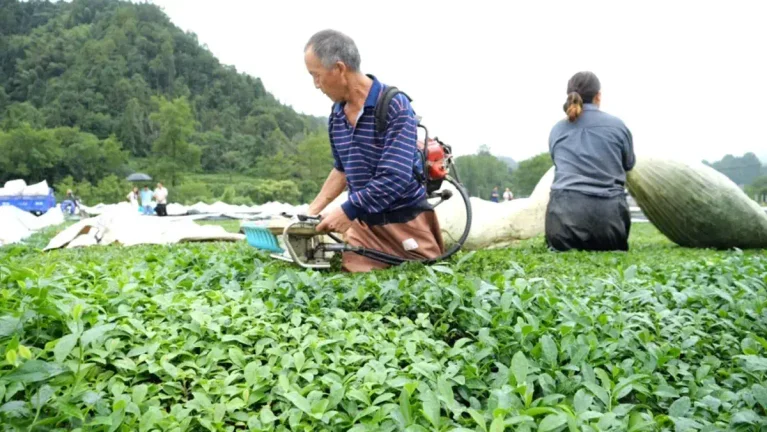
A high quality supplier should be able to link a finished lot to a harvest period and field source. This is the practical difference between buying from a producer and buying from a reseller.
Where to Buy High Quality Matcha Powder
Direct from a Vertically Integrated Producer
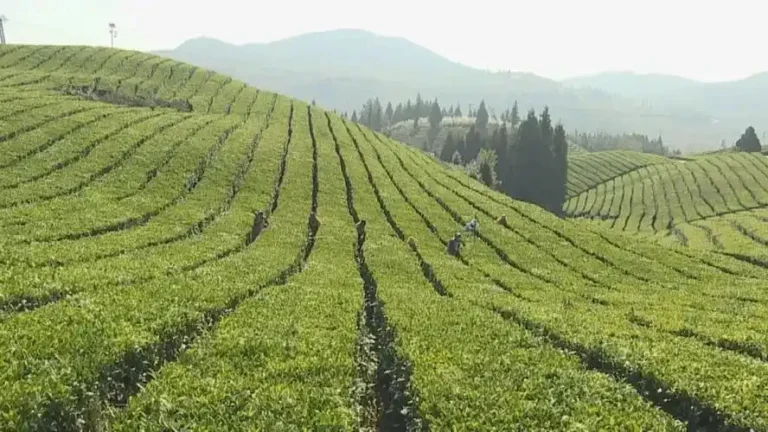
For buyers who need documented consistency and traceability over repeat orders, sourcing directly from a producer with owned tea fields and in-house milling is the most reliable channel. These suppliers can typically provide lot-level documentation, adjust particle size for specific applications, and support private-label development.
The trade-off is higher initial MOQs and longer lead times than local distributors.
Specialty Distributors with Verified Supply Chains
Some distributors specialize in Japanese or Chinese matcha and maintain direct relationships with specific factories. They can offer smaller order quantities and faster delivery. Ask how they verify the factories they source from, and whether they can obtain lot-specific CoAs from the producer on request.
Marketplace Platforms (With Caution)
B2B marketplaces list matcha from hundreds of suppliers, often with visible pricing . They are useful for benchmarking and initial contact. They are not a verification layer. A marketplace listing does not confirm that the product meets your market’s compliance requirements or that the supplier can support your documentation needs.
Questions to Ask Before You Buy
Can you send a production-representative sample with the lot number?
This separates suppliers who can trace their product from those who cannot.
Which certifications apply to the grade I am evaluating, and what are the validity dates?
Certifications are product- and batch-specific. A generic certificate screenshot is not sufficient.
Can you support FSVP documentation for US imports?
If the supplier does not understand FSVP, you will carry the compliance burden alone .
What is the lead time for repeat orders of the same specification?
First-order pricing and lead time can differ from repeat supply. Ask about both.
How do you handle quality discrepancies after delivery?
A supplier with in-house production can investigate and correct issues at the source. A trader has limited recourse.
FAQ
What grade is considered high quality matcha?
Grade labels (ceremonial, culinary, latte) are not standardized across the industry. For B2B buyers, the more useful approach is to define quality by application: color stability in your finished product, particle size for your dispersion method, and flavor performance in your formulation.
How can I tell if matcha powder is high quality before buying in bulk?
Request a production-representative sample with a lot number and CoA. Evaluate color, aroma, texture, and flavor in your actual application. A sample that performs well in water but fails in dairy or under heat is not high quality for your use case.
Is expensive matcha always higher quality?
Not necessarily. Price reflects grade, harvest timing, milling method, and supply chain margin. A high-priced matcha from a distributor may come from the same factory as a lower-priced direct order. Evaluate documentation and application performance, not price alone.
Can I buy high quality matcha powder from China?
Yes. China produces matcha from shade-grown tencha using stone and jet milling methods. Quality varies widely by producer. Buyers should verify cultivation practices, milling method, and lot-level documentation rather than relying on country-of-origin assumptions.
References
- U.S. FDA. Guidance for Industry: Foreign Supplier Verification Programs for Importers of Food for Humans and Animals. https://www.fda.gov/regulatory-information/search-fda-guidance-documents/guidance-industry-foreign-supplier-verification-programs-importers-food-humans-and-animals
- FAO. EU Pesticides Database. https://agritechobservatory.review.fao.org/en/eu-pesticides-database
- FAO. Rapid Alert System for Food and Feed (RASFF). https://agritechobservatory.review.fao.org/en/rapid-alert-system-for-food-and-feed