
Where to Buy Matcha in Bulk: Channels, Costs, and Compliance
Where to Buy Matcha in Bulk
Buying matcha in bulk is a supply chain decision, not a shopping decision. The channel you choose determines your traceability, your compliance risk, your per-kilogram cost, and your ability to scale consistently as your business grows.
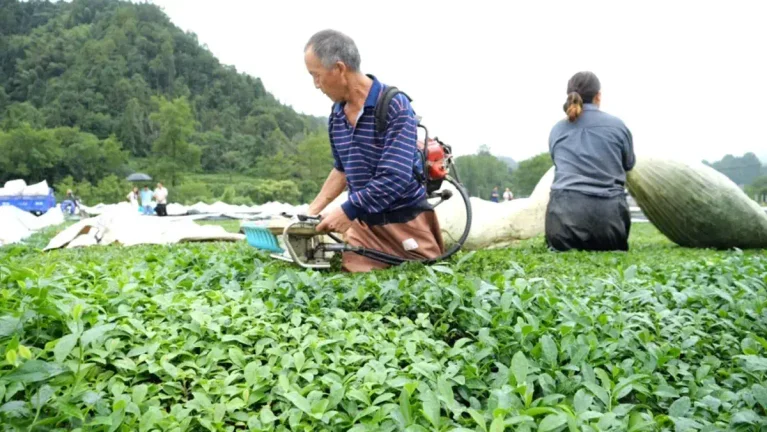
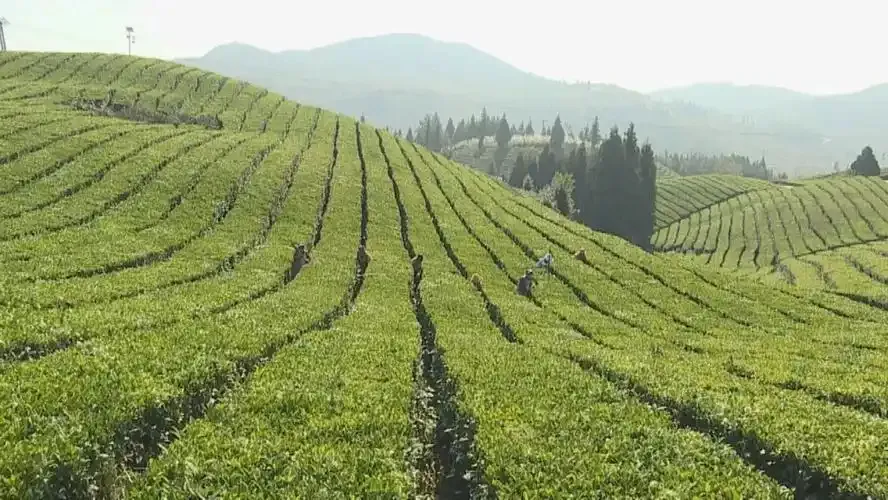
This guide compares the main bulk matcha channels available to B2B buyers in the US and EU, with practical guidance on verification and cost evaluation. It is written from the perspective of a Chinese vertically integrated producer—owned tea fields in Guizhou and Zhejiang, owned processing and milling facility.
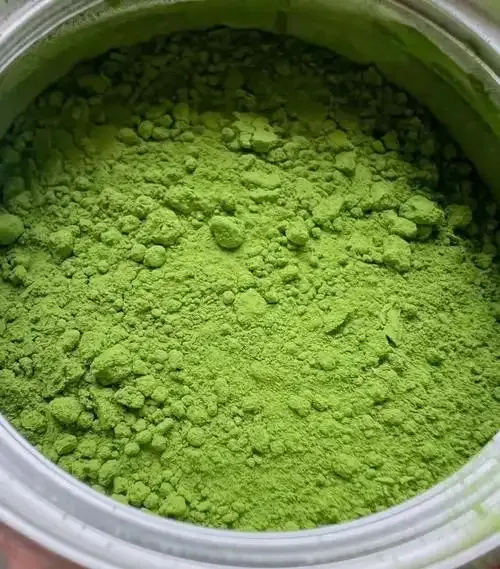
Channel Comparison for Bulk Matcha
Direct from a Vertically Integrated Producer
Best for: Buyers planning repeat orders, private-label programs, or branded products that require documented consistency.
A producer with owned tea gardens and in-house milling can provide lot-level traceability from finished powder back to harvest date and field block. They can adjust particle size for specific applications, support custom packaging, and provide the documentation that US and EU compliance requires.
Cost structure: Lowest per-kilogram price at volume, but higher MOQs and longer lead times than distributors. Shipping and customs costs are your responsibility under FOB or CIF terms.
Documentation: Lot-specific CoA, pesticide panel against destination MRLs, FDA registration (US), food safety certification (BRC/FSSC 22000), organic certificates if applicable.
Through a Distributor or Importer
Best for: Buyers with smaller volumes, urgent timelines, or limited compliance bandwidth.
Distributors maintain local inventory and can ship in days rather than weeks. They handle import logistics and customs, simplifying your procurement process.
Cost structure: Higher per-kilogram price due to margin layers and warehousing costs, but lower total workload and smaller order quantities.
Documentation: Varies by distributor. Ask whether they can obtain producer-level CoA and traceability records for the specific lot you receive. A distributor who cannot answer this is a reseller, not a supply partner.
Through a B2B Marketplace
Best for: Initial supplier discovery and price benchmarking.
Marketplaces list suppliers with visible pricing and certification claims. Use them to identify potential partners, then verify independently. A listing is not a compliance verification.
The Cost Equation: Price vs. Landed Cost
Bulk matcha pricing is usually quoted FOB (Free On Board) or CIF (Cost, Insurance, Freight). The number that matters is landed cost: product price + shipping + insurance + duties + your compliance workload.
Duties for matcha: Pure matcha powder (100% ground green tea) is typically classified under HTS 0902.10 for US imports and is generally duty-free . Blended matcha products may be classified differently with applicable duties. EU tariffs vary by product classification; confirm with your customs broker.
Hidden costs: Testing (if you run independent verification), FSVP documentation workload (US), organic import certificates (if applicable), and inventory carrying costs for longer lead times.
A direct factory quote that is 20% lower FOB may not be 20% cheaper landed if it requires additional testing, longer inventory holding, or compliance support you need to source externally.
What Chinese Producers from Guizhou and Zhejiang Offer
China is the world‘s largest matcha producer, with 2025 output exceeding 12,000 tons—nearly 70% of global supply . Export-oriented producers in Guizhou and Zhejiang have built the documentation systems required for US and EU markets.
Guizhou: The provincial government has launched a dedicated matcha development plan to build a “global high-quality matcha raw material base, processing center, and export zone” . Tongren matcha exports reached 54 countries in 2025.
Zhejiang: Matcha is one of four core export categories, alongside premium tea and new beverage ingredients. Q1 2026 exports reached 1,241 tons, a 7.3-fold increase year-on-year .
For buyers, this scale supports competitive pricing, reliable lead times, and the compliance infrastructure needed for Western markets.
Verification Checklist for Bulk Matcha Suppliers
Lot-specific CoA with pesticide panel, heavy metals, moisture, and microbial results
Destination-market pesticide compliance: EU MRL report for EU-bound shipments; FSVP support for US imports
FDA Food Facility Registration confirmation (US-bound)
Organic certificate and NOPIC (if organic claim is needed for US)
Food safety certification: BRC, FSSC 22000, or equivalent
Traceability records: finished lot → production date → field source
Sample from a production lot, evaluated in your actual application
FAQ
Where can I buy matcha in bulk for a café or small food business?
Distributors offer smaller bulk quantities (typically 1–25 kg) with faster shipping. For ongoing supply at better pricing, consider a direct producer relationship once your volume justifies the higher MOQ.
Is it cheaper to buy matcha in bulk from China or through a local distributor?
Direct from a Chinese producer typically offers lower per-kilogram pricing at volume, but landed cost depends on shipping, duties, and your compliance workload. Distributors charge more per kilogram but reduce your operational burden. Compare landed cost, not unit price.
What is the MOQ for bulk matcha from a Chinese producer?
Standard grades may start in the 5 kg range. Custom milling or private-label packaging raises the minimum. Confirm whether MOQ applies per SKU or per order.
Can I get private-label bulk matcha from Guizhou or Zhejiang?
Yes. Producers with in-house milling and packaging capability offer private-label services. You will need to confirm specification (grade, particle size, packaging format), provide artwork and label review for your market, and meet the MOQ for a production run.
References
- U.S. FDA. Foreign Supplier Verification Programs (FSVP) for Importers of Food. https://www.fda.gov/food/importing-food-products-united-states/foreign-supplier-verification-programs-fsvp-importers-food-humans-and-animals
- U.S. FDA. FSVP Warning Letter: Vivot LLC (May 2026). https://www.fda.gov/inspections-compliance-enforcement-and-criminal-investigations/warning-letters/vivot-llc-734213-05042026