Where to Buy High Quality Matcha: A Verification-First Guide
“High quality” is the most common phrase in matcha marketing and the least standardized. For B2B buyers, it means nothing without verification. The real question is not where to find matcha labeled “high quality”—it is how to confirm quality before you commit to a bulk order.
This guide defines quality in verifiable terms and explains where to source matcha that meets that standard, with a focus on China‘s vertically integrated producers in Guizhou and Zhejiang.
What High Quality Matcha Actually Means
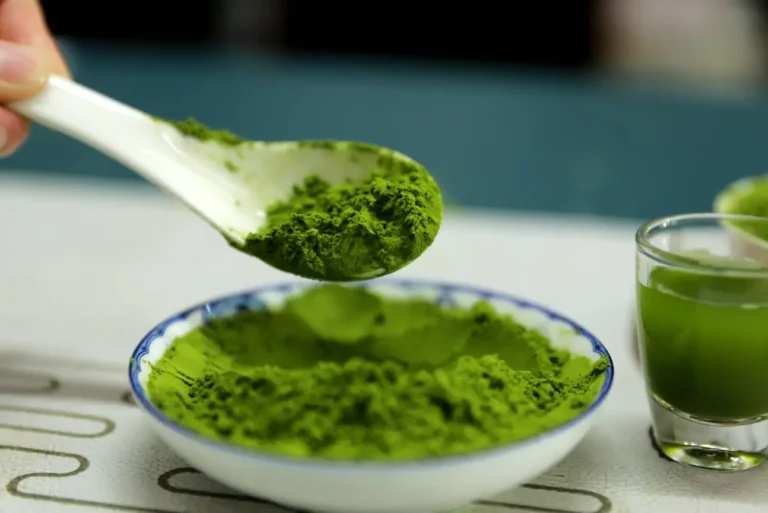
Color and chlorophyll. Vibrant green indicates proper shading before harvest. Dull or yellowish powder suggests insufficient shading, older material, or heat damage during milling.
Particle size and dispersion. Fine, consistent particles disperse smoothly in cold or hot liquids. A producer should be able to provide particle size data and explain their milling method (stone vs. jet).
Flavor profile. Clean, vegetal, umami-forward taste with restrained bitterness. Defects include stale or flat flavor (oxidation) and harsh astringency.
Documentation. This is the dividing line between claimed quality and verified quality. A high-quality supplier provides a lot-specific Certificate of Analysis, not a generic specification sheet.
The Verification Checklist
Lot-specific CoA with moisture, microbial, heavy metals, and pesticide results
Pesticide residue data referenced to destination-market MRLs (EU MRLs for EU-bound; FSVP support for US-bound)
Traceability from finished powder to harvest date and field source
Certification validity for organic or food safety claims (with expiry dates)
Production-representative sample from a specific lot, evaluated in your application
A supplier who cannot provide these is not selling verified high quality. They are selling a commodity with a quality claim attached.
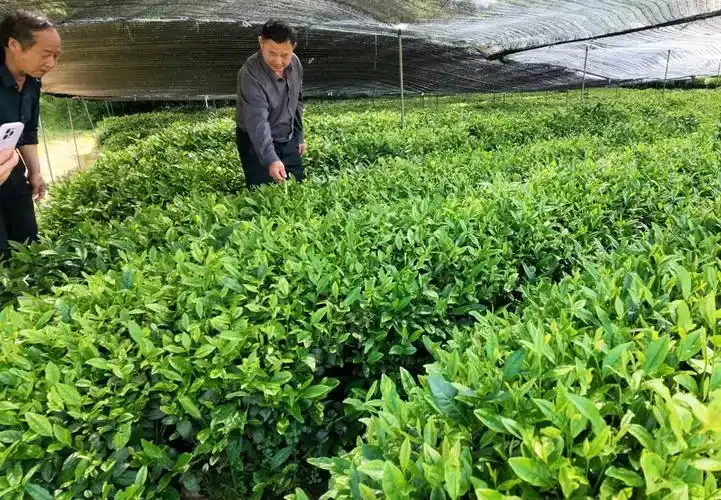
Where to Source Verified High Quality Matcha
Vertically Integrated Chinese Producers
China produces nearly 70% of the world‘s matcha. In 2025, output exceeded 12,000 tons, with Zhejiang and Guizhou as the two core regions .
Zhejiang produced 8,851 tons in 2025. The Hangzhou Jingshan area has a historic matcha heritage, and the province exported 1,241.97 tons in Q1 2026—a 7.3-fold year-on-year increase .
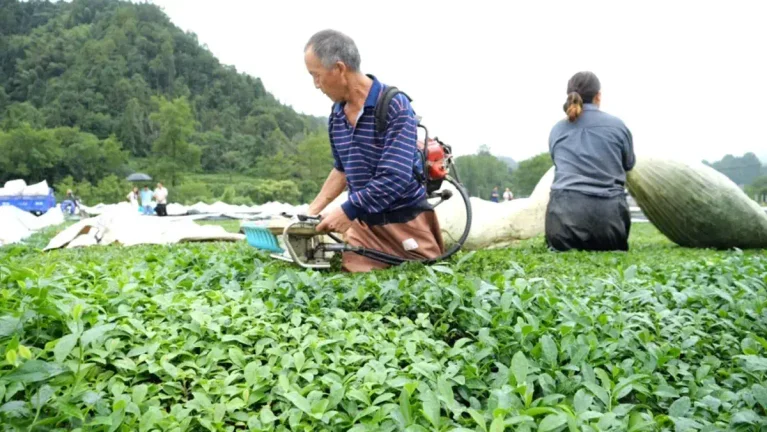
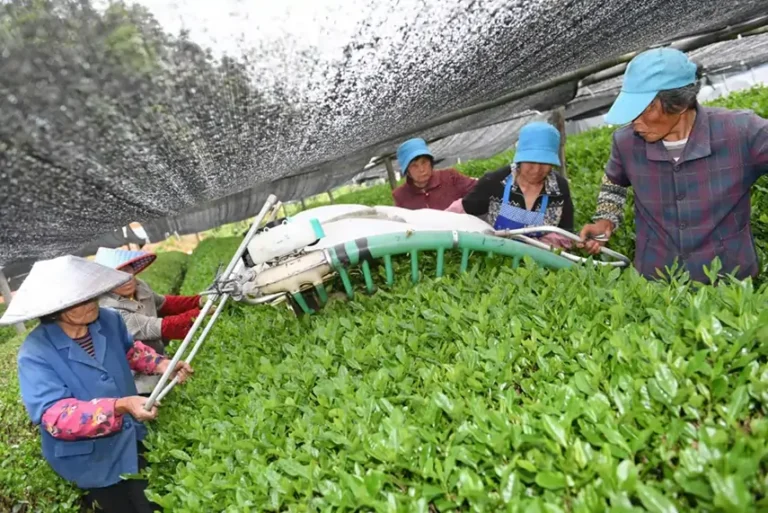
Guizhou Tongren positions itself as a high-quality export base, with 2025 production and sales of 2,500 tons and exports to 54 countries. The region emphasizes EU-standard cultivation and processing for international buyers .
A producer with owned gardens in these regions can provide lot-level traceability, adjust particle size for specific applications, and support US and EU compliance documentation. This is the most direct route to verified high quality at commercial volumes.
Specialty Distributors
Distributors with verified sourcing relationships can offer smaller quantities and faster shipping. Ask whether they can obtain producer-level CoA for the specific lot you receive. A distributor who cannot answer this is a reseller, not a quality partner.
B2B Marketplaces
Useful for initial discovery and price benchmarking. Not a verification layer. Listings show claims, not lot documentation.
Red Flags When Buying High Quality Matcha
- Generic specification sheets instead of lot-specific CoA
- Certification screenshots without validity dates
- No traceability from finished powder to raw material source
- Reluctance to provide pesticide data for destination-market MRLs
- Samples not linked to production lots
FAQ
Where can I buy high quality matcha for business?
Vertically integrated Chinese producers in Guizhou and Zhejiang offer verified quality at commercial volumes, with lot-level documentation and compliance support for US and EU markets. Request a production-representative sample and CoA before committing to a bulk order.
How do I verify matcha quality before buying?
Request a lot-specific CoA with pesticide, heavy metals, and microbial results. Confirm traceability to harvest date. Evaluate a production-representative sample in your actual application. Documentation is the difference between claimed and verified quality.
Is Chinese high quality matcha comparable to Japanese matcha?
Quality depends on cultivation, processing, and documentation. Chinese producers use shade-growing, tencha processing, and stone or jet milling, and many hold USDA Organic, EU Organic, and food safety certifications. Evaluate suppliers on lot-level documentation and application performance rather than origin assumptions.
What certifications indicate high quality matcha?
For US-bound matcha, FDA facility registration and FSVP support. For EU-bound matcha, pesticide testing against EU MRLs. Food safety certification such as BRC or FSSC 22000 and organic certification (if claimed) are additional indicators of process control.
References
- U.S. FDA. Foreign Supplier Verification Programs (FSVP) for Importers of Food. https://www.fda.gov/regulatory-information/search-fda-guidance-documents/guidance-industry-questions-and-answers-regarding-food-facility-registration-seventh-edition