
Where Can I Get a Matcha? A Practical Guide for Buyers
“Where can I get a matcha” is the kind of question that usually comes before the buyer knows what to ask next. Perhaps you are adding matcha to a café menu. if you are formulating a product and need a sample. mybe you are comparing suppliers and do not yet know which channel fits.
This guide answers the question at three levels: where to get matcha for evaluation, where to get it for ongoing supply, and what to check before you commit to either.
Getting Matcha for Evaluation: Samples First
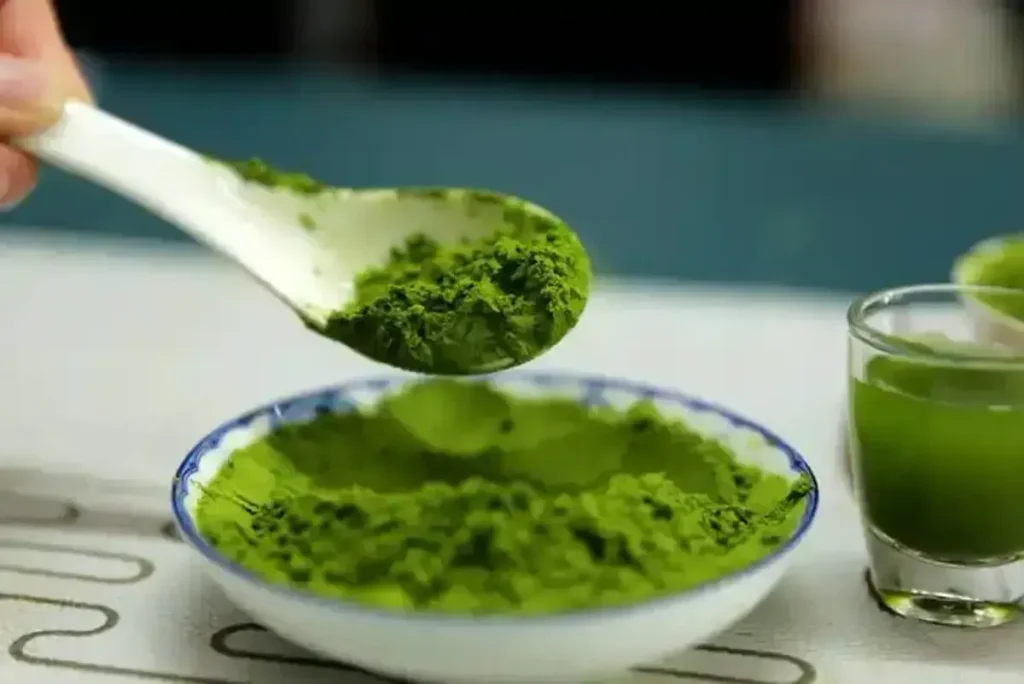
Before choosing a supplier, evaluate the product. Most producers and distributors offer samples, but the quality of the sample process tells you something about the supplier.
What to request: A production-representative sample drawn from a specific lot, with the lot number and a Certificate of Analysis (CoA) if available. A hand-prepared sample that does not correspond to commercial production is not useful for evaluation.
What to test: Evaluate the matcha in your actual application. If you are making lattes, test it with milk and ice. If you are baking, test color retention after heat exposure. A matcha that performs well whisked in water may behave differently in dairy or under thermal stress.
Where to request samples:
- Direct producers: typically provide samples in 5 kg quantities with lot documentation
- Wholesale distributors: may offer smaller sample sizes, but ask for producer-level CoA
- Specialty importers: some maintain sample programs for qualified buyers
Aija Europe, for example, offers free samples through a structured inquiry process that includes application discussion before sample dispatch. This model—sample with context—is more useful than a transactional sample request.
Getting Matcha for Ongoing Supply: Channel Options
Once you have validated a specification, the supply channel decision matters.
Direct from a producer is the most common route for buyers who need consistency and documentation over repeat orders. A producer with owned tea fields and in-house milling can maintain batch-to-batch consistency and support compliance requirements. MOQs are higher, and lead times reflect production scheduling.
Through a distributor works for buyers with smaller volumes or faster turnaround needs. Distributors carry stock and can ship quickly, but their ability to provide lot-level traceability depends on their sourcing relationships. Ask how they verify the factories they work with.
Through a B2B marketplace is a starting point for supplier discovery, not a supply solution. Platforms like HKTDC Sourcing and Knowde list matcha suppliers with certification claims and pricing ranges. Use these listings for initial contact and benchmarking, then verify independently.
What to Ask Before You Commit
Can you provide a CoA for the specific lot I will receive?
This separates suppliers with batch-level quality control from those who can only offer a generic specification sheet.
What certifications apply to this grade, and what are the validity dates?
Certifications are product- and batch-specific. For US buyers, confirm FDA facility registration. For EU buyers, request pesticide residue data against current MRLs.
What is your MOQ, and does it change for repeat orders?
First orders and repeat supply may have different minimums. Clarify before you plan your inventory.
How do you handle samples?
A supplier who sends a well-documented sample from a production lot is likely to handle commercial orders with the same discipline.
Grade Selection: A Brief Orientation
The matcha you get should match the application.
Ceremonial grade is typically first-harvest, shade-grown, and stone-milled for drinking. It has a vibrant color, umami-forward flavor, and restrained bitterness. It is the highest-cost grade and is often used for premium café menus or retail tins.
Culinary grade is formulated for color and flavor performance in baked goods, ice cream, smoothies, and processed foods. It may use later harvests and is priced for volume applications.
Latte grade sits between the two, designed to hold color and flavor when mixed with milk and sweetener.
The grade label itself is not standardized. A supplier’s “ceremonial” may differ from another’s. Ask for the specification that matters to your application: color value, particle size, solubility, and flavor profile.
FAQ
Where can I get a matcha sample for business evaluation?
Most producers and distributors provide samples to qualified business buyers. Request a production-representative sample with a lot number and CoA. Expect to cover shipping costs. Be prepared to describe your application and estimated volume so the supplier can recommend the right grade.
Can I get matcha powder from a local supplier instead of importing?
Some distributors and specialty importers maintain local inventory, which reduces lead time and simplifies logistics. Ask whether they can provide producer-level CoA and traceability documentation, and whether the product meets your destination market‘s compliance requirements.
What is the minimum order for matcha from a producer?
MOQ varies by producer and grade. Standard bulk orders from Chinese producers may start in the 5 kg range for qualifying products. Custom milling, private-label packaging, and specialty certifications may raise the MOQ. Always confirm whether MOQ applies per SKU or per total order.
Is matcha from China as good as matcha from Japan?
Quality depends on cultivation, processing, and documentation, not country of origin alone. Chinese producers use shade-growing, tencha processing, and stone or jet milling, and many hold USDA Organic, EU Organic, and food safety certifications. Evaluate suppliers on lot-level documentation and application performance rather than origin assumptions.
References
- U.S. FDA. Foreign Supplier Verification Programs (FSVP) for Importers of Food. https://www.fda.gov/food/importing-food-products-united-states/foreign-supplier-verification-programs-fsvp-importers-food-humans-and-animals
- U.S. FDA. Food Facility Registration. https://www.fda.gov/food/food-facility-registration