
Where to Buy Matcha from Japan Online: What B2B Buyers Should Know
What B2B Buyers Should Know
Searching for where to buy matcha from Japan online is a reasonable starting point for many B2B buyers. Japan has a long-established matcha tradition and a recognizable origin story that resonates with consumers.
But the global matcha supply chain has shifted dramatically in the past five years. China is now the world‘s largest matcha producer, accounting for nearly 70% of global output in 2025, with production exceeding 12,000 metric tons . Chinese matcha from regions like Guizhou and Zhejiang is exported to more than 50 countries, including the US and EU, and is increasingly positioned as a high-quality ingredient rather than a low-cost substitute .
This guide explains what buyers should know about sourcing Japanese matcha online—and why a Chinese vertically integrated producer may offer a more practical supply solution for many B2B applications.
The Online Channels for Japanese Matcha
Japanese matcha is available online through several channels, each with different implications for B2B buyers.
Japanese producer direct websites offer authentic origin and often provide detailed product information. However, many small Japanese matcha farms and mills do not maintain English-language B2B portals, export documentation support, or US/EU compliance expertise. Communication and logistics can be slow.
Specialty importers and distributors in the US and EU carry Japanese matcha with local warehousing. They offer faster shipping and smaller order quantities, but their pricing includes multiple margin layers. Lot-level traceability back to the Japanese mill may require special requests.
B2B marketplaces list Japanese matcha suppliers with visible pricing and certification claims. As with any marketplace, certification and quality claims require independent verification before committing to an order.
A practical limitation across all channels: Japanese matcha production is constrained by land availability, labor costs, and traditional milling capacity. Lead times can be long, and pricing is typically higher than Chinese-origin matcha for comparable grades.
What “Japanese Matcha” Does and Doesn’t Guarantee
Origin is not a quality specification. It is a marketing attribute that may or may not correlate with the performance characteristics your application requires.
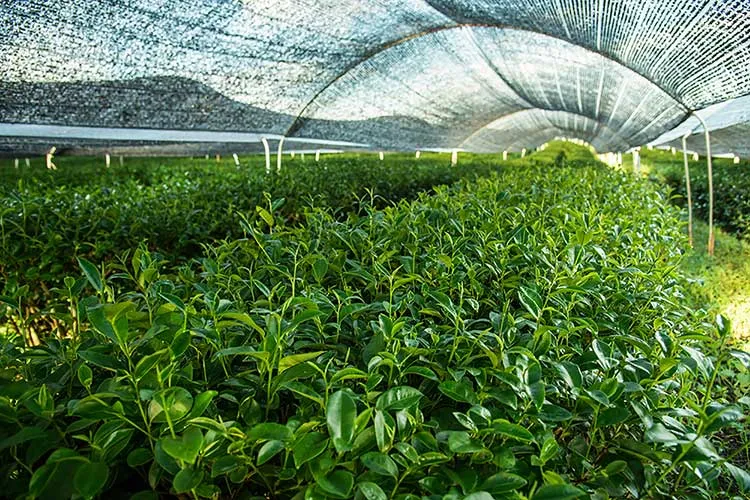
What Japanese origin often signals: established shading and tencha processing traditions, recognizable consumer branding, and in some cases, specific cultivar profiles.
What Japanese origin does not guarantee: lot-level pesticide compliance for EU MRLs, FSVP documentation support for US imports, or batch-to-batch consistency at scale. These depend on the individual supplier‘s systems, not the country of origin.
For EU-bound matcha, the critical variable is pesticide residue testing against current MRLs. The EU reduced MRLs for certain neonicotinoids in tea to 0.05 mg/kg effective March 2026, making lot-specific testing essential regardless of origin . A Japanese supplier who does not provide this documentation is a compliance risk.
A Practical Alternative: Chinese Matcha from Owned Gardens and Factories
For B2B buyers who need documented consistency and compliance support, Chinese vertically integrated producers offer a supply structure that addresses the gaps common in online Japanese matcha sourcing.
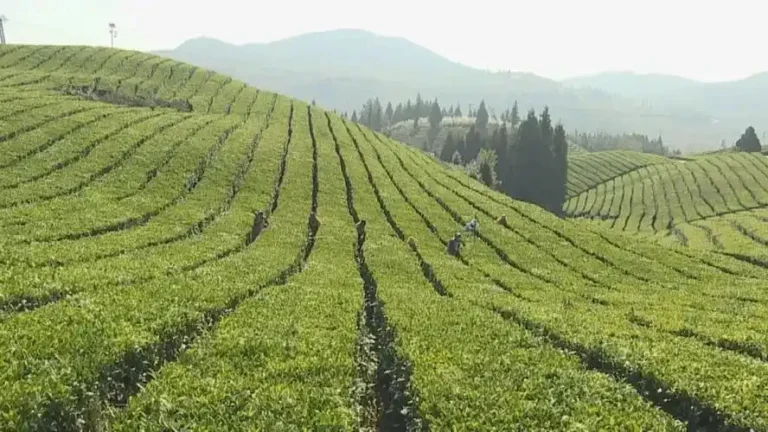
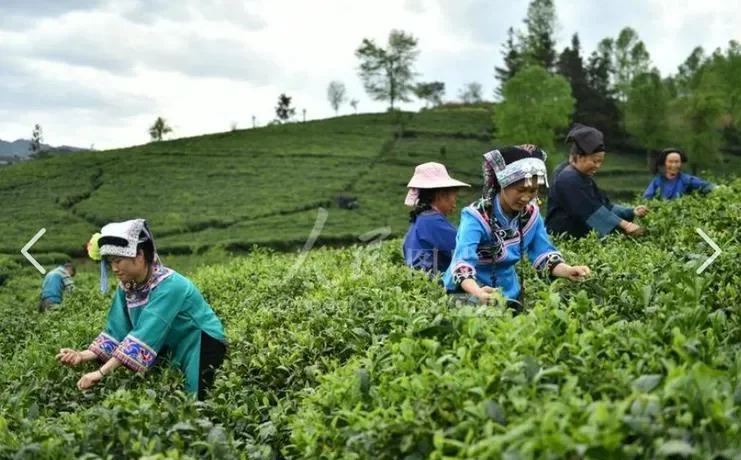
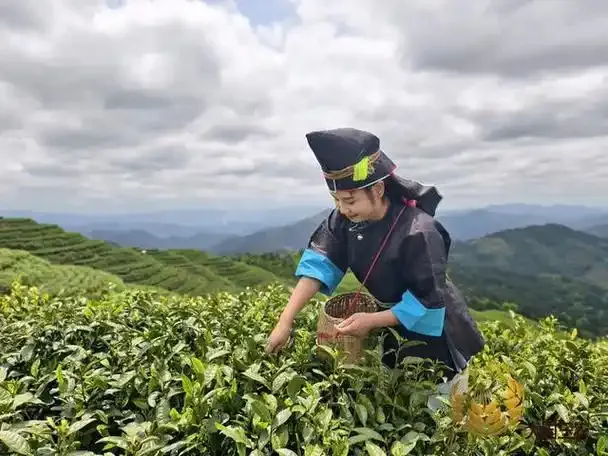
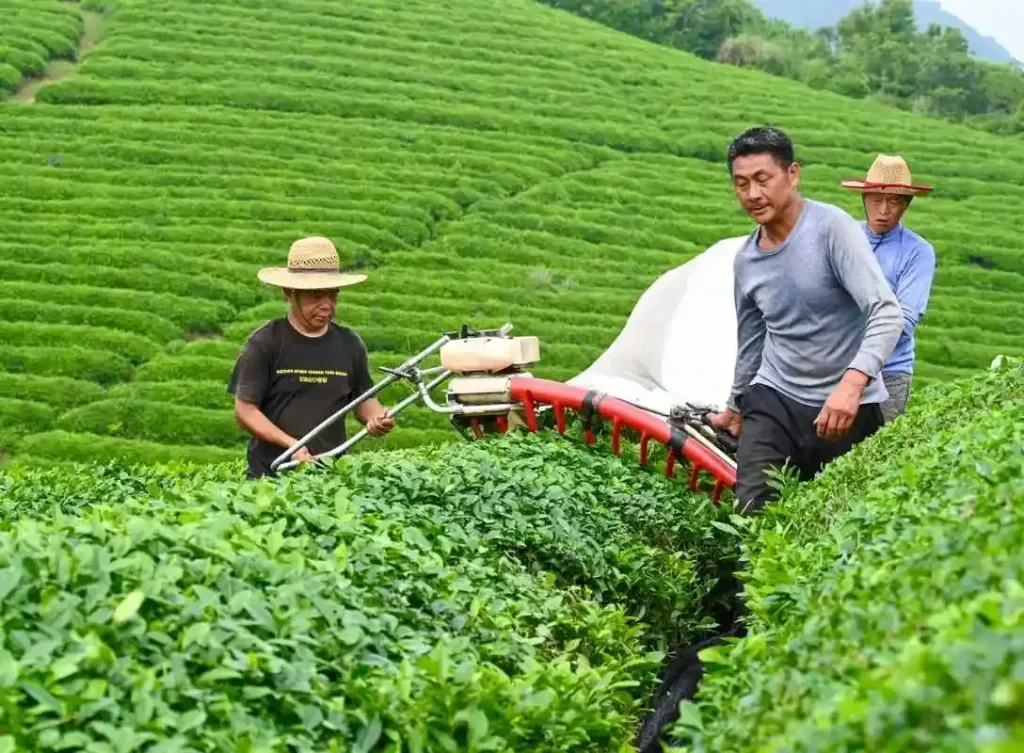
Owned tea fields in Guizhou and Zhejiang. China‘s matcha-producing regions have invested heavily in scale and standardization. Guizhou Tongren and Zhejiang Jingshan are now recognized matcha clusters, with dedicated government programs supporting quality upgrading and export expansion . A producer with owned gardens can trace finished powder back to harvest date and field block.
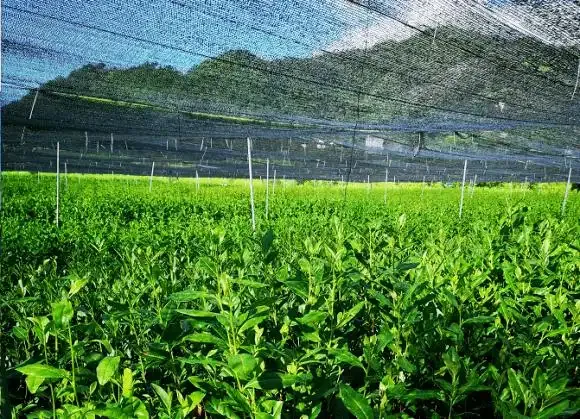
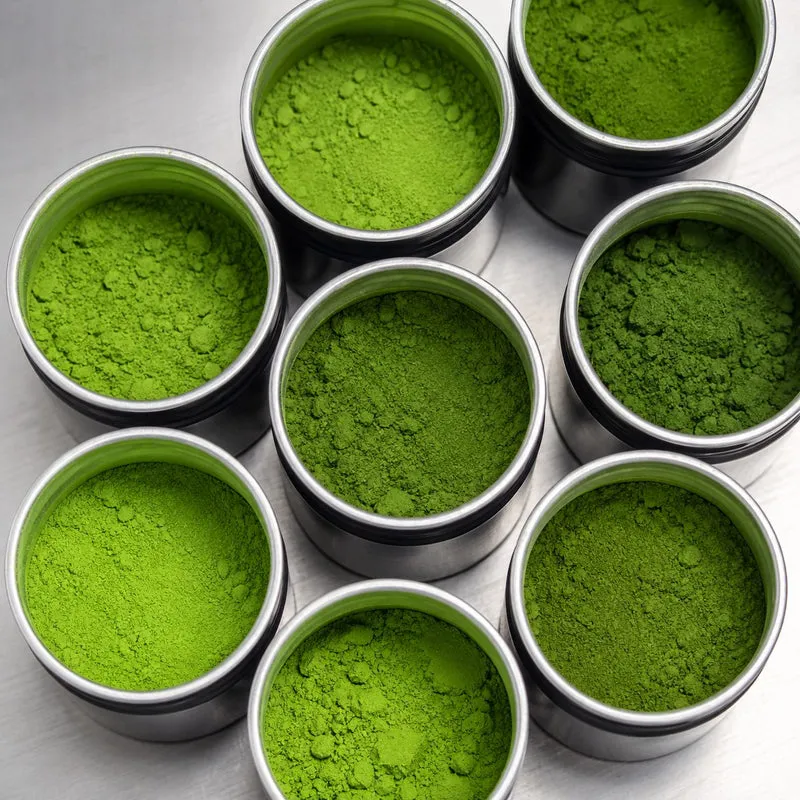
In-house tencha processing and milling. Chinese producers use both stone milling and jet milling, with the latter enabling consistent particle size distribution at commercial volumes. This matters for beverage and bakery applications where dispersion and color consistency are critical.
Compliance infrastructure built for US and EU. Chinese matcha exporters serving Western markets have developed documentation systems specifically for these destinations: FDA facility registration, FSVP support records, lot-specific pesticide panels referenced to EU MRLs, and food safety certifications such as BRC or FSSC 22000. The scale of China‘s export volume has driven this professionalization .
Cost and lead time advantages. At comparable quality grades, Chinese matcha typically offers lower per-kilogram pricing and shorter lead times than Japanese-origin material. For buyers planning repeat orders and private-label programs, this translates directly into margin and inventory planning benefits.
How to Evaluate Any Matcha Supplier, Regardless of Origin
Request a lot-specific CoA with pesticide panel, heavy metals, and microbial results. A generic specification sheet is not sufficient.
Confirm destination-market compliance. For US imports, ask about FDA registration and FSVP cooperation. For EU imports, request pesticide results against current EU MRLs.
Evaluate a production-representative sample. Test in your actual application—dairy, heat, or cold dispersion—before committing to a bulk order.
Ask about traceability. Can the supplier link finished powder to harvest date and raw material source? If not, you are buying a commodity, not a controlled ingredient.
FAQ
Is Japanese matcha better than Chinese matcha?
Quality depends on cultivation, processing, and documentation, not country of origin alone. China is now the largest global matcha producer, and Chinese matcha from Guizhou and Zhejiang is exported to over 50 countries . Evaluate suppliers on lot-level documentation and application performance rather than origin assumptions.
Can I buy Japanese matcha online for B2B supply?
Yes, through Japanese producer websites, specialty importers, and marketplaces. However, verify lot-level documentation, EU MRL compliance (if applicable), and FSVP support before committing. Many small Japanese producers are not set up for direct export compliance.
What certifications should a matcha supplier have for US imports?
At minimum, FDA Food Facility Registration. As importer, you also need FSVP records. FDA has issued warning letters to importers—including one matcha importer—for failing to maintain FSVP documentation .
How does Chinese matcha pricing compare to Japanese matcha?
Chinese matcha typically offers lower per-kilogram pricing at comparable grades, largely due to scale economics. China‘s 2025 output of over 12,000 tons supports competitive export pricing . Compare landed cost, not FOB price alone.
References
- U.S. FDA. FSVP Warning Letter: Vivot LLC (May 2026). https://www.fda.gov/inspections-compliance-enforcement-and-criminal-investigations/warning-letters/vivot-llc-734213-05042026
- U.S. FDA. Foreign Supplier Verification Programs (FSVP) for Importers of Food. https://www.fda.gov/food/importing-food-products-united-states/foreign-supplier-verification-programs-fsvp-importers-food-humans-and-animals