
Where to Buy Matcha Powder: Retail, Wholesale, and B2B Channels
The question “where to buy matcha powder” looks simple. But the answer depends entirely on who is asking. A home consumer needs a 30g tin shipped in days. A café chain needs consistent 1kg bags on a recurring schedule. A food manufacturer needs lot-level documentation and compliance support.
This guide maps the main purchasing channels for matcha powder, what each is good for, and what to verify before you commit. It is written for buyers who need more than a product listing—they need a supply decision.
Retail Channels: Convenience Over Control
For small-scale testing or retail resale, the options are straightforward.
Online marketplaces like eBay and Amazon list matcha powder from individual sellers and small brands, often with visible pricing and customer reviews. These listings are useful for price benchmarking and quick sample acquisition. They are not a supply chain. Lot consistency, documentation, and traceability are rarely available at this level.
Specialty tea retailers such as Upton Tea Imports carry matcha alongside other teas, often with grade descriptions and origin information. Quality varies, and these retailers typically serve home consumers rather than B2B buyers.
Grocery and health food stores stock culinary-grade matcha from consumer brands. This channel is convenient for recipe testing but offers no path to wholesale pricing or custom specifications.
The common limitation across retail channels: you are buying a finished consumer product, not an ingredient with a documented supply chain behind it.
Wholesale and Distributor Channels: Middle Ground
Distributors aggregate matcha from producers and resell in smaller quantities than factories typically require. They serve cafés, small food businesses, and retailers who need manageable order sizes.
A typical wholesale distributor might offer ceremonial, culinary, and latte grades in formats from 100g pouches to 1kg foil bags, with MOQs measured in cartons rather than pallets. Some distributors specialize in Japanese-origin matcha; others source from both Japan and China depending on grade and price point.
The advantage is accessibility: lower MOQs, local warehousing, and faster turnaround. The trade-off is traceability depth. A distributor’s quality depends on their sourcing relationships, and lot-specific documentation may require a special request.
For buyers evaluating this channel, ask: can you obtain a CoA from the producer for the specific lot I am receiving? A distributor who cannot answer this is a reseller, not a supply partner.
Direct from Producers: For Buyers Who Need Documentation
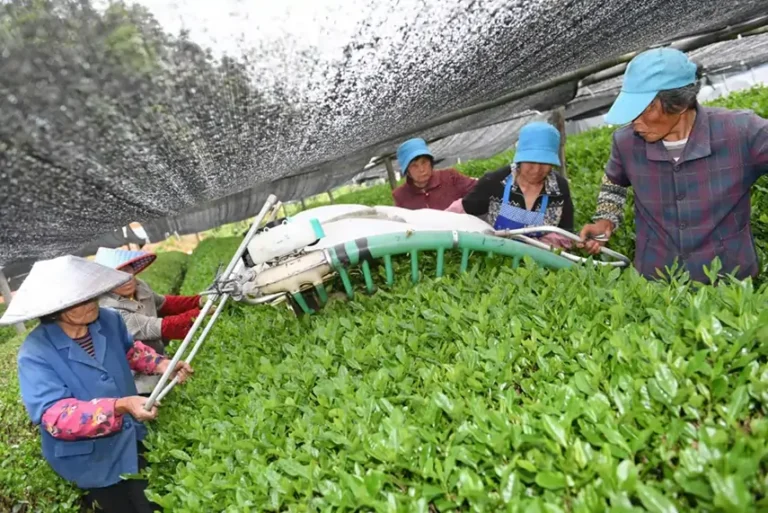
Vertically integrated matcha producers—those that own or control tea fields and operate their own milling facilities—offer a different level of supply engagement.
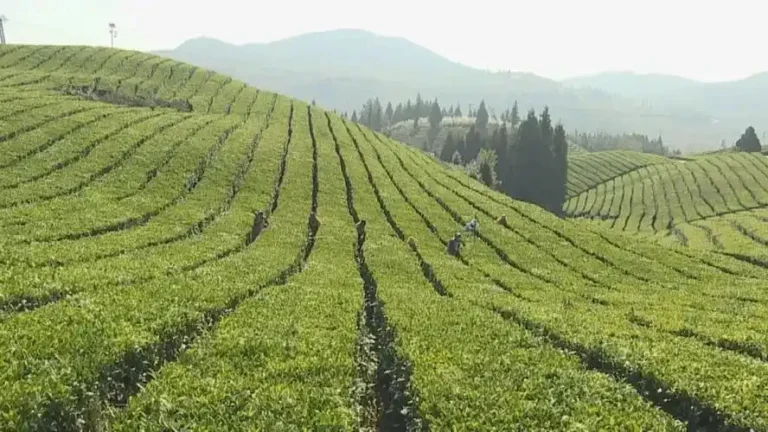
Producers with in-house processing can provide lot-level traceability from finished powder back to harvest date and field block. They can adjust particle size for specific applications, support private-label development, and provide the documentation that US and EU compliance requires.
For US-bound matcha, the importer carries Foreign Supplier Verification Program (FSVP) obligations. A producer who understands FSVP and can supply supporting records is a compliance asset, not just a vendor. For EU-bound matcha, lot-specific pesticide residue data referenced to current MRLs is the baseline requirement.
The trade-offs: higher MOQs, longer lead times, and a qualification process that takes weeks rather than days. For businesses planning repeat orders and branded products, this is usually the right trade.
What to Verify at Every Channel Level
Documentation depth. Retail listings rarely include lot-specific CoAs. Wholesale distributors may obtain them on request. Direct producers should provide them as standard practice.
Traceability. Can the supplier link finished product to a production date and raw material source? If not, you are buying a commodity, not a controlled ingredient.
Compliance support. For US imports, ask about FSVP cooperation. For EU imports, ask for pesticide residue reports against EU MRLs. A supplier unfamiliar with these requirements adds risk to your operation.
Sample provenance. Request samples from a specific production lot, not a hand-prepared “best case” sample. This is the difference between evaluating a product and evaluating a promise.
FAQ
Where can I buy matcha powder in small quantities?
Online marketplaces, specialty tea retailers, and wholesale distributors all offer small-format packaging, typically ranging from 30g to 500g. For B2B evaluation, request a production-representative sample with a lot number rather than purchasing retail stock.
Is it cheaper to buy matcha powder wholesale?
Wholesale pricing reduces per-kilogram cost, but total landed cost depends on shipping terms, duties, and your compliance workload. Compare delivered cost, not unit price alone. Direct factory pricing may be lower at volume but requires higher MOQs.
Can I buy matcha powder directly from a Chinese producer?
Yes. Chinese producers supply matcha in ceremonial, culinary, and latte grades, with certifications including USDA Organic, EU Organic, and food safety schemes. Verify cultivation and milling practices, and request lot-level documentation before committing to bulk orders.
What is the difference between ceremonial and culinary grade matcha powder?
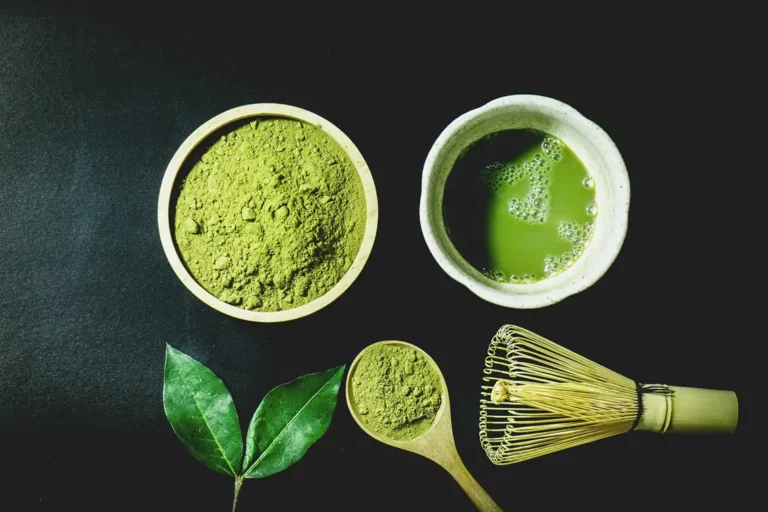
Grade labels are not standardized across the industry. Ceremonial grades are typically first-harvest, shade-grown, and stone-milled for drinking. Culinary grades may use later harvests and are formulated for color and flavor performance in baked goods, beverages, and dairy applications. Define grade by your application, not by the label alone.
References
- U.S. FDA. Foreign Supplier Verification Programs (FSVP) for Importers of Food. https://www.fda.gov/food/importing-food-products-united-states/foreign-supplier-verification-programs-fsvp-importers-food-humans-and-animals
- U.S. FDA. Food Facility Registration. https://www.fda.gov/food/food-facility-registration