Is matcha high in caffeine?
Is matcha high in caffeine? This is one of the most frequent questions B2B buyers and end consumers ask when evaluating matcha for functional beverages, retail wellness products and daily drinking. Many people assume matcha is either nearly caffeine-free or packed with more stimulant than espresso. Neither stereotype is fully accurate. Matcha caffeine content sits in a middle range, with wide variation depending on leaf grade, cultivar, harvest timing, serving size and production methods. This article draws on peer-reviewed research and European Food Safety Authority (EFSA) guidance to explain matcha’s caffeine levels, how it compares to other drinks, the unique L-theanine interaction, and critical safety and labelling considerations for brands selling matcha in North American and European markets.
Why matcha caffeine differs from regular brewed green tea
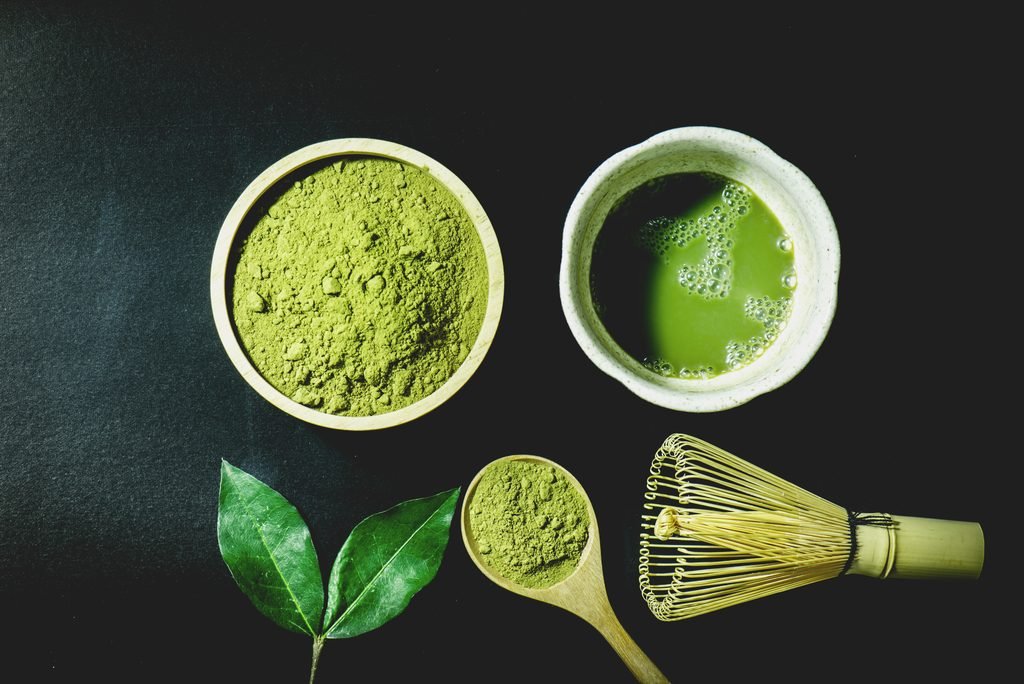
To understand matcha caffeine levels, it helps to start with its production method. Matcha is made from shade-grown tencha leaves, which are stone-ground into a fine powder. Unlike conventional green tea, where leaves are steeped in hot water then discarded, matcha powder is fully consumed. All caffeine present in the leaf enters your body directly, rather than only the fraction that dissolves into the brew.
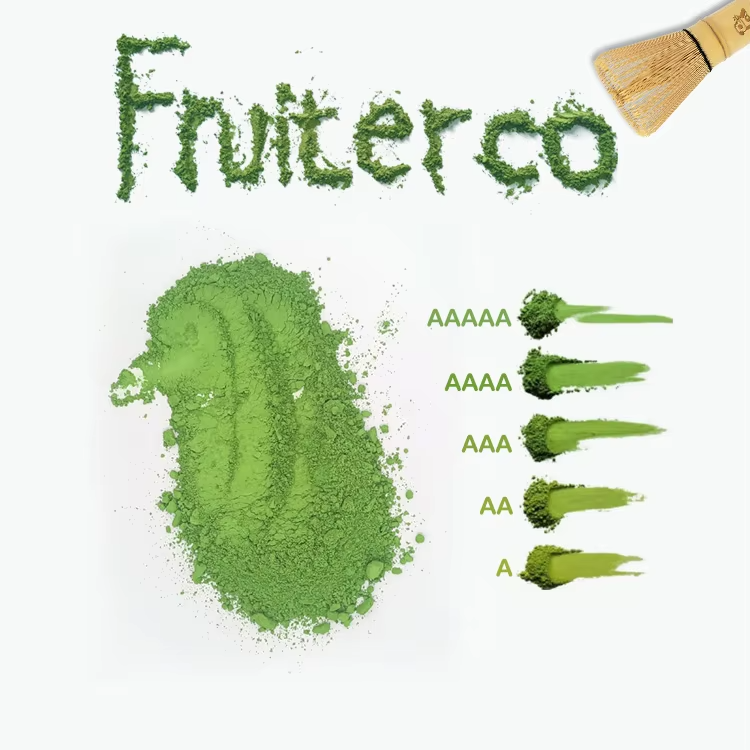
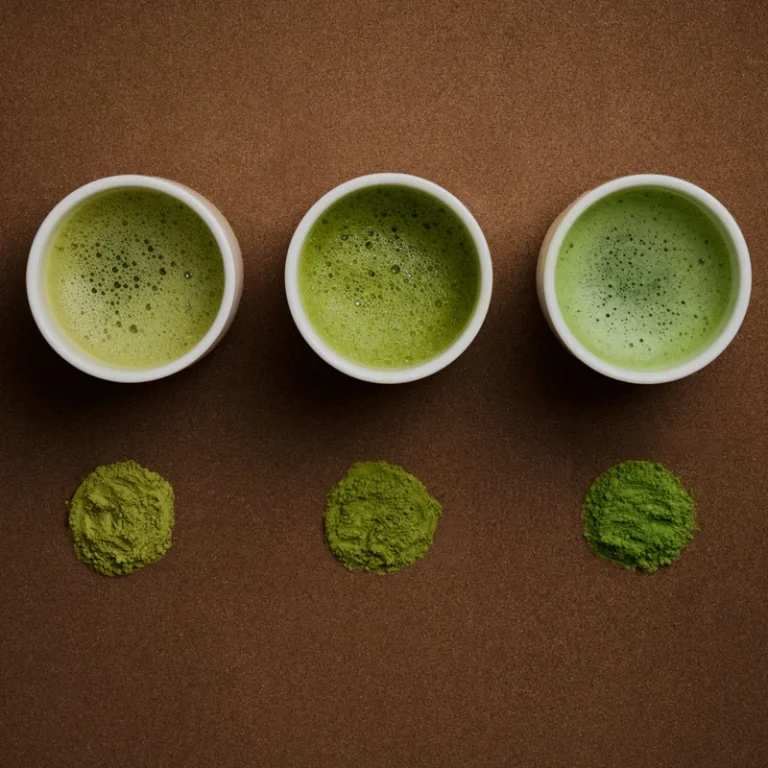
Young spring tea buds and new leaf shoots contain the highest natural caffeine concentration. Shading tea plants for 20–30 days before harvest further alters leaf chemistry. Shaded leaves build more amino acids including L-theanine, while caffeine concentration also tends to rise in the youngest, premium foliage. This means ceremonial grade matcha, made from first-flush young buds, usually has higher caffeine per gram than culinary grades made from more mature later-harvest leaves.
Measured caffeine ranges in matcha
Published analytical data gives clear reference values for caffeine in matcha. A comparative study in Molecules (PMC12157965) tested commercial matcha samples and reported average caffeine concentrations between 20 mg/g and 32 mg/g of powder.
A standard serving of matcha for drinking is 1 gram of powder whisked with hot water. That 1 g serving typically delivers 20–32 mg caffeine. Some premium ceremonial matcha can reach 35 mg per gram, while lower-grade culinary matcha may drop to roughly 18–22 mg/g.
This per-gram range is moderate when viewed in isolation. What makes intake add up quickly is serving size. Many cafes use 2 g or more matcha powder for large lattes, pushing caffeine to 40–64 mg per drink. Bulk formulations for smoothies, functional shots and ready-to-drink products often use even higher powder loadings, which brands must account for in nutrition panels and warning labels.
Matcha caffeine compared to common beverages
To put these numbers in perspective, we can compare a standard matcha serving against other popular drinks:
- Brewed black tea (240 ml cup): 25–48 mg caffeine
- Brewed green tea (240 ml cup): 20–30 mg caffeine
- 1 g matcha: 20–32 mg caffeine
- Espresso shot (30 ml): 60–90 mg caffeine
- Filter coffee (240 ml cup): 70–140 mg caffeine
- Energy drink (250 ml): 80–120 mg caffeine
The comparison shows that a standard 1g matcha serving delivers moderate caffeine relative to coffee. It is roughly comparable to a cup of regular brewed green tea. However, matcha’s unique value is not just caffeine quantity; it is the pairing with L-theanine.
The L-theanine + caffeine synergy: matcha’s signature effect
Caffeine alone triggers fast absorption, often leading to jitters, heart racing and an energy crash a short time later. In matcha, naturally occurring L-theanine slows gastric absorption of caffeine. The result is a gradual, sustained rise in blood caffeine levels, creating calm alertness instead of a sharp stimulant spike.
A clinical trial published in Nutrients (PMC8163701) tested the combined effects of L-theanine and caffeine. Researchers found the combination improved sustained attention and reduced self-reported stress, compared with caffeine consumed on its own. Importantly, L-theanine does not remove caffeine’s stimulant properties. It only modifies the delivery profile. This remains a key marketing point, but brands cannot claim L-theanine eliminates caffeine side effects.
The L-theanine to caffeine ratio varies by matcha grade. Ceremonial grade generally has a more favourable ratio, delivering smoother energy. Culinary grade contains less L-theanine per gram, so the stimulant effect may feel more pronounced at equal caffeine dosage.
Who needs to watch matcha caffeine intake?
Even though a single standard serving of matcha contains moderate caffeine, certain consumer groups must limit or avoid it, following EFSA caffeine safety recommendations. EFSA sets a 400 mg total daily caffeine limit for healthy adults from all food and drink sources combined. For pregnant and breastfeeding people, EFSA advises keeping total daily caffeine below 200 mg.
Groups to exercise caution:
- People with caffeine sensitivity, anxiety disorders or panic disorders: even low caffeine doses may trigger restlessness, racing heartbeat or insomnia.
- Individuals with arrhythmia or uncontrolled high blood pressure: stimulants can worsen symptoms.
- Pregnant or breastfeeding consumers: cumulative caffeine intake from coffee, tea, soda and matcha must be counted together.
- Anyone consuming matcha late in the afternoon or evening: caffeine half-life varies individually and may disrupt sleep quality.
- Children and adolescents: many EU and US food guidance documents recommend limiting caffeine intake for young people.
For B2B formulators, product labelling must list total caffeine content and include advisory warnings for these sensitive groups, especially for RTD beverages and matcha powder retail packs.
How matcha grade, harvest and storage change caffeine levels
Many buyers assume all matcha has identical caffeine content, but several factors create large variations:
- Grade and leaf age: Young first-flush ceremonial matcha typically has higher caffeine than second or third-flush culinary matcha.
- Cultivar: Tea varieties such as Okumidori, widely used for premium matcha, have distinct caffeine and L-theanine profiles compared with other cultivars.
- Harvest week: Even within the same farm and cultivar, caffeine drops as leaves mature through the growing season.
- Storage degradation: Poor storage with heat, light and oxygen breaks down L-theanine faster than caffeine. Stale matcha can deliver caffeine without the usual balancing amino acids.
This variability reinforces the value of third-party laboratory analysis. For B2B sourcing, request HPLC testing reports to confirm caffeine, L-theanine and catechin values rather than relying only on grade labels.
Common myths about caffeine in matcha
Myth 1: Matcha contains more caffeine than coffee
False. A standard 1 g matcha serving has far less caffeine than a cup of filter coffee or espresso. The confusion comes from comparing caffeine per gram of powder instead of per finished drink. If you eat 3 grams of pure matcha powder, total caffeine becomes substantial, but that is not typical consumption.
Myth 2: Matcha caffeine will not affect sleep
False. L-theanine softens the stimulant feeling, but caffeine still impacts sleep architecture. Caffeine has an average half-life of 3–5 hours in healthy adults. Drinking matcha in the evening can still delay falling asleep for sensitive users.
Myth 3: Culinary matcha is caffeine-free
False. All genuine matcha made from Camellia sinensis leaves naturally contains caffeine. Culinary matcha simply tends to have slightly lower caffeine per gram than ceremonial grades.
Practical guidance for B2B buyers and product formulation
When sourcing matcha for your product line, caffeine content should be a core specification in your product brief.
- For wellness drinks targeting calm focus: select matcha with balanced L-theanine and caffeine, usually premium or ceremonial grades.
- For bakery, ice cream and baked applications: culinary matcha works well; note that heat processing does not fully destroy caffeine, so labelling is still required.
- For low-caffeine product concepts: matcha is not naturally caffeine-free. Decaffeinated matcha requires specialised processing and will carry different cost and flavour profiles.
- Always publish clear nutrition facts and caffeine amount per serving on packaging and product web pages.
Internal links to add for Yoast SEO:
Final takeaways
Is matcha high in caffeine? The short answer is no — at a standard 1-gram serving, matcha offers moderate caffeine, comparable to a cup of brewed green tea, and much less than coffee. Its special property comes from L-theanine, which slows caffeine absorption for steady, calm focus. However, caffeine quickly accumulates with larger servings, multiple daily drinks or high-dose formulations.
For B2B brands selling into Europe and North America, transparency on caffeine levels is essential. Third-party testing, clear labelling and responsible consumer guidance help avoid regulatory issues and build trust with your B2B customers and their end users.
References
- Molecules. A Comparative Multianalytical Approach to the Characterization of Different Grades of Matcha Tea (Camellia sinensis (L.) Kuntze). PMC12157965. https://pmc.ncbi.nlm.nih.gov/articles/PMC12157965/
- Nutrients. Effects of L-Theanine and Caffeine on Cognitive Function, Mood, and Blood Pressure in Healthy Adults. PMC8163701. https://pmc.ncbi.nlm.nih.gov/articles/PMC8163701/
- EFSA. Scientific Opinion on the safety of caffeine. EFSA Journal, 2015.