
Is there a downside to matcha?
Is there a downside to matcha? Matcha has earned a stellar reputation across North America and Europe as a nutrient-dense superfood, celebrated for high antioxidants, L-theanine, and gentle sustained energy. For most healthy adults drinking moderate amounts of high-quality matcha, it is a safe daily beverage. Yet no food or ingredient is universally risk-free. While many marketing materials focus only on matcha’s wellness advantages, there are real downsides, limitations, and safety considerations that B2B buyers, formulators, and consumers need to understand. These risks are often tied to dosage, individual health status, medication interactions, and sourcing quality, not matcha itself. This article reviews peer-reviewed research and authoritative food safety guidance to break down the downsides of matcha, clarify which risks are overstated, and outline practical rules for safe consumption and responsible product formulation.
Why the downside of matcha differs from regular brewed green tea
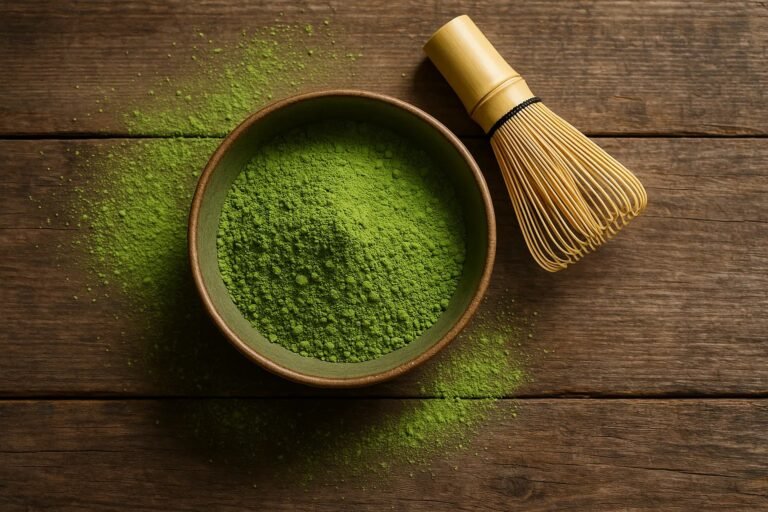
The unique feature that makes matcha powerful also creates its potential downsides: matcha is whole tencha leaf stone-ground into fine powder. When you drink matcha, you ingest the entire leaf, not just the compounds that leach into hot water and leave leaf solids discarded.
Tea plants (Camellia sinensis) naturally accumulate substances from soil and growing environment, including heavy metals, fluoride, pesticide residues, and tannins. In brewed green tea, much of that material stays behind in the leaves. With matcha, everything in the leaf enters your body directly. This simple distinction changes risk profiles for contaminants, micronutrients, and bioactive compounds.
1. Caffeine-related side effects: one common downside of matcha
Matcha contains natural caffeine, balanced with L-theanine to slow absorption and reduce the sharp jitters common with coffee. However, L-theanine does not eliminate caffeine’s stimulant effects. A standard 1 gram serving of matcha contains roughly 20–32 mg caffeine, with ceremonial grades often sitting at the higher end of that range. Multiple servings add up quickly.
The European Food Safety Authority (EFSA) and UK FSA set a 400 mg daily caffeine upper limit for healthy adults; pregnant people are advised to stay below 200 mg per day from all sources combined. People sensitive to caffeine, those with anxiety, rapid heart rhythm, or insomnia may experience side effects even at low doses. Common symptoms include restlessness, headaches, palpitations, elevated blood pressure, nervousness, and disrupted sleep if consumed late in the day.
For B2B product developers, this matters for labelling and consumer guidance. Functional beverages, RTD lattes, and supplements containing matcha should clearly state caffeine content and include warnings for sensitive groups, pregnant consumers, and people taking stimulant medications.
2. Heavy metal contamination risk: the biggest sourcing downside of matcha
Tea plants readily absorb lead, aluminium, and cadmium from soil. Because matcha uses the full leaf, contamination risk becomes far more relevant than for brewed tea. A study published in Food Additives & Contaminants found large variation in heavy metal levels across commercial matcha products, with cheaper bulk matcha from regions with industrial soil pollution showing significantly higher lead concentrations.
It is critical to clarify: organic certification does not guarantee low heavy metal levels. Organic standards restrict synthetic pesticides, but they cannot remove metals already present in farm soil. The only reliable safeguard is third-party laboratory testing for heavy metals, arsenic, and pesticide residues. Japanese matcha grown in well-regulated tea regions such as Uji, Kagoshima and Nishio generally records lower heavy metal results in independent testing, though testing remains mandatory regardless of origin.
This downside is not an inherent flaw of matcha as an ingredient. It is a quality and sourcing risk. For B2B buyers, third-party test certificates are not an optional luxury but a core procurement requirement for protecting end users and brand liability in EU, UK and US markets.
3. Vitamin K and anticoagulant medication interaction
Matcha is rich in vitamin K, a nutrient that supports normal blood clotting. This creates a well-documented interaction risk for people taking blood-thinning medications such as warfarin. Vitamin K does not make warfarin unsafe, but sudden, large changes in daily vitamin K intake can alter the medication’s effectiveness and destabilise INR blood test results.
This does not mean people on anticoagulants must avoid matcha entirely. Healthcare guidance advises consistent, steady intake of vitamin K. If someone regularly drinks matcha, they should maintain the same serving size every day and consult their doctor before adding or removing matcha from their routine. This precaution must appear in consumer-facing safety copy for matcha retail products, functional foods and supplements.
4. Vitamin K and anticoagulant medication interaction
Tannins and catechins in matcha can irritate the gastric lining, especially when consumed on an empty stomach. Many consumers report nausea, mild cramping or acid reflux when drinking matcha first thing in the morning without food. People living with gastritis, GERD or IBS are more vulnerable to this effect.
Tea polyphenols also bind to non-heme iron and reduce iron absorption from plant-based meals and iron supplements. Research shows catechins can cut iron absorption by approximately 25% when consumed together with iron-rich foods. For people with anaemia or low iron stores, the recommendation is simple: separate matcha and iron sources by at least 1–2 hours.
Matcha also contains oxalates. In large daily quantities, oxalates may increase kidney stone risk for susceptible individuals, though moderate intake of 1–2 servings daily poses minimal risk for most people.
5. EGCG and liver risk: separating supplements from food-grade matcha
This is one of the most commonly misunderstood downsides of matcha. Rare cases of liver injury associated with green tea are almost exclusively linked to high-dose green tea extract supplements, not normal food-grade matcha powder consumed as a beverage.
EFSA reviewed EGCG safety and noted that adverse liver events are reported at very high supplemental EGCG doses, above typical intake from drinking whisked matcha. A standard serving of matcha delivers far less EGCG than concentrated extract capsules. A 2022 review in Nutrients confirmed that moderate dietary matcha consumption is not associated with liver toxicity in healthy adults, though individuals with pre-existing liver disease should seek medical advice before regular use.
This distinction is essential for marketing. Brands must avoid fear-based claims, but also avoid implying unlimited consumption is harmless. Combining high-dose EGCG supplements with daily matcha creates cumulative intake that may exceed safe limits.
6. Fluoride accumulation with extreme long-term overconsumption
Tea leaves naturally absorb fluoride from soil and water. Matcha contains higher fluoride than brewed green tea because the whole leaf is consumed. Occasional or moderate intake is safe, but very high, lifelong consumption of multiple large servings every day can allow fluoride to build up in bones and teeth, potentially increasing risk of fluorosis over decades, according to a review in Molecules.
This downside is only relevant for extreme consumption patterns. For regular users drinking one or two standard servings daily, fluoride exposure from matcha is not a meaningful health concern.
7. Marketing overpromising and regulatory risk (a business downside of matcha)
For B2B brands selling matcha into the US, EU and UK markets, one major downside is regulatory risk from exaggerated health claims. Matcha suppliers and retailers cannot legally state that matcha treats, cures, prevents or diagnoses disease. Claims such as “lowers cholesterol”, “burns fat”, or “protects against cancer” violate food advertising rules in Western jurisdictions.
Most human clinical trials on green tea catechins show mild, modest effects only, and many studies use extracts rather than whole leaf matcha. A 2021 PMC pilot study on matcha and overweight participants found no statistically significant changes in lipid markers after 12 weeks of daily consumption, highlighting that many popular wellness claims are overstatedPMC. This creates risk for brands that rely on bold health messaging. Responsible B2B marketing sticks to factual statements: “source of antioxidants”, “contains L-theanine”, “contains fibre from whole tea leaf”.
Who should exercise caution or avoid matcha?
Matcha is safe for most healthy adults at 1–2 servings per day, but these groups need caution or medical consultation before regular use:
- Pregnant or breastfeeding people (due to caffeine limits)
- Individuals with caffeine sensitivity, anxiety disorders or arrhythmia
- People taking blood thinners (warfarin)
- Those with iron deficiency anaemia
- Individuals with active liver or kidney disease
- People taking certain antibiotics or stimulant medications
How to minimise matcha downsides in sourcing and consumption
Most downsides of matcha can be managed, not eliminated, with careful practices. For B2B buyers, the priority is third-party testing and transparent documentation. For end consumers, the solution is moderate intake and awareness of personal sensitivity.
- Limit daily servings: 1–2 g of high-quality matcha per day is the widely accepted safe range for healthy adults. More than 3–4 g daily raises the chance of caffeine and GI side effects.
- Avoid drinking matcha on an empty stomach.
- Source matcha with full third-party lab certificates for heavy metals, pesticides and microbial safety.
- Keep vitamin K intake consistent if on anticoagulants, rather than stopping or starting abruptly.
- Separate matcha from iron-rich meals or iron supplements.
- Do not combine daily matcha with high-dose EGCG supplements.
- Store matcha properly in airtight, cool, dark packaging to prevent oxidation; stale matcha loses nutritional quality and may develop off-flavours.
Final takeaways: understanding the downside of matcha
Matcha’s downsides are real, but they are often context-dependent. For healthy adults consuming tested, pure matcha in moderation, risks are low. The most serious hazards stem from poor sourcing (heavy metal contaminants), excessive intake, medication interactions, and exaggerated marketing claims.
For B2B businesses importing and selling matcha into Western markets, acknowledging these downsides transparently builds credibility. Many competitors only promote benefits; clear, science-backed safety information differentiates your brand and reduces regulatory risk. Matcha remains a valuable functional ingredient, but responsible sourcing, clear consumer warnings, and realistic expectations are essential.
References
- Nutrients. A Prospective Non-Randomized Open-Label Comparative Study of The Effects of Matcha Tea on Overweight and Obese Individuals. PMC9362463. https://pmc.ncbi.nlm.nih.gov/articles/PMC9362463/
- Nutrients. Green Tea Catechins and Liver Safety: A Review of Human Evidence. PMC7796401. https://pmc.ncbi.nlm.nih.gov/articles/PMC7796401/
- EFSA. Scientific Opinion on the safety of epigallocatechin gallate (EGCG) from green tea extracts. European Food Safety Authority, 2018.
- Food Additives & Contaminants. Heavy metal concentrations in commercial matcha powders. 2019.
- Molecules. Matcha and its potential benefits: A mini review. PMC review on phytochemicals, fluoride and leaf accumulation.