
What is the 30/20/10 rule for matcha?
What is the 30/20/10 rule for matcha? This practical brewing guideline is widely adopted by tea masters, cafe baristas and B2B formulators to achieve consistent colour, flavour and suspension when preparing matcha. Many new operators overlook how temperature, water volume and timing impact the final cup, leading to bitter, clumpy or faded matcha drinks. The 30/20/10 rule sets clear, repeatable parameters for traditional whisked matcha preparation. This article explains the origin of the framework, breaks down each component, covers formulation adjustments for commercial use, addresses common mistakes, and shares sourcing insights for brands selling matcha products in North America and European markets.
What the 30/20/10 rule actually means
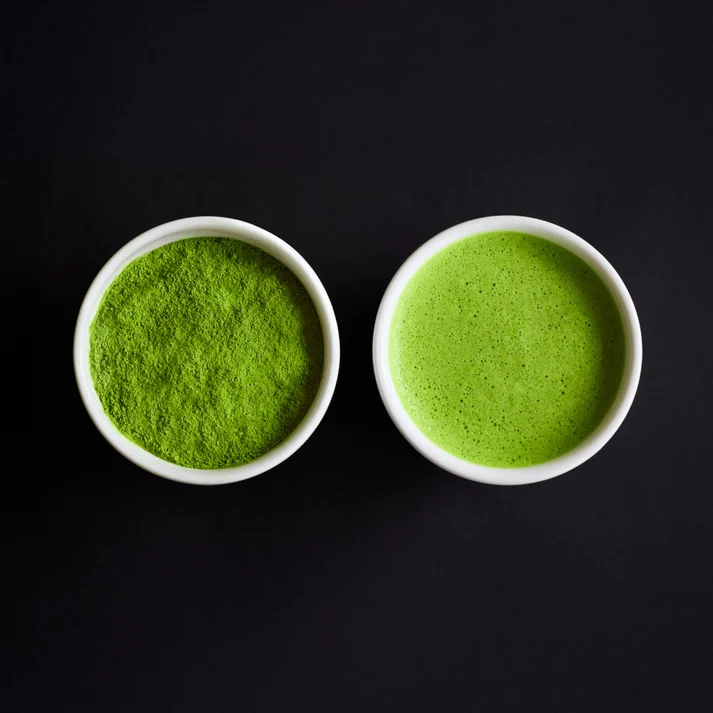
First, the 30 stands for 30 millilitres of hot water used for the initial paste stage. This small amount of hot liquid mixes directly with matcha powder to break down clumps and create a smooth slurry. Second, the 20 refers to 20 seconds of vigorous whisking with a bamboo chasen. This action emulsifies the powder, creates the signature froth, and evenly disperses fine particles throughout the liquid. Third, the 10 represents 10 grams of matcha powder as the baseline reference for scaling larger commercial batches.
This rule was originally developed for ceremonial-grade matcha preparation. It gives baristas a simple, memorable standard instead of relying on guesswork or subjective taste testing. While home users often adapt the ratios for smaller servings, cafes and food manufacturers use this framework to standardise drink quality across multiple locations and shifts.
Breakdown of each step in the 30/20/10 matcha method
30 ml hot water for the matcha paste
Start by adding your matcha powder to a pre-warmed chawan (tea bowl). Add 30 ml of hot water; the ideal temperature sits between 70°C and 80°C. Water above 85°C burns the delicate catechins and L-theanine in matcha, bringing out harsh bitter notes. Water that is too cool fails to fully hydrate the fine powder, leaving dry clumps that never fully dissolve.
Stir gently to form a thick paste before whisking. This paste step is the secret to eliminating lumps. Many baristas skip this stage and pour all the water at once, trapping dry powder inside floating clumps that ruin mouthfeel and colour consistency. For B2B product development, this same principle applies to powder blends: pre-hydration helps avoid agglomeration in ready-to-mix sachets.
20 seconds of bamboo whisking
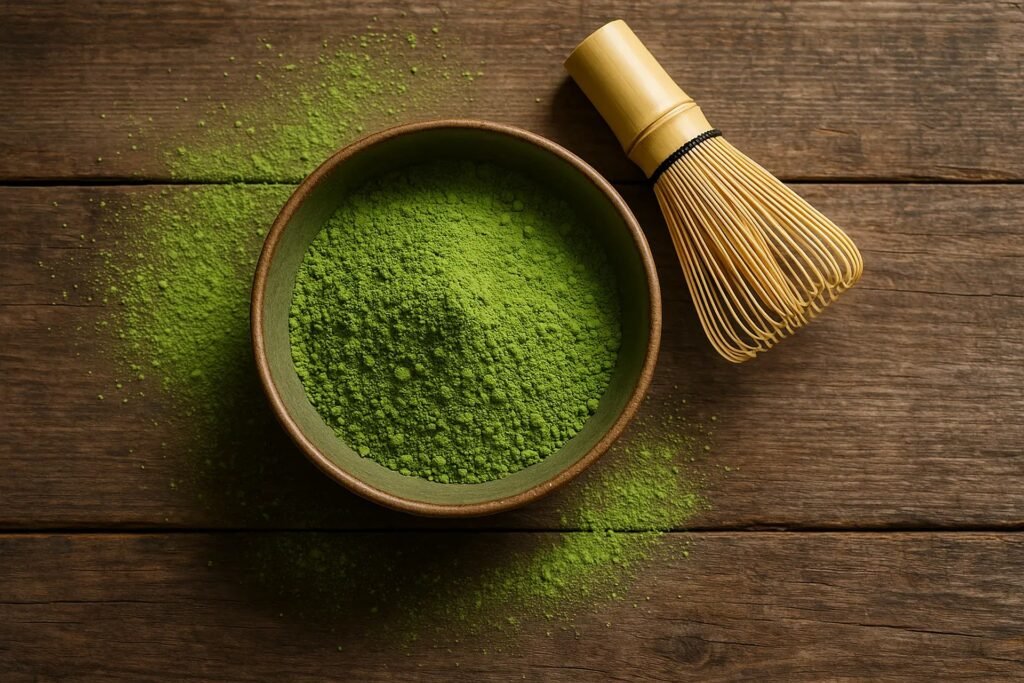
Next, hold your chasen and whisk rapidly in a W or zig-zag motion for exactly 20 seconds. The goal is to generate tiny, fine bubbles rather than large, foamy bubbles. Large bubbles pop quickly and leave the drink flat within minutes. Proper whisking evenly suspends the leaf particles so the colour stays uniform from the first sip to the last.
Ceremonial preparation prioritises this frothy layer known as kasane. For cafe lattes, baristas may shorten or adjust whisking time, but the 20-second benchmark remains a useful training standard for new staff. For industrial beverage mixing, this whisking concept translates to homogenisation settings during RTD production to prevent sediment settling in bottled matcha drinks.
10 grams matcha as scaling reference
The final number, 10 grams, acts as a base reference weight for batch scaling. The original framework uses 10 g matcha powder to calculate how much liquid is needed for multiple servings. You can scale the whole ratio up or down: if you use 5 grams of matcha, halve the initial 30 ml water to 15 ml and keep the 20-second whisking principle unchanged.
It is critical to clarify that 10 g is not a recommended single serving size. A typical individual serving of matcha sits around 1 g, so 10 g is enough for multiple cups. New users often misinterpret this number and brew overly strong, high-caffeine drinks. This misunderstanding can lead to customer complaints about bitterness, jitters or stomach upset.
Why the 30/20/10 rule matters for B2B buyers and formulators
Consistency is the biggest value of the 30/20/10 rule for commercial operations. Cafes with multiple baristas can use this rule as part of staff training to reduce variation between cups. Food developers can use the same ratio to test how different matcha grades perform during mixing.
Ceremonial grade matcha responds beautifully to this method, producing bright green colour and smooth umami flavour. Culinary matcha can also follow the same workflow, though it may need minor tweaks to water temperature to control astringency. If your brand creates consumer-facing preparation guides, the simple 30/20/10 rule makes instructions easy for end customers to follow.
Even so, the rule is a guideline, not a rigid universal law. Higher-fat formulations, such as matcha lattes with heavy cream, will change suspension behaviour and foam stability. Cold matcha applications require different mixing techniques entirely, as cold water struggles to break down matcha clumps without high shear mixing.
Common misconceptions about the 30/20/10 rule
Myth 1: 30/20/10 is the only correct way to make matcha
False. This is a standardised training framework, not an ancient traditional tea ceremony rule. Japanese tea ceremonies use variable amounts of powder and water depending on the style of the service. The 30/20/10 system is a modern commercial simplification for repeatable results.
Myth 2: The 10 means 10 grams per cup
False. This is the most widespread error. The 10 g value is a scaling base for batch prep. A 10 g single serving would deliver excessive caffeine and intense bitterness that most consumers cannot tolerate.
Myth 3: You must use a bamboo chasen for the 20-second whisk step
False. The goal is particle suspension and microfoam. Handheld electric frothers can mimic this effect for home or cafe use, though they produce a different foam texture. Industrial homogenisers replace manual whisking in mass beverage manufacturing.
Myth 4: This rule works equally well for cold matcha
False. Cold water does not hydrate matcha powder as easily. Cold matcha requires pre-blending or high shear mixing; simply following the 30/20/10 rule with cold water will result in clumpy powder and poor suspension.
Practical commercial adjustments for different products
- Ceremonial style neat matcha drinks: Follow the original 30/20/10 framework closely, use 70–80°C water and ceremonial grade matcha for vibrant colour and smooth umami.
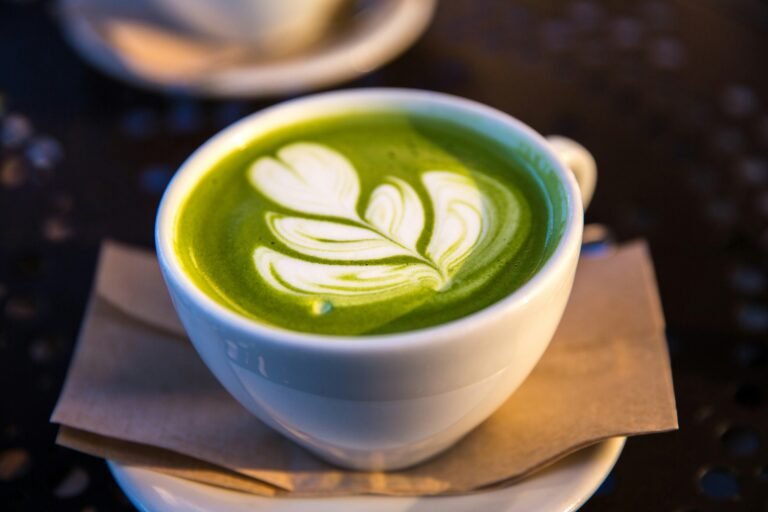
- Hot matcha lattes: Use the paste method, but reduce initial water volume slightly. Milk will alter foam behaviour and mask minor bitterness.
- Cold brew / iced matcha: Prepare the matcha paste with warm water first, then chill and combine with ice and milk. Skipping the warm paste step creates clumps.
- Baking and powder blends: The 30/20/10 liquid rule does not apply directly. Formulators should test hydration rates separately for dry mix applications.
When testing matcha for your product line, use the 30/20/10 method as your baseline test. After establishing the baseline flavour and colour, adjust parameters to match your final product recipe. Always run sample trials with your exact ingredients, as mineral content in water can change matcha flavour and suspension.
B2B sourcing takeaways tied to mixing performance
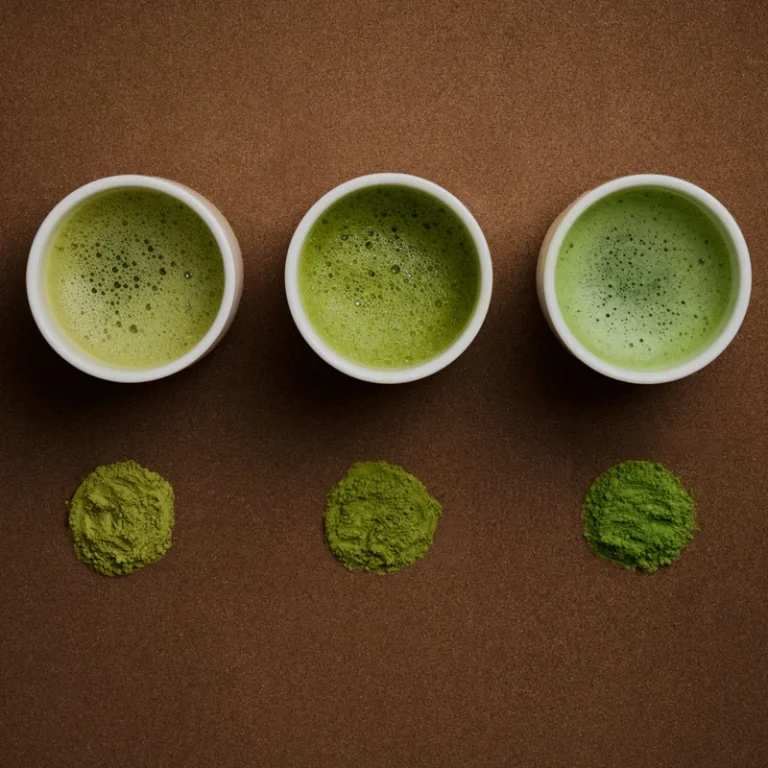
Not all matcha powder behaves the same under the 30/20/10 preparation method. Low-grade or poorly milled matcha will clump heavily and fail to suspend evenly, even with correct water and whisking. Fine stone-ground powder holds suspension far better than coarsely milled product.
When evaluating new suppliers, run a standard 30/20/10 test on each sample. Record colour, clumping tendency, foam persistence and flavour. This simple test quickly reveals batch inconsistencies before you commit to large bulk orders. Request batch COAs alongside your sample testing, verifying heavy metal and pesticide compliance for EU or US markets.
Final takeaways
What is the 30/20/10 rule for matcha? It is a modern commercial preparation framework: 30 ml warm water to create a smooth paste, 20 seconds of whisking to build microfoam, and 10 grams of matcha powder as a batch scaling reference. It is designed to standardise matcha brewing for cafes and product developers, delivering consistent colour, suspension and flavour.
This rule is a helpful starting point, not an unbreakable rulebook. It works best for hot, neat matcha preparation. For lattes, cold drinks, baking and RTD formulations, you must adapt the method to fit your recipe. For B2B matcha buyers, using the 30/20/10 test during sample evaluation is a fast, practical way to compare how different matcha powders perform in beverage applications.
References
- Journal of Sensory Studies. Sensory properties of matcha affected by water temperature and mixing technique
- Nutrients. Physical dispersion behaviour of tea polyphenols in aqueous suspensions
- EFSA. Caffeine exposure assessment for botanical beverage powders
- International Tea Committee. Guidelines for sensory evaluation of powdered green tea (matcha)