
What does matcha powder do for you?
Matcha powder has exploded in popularity across Europe and North America, featured in cafes, functional food formulations, dietary supplements and home wellness routines. Unlike conventional brewed green tea, where tea leaves are steeped and discarded, matcha is finely milled powder made from whole shaded tencha leaves. When you consume matcha, you ingest the entire leaf and all its bioactive nutrients, rather than just water-soluble compounds that leach into the brew. This fundamental difference is what makes matcha uniquely potent, delivering a concentrated blend of antioxidants, amino acids, vitamins and minerals. This article reviews peer-reviewed scientific research to explain what matcha powder does for human health, its key active ingredients, evidence-backed benefits, limitations, and practical considerations for B2B buyers sourcing matcha for Western markets.
The core bioactive compounds in matcha powder
Matcha’s health effects stem from a suite of phytochemicals formed when the tea plant (Camellia sinensis) is shaded for 20–30 days before harvest. Shading alters the plant’s metabolism, boosting chlorophyll and amino acid production while modifying catechin levels. After harvesting, stems and veins are removed to create tencha, which is slowly stone-ground into ultra-fine matcha powder.
L-theanine
L-theanine is a unique amino acid abundant in tea leaves, and matcha is one of the richest dietary sources. Research shows L-theanine crosses the blood-brain barrier and promotes the production of gamma-aminobutyric acid (GABA), modulating brain alpha waves. This effect supports calm alertness: focus without the jittery nervousness often associated with caffeine alone.
A 2021 clinical trial published in Nutrients found that L-theanine combined with caffeine improved sustained attention and reduced self-reported stress in healthy adults, without sharp energy crashes. Typical L-theanine concentrations in high-quality matcha range from 10–46 mg per gram, varying by leaf maturity, shading duration and cultivar.
EGCG and total catechins
Epigallocatechin gallate, or EGCG, is the primary catechin in matcha and one of the most widely studied dietary antioxidants. Catechins scavenge free radicals, reduce oxidative stress and support inflammatory balance in the body.
A comparative study in Molecules (PMC12157965) measured polyphenol profiles across commercial matcha grades. The research confirmed that total catechin and EGCG content varies significantly based on harvest timing and leaf age. Young shaded ceremonial matcha has lower EGCG, while mature-leaf culinary matcha can reach higher EGCG levels, ranging roughly 50–100 mg/g. It is critical to note that these values refer to powder concentration; total antioxidant intake also depends on serving size.
Caffeine
Matcha naturally contains caffeine, bound together with L-theanine. The L-theanine slows caffeine absorption in the gut, creating a gradual, extended release into the bloodstream. Average caffeine content of matcha falls between 20–32 mg per gram. A standard 1 gram serving delivers approximately 20–32 mg caffeine, substantially less than a cup of brewed coffee, while still supporting mental alertness.
Chlorophyll, fibre and micronutrients
Extended shading increases chlorophyll synthesis, creating matcha’s signature bright green colour. Chlorophyll acts as an antioxidant and supports normal detoxification processes in the body. Since matcha is whole-leaf powder, it also delivers insoluble dietary fibre from the tea leaf cell walls, alongside vitamin K, beta-carotene, calcium, magnesium and zinc. Many of these nutrients are lost in regular brewed green tea because the leaf material is thrown away.
Evidence-backed effects of matcha powder on the body
1. Supports cognitive function and sustained mental focus
The most well-known benefit of matcha comes from the synergistic pairing of L-theanine and caffeine. As documented in Nutrients 2021 human trial, this combination improves working memory, attention span and reaction time while lowering subjective anxiety, compared with caffeine consumed alone.
For consumers, this means matcha can be used as a gentle daytime cognitive support. For B2B product developers, this property makes matcha a valuable ingredient for functional lattes, ready-to-drink beverages and wellness supplements targeted at professionals and students seeking steady focus. It is important to clarify that matcha is not a “brain booster” drug; effects are mild and supportive, not transformative.
2. Powerful antioxidant support and oxidative stress reduction
Oxidative stress arises from free radicals generated by metabolism, pollution and lifestyle factors. Excess free radicals contribute to chronic low-grade inflammation. EGCG and other polyphenols in matcha demonstrate strong in-vitro antioxidant activity.
A 2022 study in Antioxidants measured ORAC (oxygen radical absorbance capacity) values for green tea products, showing matcha had significantly higher antioxidant capacity than brewed green tea on an equal weight basis, because the whole leaf is consumed. However, researchers also note that in-vitro antioxidant values do not always translate directly to measurable clinical health outcomes in humans. Antioxidant benefits are supportive, not therapeutic.
3. May support metabolic health and weight management
Some research suggests green tea catechins including EGCG can increase resting energy expenditure and fat oxidation, particularly during moderate exercise. A meta-analysis published in Critical Reviews in Food Science and Nutrition reviewed multiple human trials and found green tea catechin intake produced small but statistically significant reductions in body weight and body fat percentage.
This research is often applied to matcha, but a key caveat: most trials used concentrated green tea extract supplements, not plain matcha powder. The catechin dose in a standard daily serving of matcha is lower than the doses used in many weight-loss studies. Matcha can support a healthy lifestyle when paired with balanced diet and exercise; it is not a standalone weight-loss solution. This is a critical point for marketing to avoid unsubstantiated health claims, especially under EU and US food regulations.
4. Supports cardiovascular health markers
Several observational and intervention studies link regular green tea consumption to favourable cardiovascular markers. A 2020 meta-analysis in Nutrition, Metabolism and Cardiovascular Diseases found green tea catechin intake was associated with modest reductions in LDL (“bad” cholesterol) and blood pressure in adults with mild hypertension.
Again, much of this research uses green tea extracts or brewed green tea. Since matcha delivers higher total catechin intake per serving than brewed tea, it may offer similar supportive effects, though dedicated large-scale human trials specifically for matcha remain limited. It should never replace prescription cardiovascular medication.
5. Supports gut health
Tea polyphenols from matcha act as prebiotics, feeding beneficial bacteria in the gastrointestinal tract. A 2023 review in Foods explained that catechins modulate gut microbiota composition, promoting the growth of beneficial Bifidobacterium and Lactobacillus strains while limiting some pathogenic bacterial growth. The dietary fibre in whole leaf matcha further aids gut transit.
Important limitations and safety considerations
Matcha powder offers wellness benefits, but it also has risks that brands should communicate transparently to end customers.
First, caffeine content. People sensitive to caffeine, those with anxiety disorders, pregnant or breastfeeding women should limit or avoid matcha. Excess intake may cause insomnia, palpitations, jitters or digestive upset.
Second, heavy metal and pesticide residues. Tea plants readily absorb aluminium and lead from soil. High-quality, properly sourced matcha undergoes third-party lab testing for heavy metals and pesticides. Cheap, untested green powder marketed as matcha carries higher contamination risk. This is a major quality differentiator for B2B sourcing.
Third, vitamin K content. Matcha contains high vitamin K, which can interfere with blood-thinning medications such as warfarin. People on anticoagulant drugs should maintain consistent vitamin K intake and consult a healthcare provider before adding matcha to their routine.
Fourth, regulatory boundaries. In the EU, UK and USA, food and beverage brands cannot claim matcha cures, treats or prevents disease. All marketing must stick to descriptive, non-medicinal statements such as “source of antioxidants” or “contains L-theanine”.
What grade of matcha delivers these benefits?
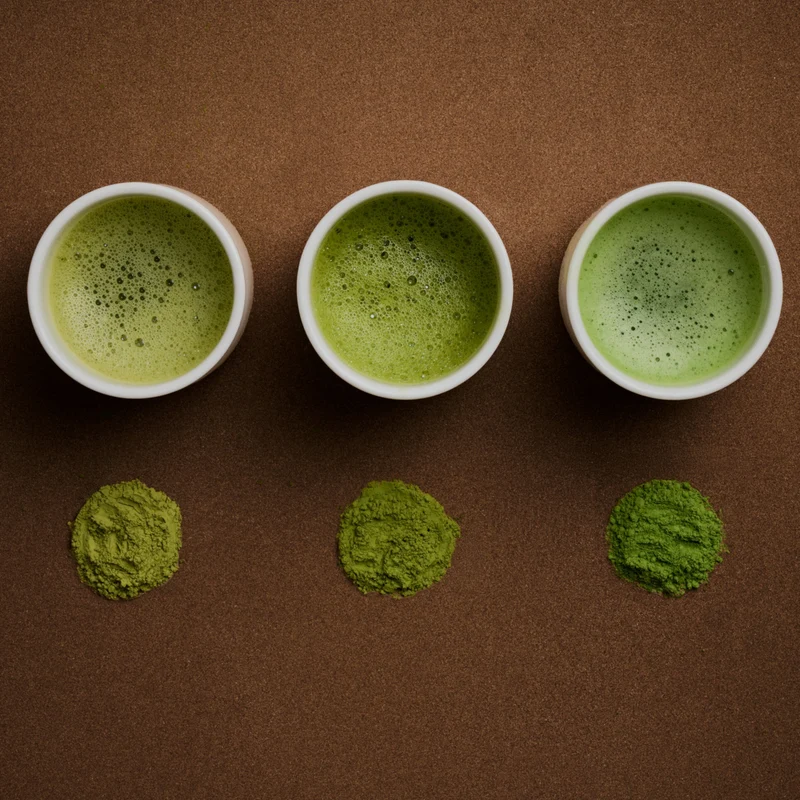
All genuine pure matcha provides these nutrients, but concentrations shift by grade, cultivar and harvest.
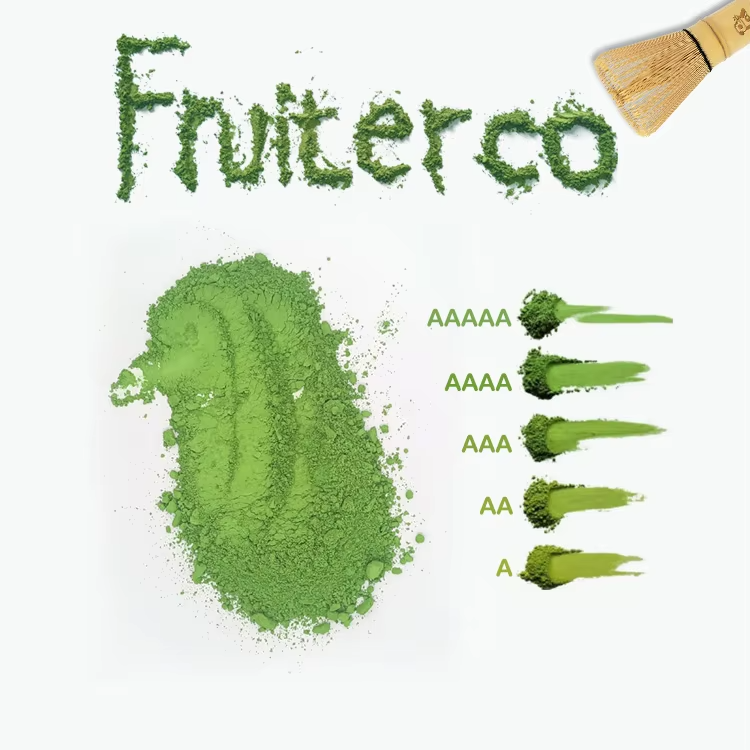
- Ceremonial grade: higher L-theanine and chlorophyll, balanced L-theanine/caffeine ratio, lower EGCG. Best for plain whisked drinking and calm-focus wellness positioning.
- Premium/latte grade: balanced profile of amino acids and catechins; ideal for cafes, RTD drinks and general daily wellness.
- Culinary grade: higher EGCG and polyphenols, more astringent taste. Suited for baked goods, smoothies, functional food formulations where bitter flavour can be masked.
Grade labels such as ceremonial or culinary are marketing terms, not official JAS (Japanese Agricultural Standards) classifications. The true quality metric is third-party lab testing of bioactives, heavy metals and pesticides, not just product naming.
Final takeaways for B2B buyers and consumers
Matcha powder works by delivering concentrated whole-leaf phytochemicals. L-theanine and caffeine together create calm, sustained focus. EGCG and polyphenols supply strong antioxidant support. Its fibre, chlorophyll and micronutrients add further nutritional value.
But matcha is not a miracle superfood. Its benefits are mild, supportive and depend heavily on purity, freshness, sourcing and consistent moderate consumption. For B2B customers, selecting matcha should be based on target product function and verified lab data, not marketing buzzwords.
For end users, matcha is best consumed as part of a healthy lifestyle. It offers a nutrient-dense alternative to high-sugar energy drinks and conventional coffee, with a unique wellness profile rooted in decades of tea phytochemistry research.
References
- Nutrients. Effects of L-Theanine and Caffeine on Cognitive Function, Mood, and Blood Pressure in Healthy Adults. PMC8163701. https://pmc.ncbi.nlm.nih.gov/articles/PMC8163701/
- Molecules. A Comparative Multianalytical Approach to the Characterization of Different Grades of Matcha Tea (Camellia sinensis (L.) Kuntze). PMC12157965. https://pmc.ncbi.nlm.nih.gov/articles/PMC12157965/
- Antioxidants. Antioxidant Properties of Green Tea and Matcha: A Review. PMC9601034. https://pmc.ncbi.nlm.nih.gov/articles/PMC9601034/
- Critical Reviews in Food Science and Nutrition. Green tea catechins and body composition: a systematic review and meta-analysis of randomized controlled trials. PMC7142764.
- Foods. Tea Polyphenols as Prebiotics and Modulators of the Gut Microbiota. PMC10270124. https://pmc.ncbi.nlm.nih.gov/articles/PMC10270124/