
Is matcha good for females?
Is matcha good for females? This is a frequently searched question among female consumers, cafe operators and B2B formulators creating wellness-focused beverage and retail product lines. Matcha’s blend of EGCG, L-theanine, chlorophyll and antioxidants makes it appealing for women’s wellness routines, yet it also carries unique considerations tied to menstruation, pregnancy, menopause, iron status and medication interactions. This article draws on peer-reviewed research and EFSA safety guidance to separate evidence-backed benefits from marketing overclaims, and deliver practical sourcing and formulation advice for brands selling matcha into North American and European markets.
Key wellness benefits of matcha relevant to women
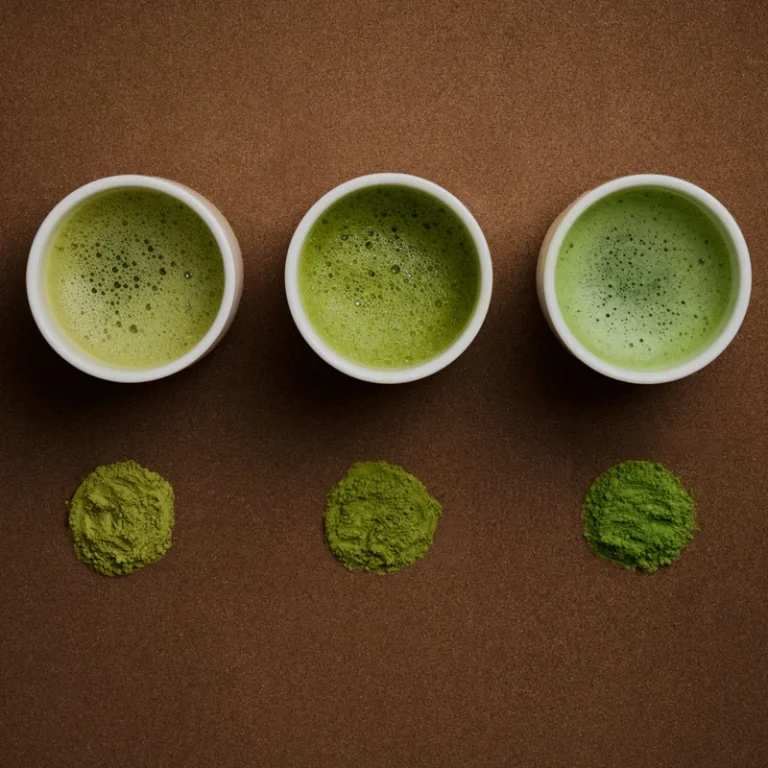
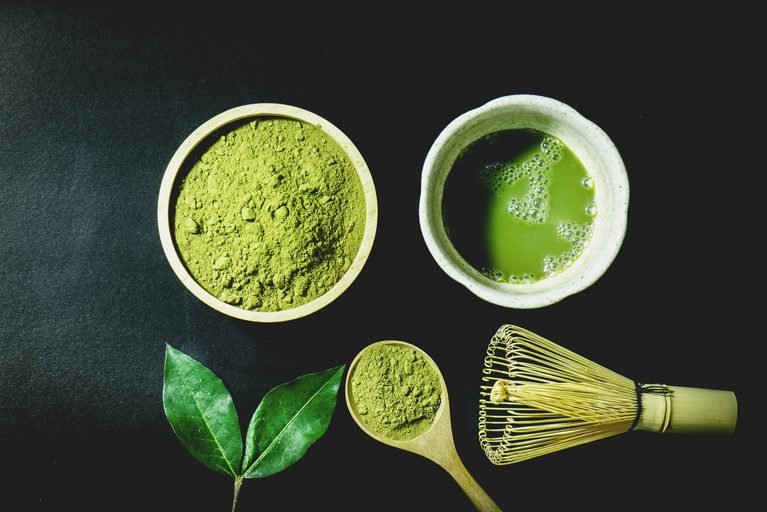
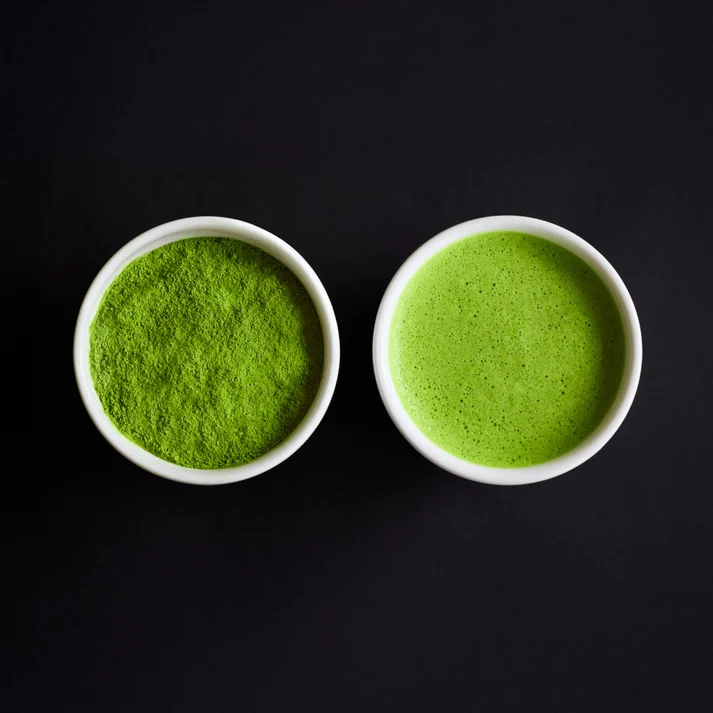
Matcha is made from shade-grown tencha leaves stone-ground into fine powder, so consumers ingest the entire leaf rather than only the soluble compounds released during steeping. This delivers higher concentrations of bioactive ingredients compared to conventional brewed green tea.
Calm energy and stress management
Many women face high daily stress, which elevates cortisol levels and disrupts mood and sleep cycles. Matcha combines caffeine and L-theanine, an amino acid that slows caffeine absorption. This creates steady, calm alertness instead of sharp caffeine spikes and jitters. Research published in Nutrients shows L-theanine can reduce perceived stress and support sustained focus without the energy crash common with coffee. This makes matcha a popular alternative for busy women seeking gentle daytime energy.
Antioxidant support for skin and oxidative stress
EGCG, the primary catechin antioxidant in matcha, helps neutralise free radicals linked with oxidative stress. Oxidative stress contributes to premature skin ageing, inflammation and cellular wear. While matcha is not a skincare treatment, regular moderate intake supports the body’s natural antioxidant defence. For B2B brands, this makes matcha a strong ingredient for beauty-from-within functional blends, though marketing must avoid unsubstantiated anti-ageing or medical cure claims.
Metabolic and insulin sensitivity support
Studies on green tea catechins indicate EGCG may modestly improve insulin sensitivity. This is relevant for women managing PCOS or metabolic health, where insulin resistance is often a contributing factor. It is critical to clarify that matcha is not a treatment for PCOS and cannot replace prescribed medical care, but it can form part of a balanced lifestyle and nutrition routine.
Bone health considerations around menopause
Bone density loss accelerates after menopause. Some observational studies link regular green tea catechin intake with better bone mineral density in women, thanks to anti-inflammatory and antioxidant effects. However, matcha should never be positioned as a bone-protective supplement. Calcium intake, weight-bearing exercise and medical screening remain the foundation of bone health for menopausal women.
Female-specific risks and precautions
While matcha offers wellness benefits, several risks disproportionately affect women and must be addressed in product information and consumer education.
Iron absorption interference
Tannins and polyphenols in matcha bind to non-heme iron and reduce its absorption by roughly 25% when consumed at the same meal. This matters most for menstruating women, those with heavy periods, vegetarians, vegans and anyone diagnosed with iron deficiency anaemia.
For women with normal iron levels, one daily serving of matcha poses minimal risk. The simple workaround is to separate matcha from iron-rich meals, leafy greens and iron supplements by 1–2 hours. B2B brands should include this practical guidance on product packaging and web content for end consumers.
Pregnancy and breastfeeding caffeine limits
EFSA guidance recommends pregnant and breastfeeding people keep total daily caffeine intake below 200 mg from all sources combined. A standard 1 g serving of matcha delivers 20–32 mg caffeine, which is low on its own, but caffeine from coffee, chocolate, soda and other teas must be added to the total.
Caffeine passes into breast milk and may cause restlessness or sleep disruption in infants. Women who are pregnant or breastfeeding should limit matcha to one standard serving per day and discuss dietary changes with their healthcare provider.
Thyroid and blood-thinning medication interactions
Some women take levothyroxine for hypothyroidism. Tea catechins can interfere with absorption of thyroid medication, so matcha should be consumed at least four hours apart from doses.
Matcha also contains high vitamin K. For women on anticoagulants such as warfarin, sudden large increases or decreases in vitamin K intake can alter medication effectiveness. Consistent, moderate consumption is key, and any dietary changes require medical consultation.
Hormonal myths to avoid
Matcha does not directly balance or regulate female hormones. It does not cure PMS, endometriosis, PCOS or menopause symptoms. Any observed improvements are indirect, through reduced stress, better insulin sensitivity or reduced inflammation, not direct hormonal manipulation. Brands must avoid misleading hormone-balancing claims that violate EU and US food marketing regulations.
Common myths about matcha for women
Myth 1: Matcha helps cure PMS or period cramps
False. Some users report reduced bloating and discomfort, but there is no strong clinical proof matcha treats menstrual pain. It may lower mild inflammation, but it cannot replace pain medication or medical care.
Myth 2: All women should drink matcha daily
False. Women with iron deficiency, thyroid disorders, kidney stone risk, caffeine sensitivity or certain medications may need to limit or avoid it. Suitability depends on individual health status, not gender alone.
Myth 3: Matcha detoxes female hormones
False. The liver handles hormone metabolism. Matcha antioxidants support normal bodily function, but there is no evidence for a targeted “hormone detox” effect. This phrase is considered a risky marketing claim in regulated markets.
B2B formulation and product labelling guidance
For brands developing matcha products targeting female wellness consumers, follow these best practices:
- Keep caffeine values clearly labelled per serving, especially for RTD lattes, wellness shots and powder blends.
- Add advisory notes for pregnant users, those taking thyroid medication or blood thinners, and women with iron deficiency.
- Avoid medical claims: describe matcha as an antioxidant-rich ingredient, not a treatment for PCOS, menopause or skin disease.
- Source matcha with full third-party lab testing for heavy metals and pesticides. Whole-leaf consumption increases exposure risk, making lab certificates essential.
- When creating marketing content, frame benefits as gentle lifestyle support rather than guaranteed results.
Final takeaways
Is matcha good for females? For most healthy adult women consuming one moderate serving daily, high-quality tested matcha can be a valuable addition to a wellness routine. It delivers EGCG, L-theanine and antioxidants that support calm focus and reduce oxidative stress.
However, women have unique physiological considerations. Iron absorption interference, caffeine limits in pregnancy, and medication interactions mean matcha is not suitable for everyone. It is a supportive functional ingredient, not a women’s health cure-all.
For B2B suppliers, transparent education around these benefits and risks builds trust with your buyers and their female end customers, while keeping your product compliant in European and North American markets.
References
- Nutrients. L-Theanine: An Overview of Its Health Benefits. PMC7142303
- EFSA. Scientific Opinion on the safety of caffeine. EFSA Journal, 2015
- Nutrients. Tea Polyphenols and Iron Absorption: A Review. PMC review of polyphenol-mineral interaction
- American Thyroid Association. Guidance on interactions between food compounds and thyroid medication.