
What not to mix with matcha?
What not to mix with matcha? Many B2B formulators, cafe operators and end consumers blend matcha into smoothies, baked goods and functional drinks without considering potential interactions or flavour/functional conflicts. While pure matcha is safe for most adults in moderate servings, certain ingredients, medications and supplements should not be combined with matcha, either due to nutrient interference, amplified stimulant effects, or safety risks. This article draws on peer-reviewed studies and EFSA guidance to explain what you should avoid mixing with matcha, separate safety risks from marketing myths, and deliver practical formulation guidance for brands selling matcha products in North America and Europe.
Why combinations with matcha carry unique risks
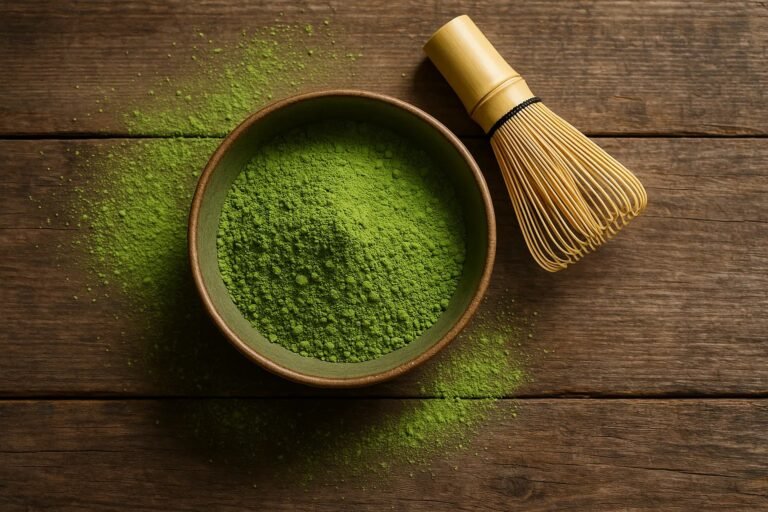
Matcha is whole shade-grown tencha leaf milled into fine powder, so all the leaf compounds enter the body upon consumption. It naturally contains caffeine, L-theanine, high catechin polyphenols, tannins, vitamin K and oxalates. These bioactive substances can interact with other compounds you consume alongside matcha. Unlike steeped green tea, discarded leaves do not trap these components, making interactions more relevant.
Some combinations only reduce nutrient absorption. Others amplify stimulant load or interfere with prescription medicines. For B2B buyers, understanding these incompatibilities helps you create safer product formulations and add transparent consumer warnings to product packaging and website copy.
1. Iron supplements and high-iron foods
One well-documented interaction is between matcha polyphenols and non-heme iron. Catechins and tannins bind to plant-based iron, reducing how much iron the gut can absorb. A review published in Nutrients notes that tea polyphenols can reduce non-heme iron absorption by roughly 25% when consumed at the same meal.
This means you should avoid mixing matcha with iron tablets, iron powder supplements, or iron-rich plant foods like spinach, lentils, pumpkin seeds and fortified cereals.
This interaction is not dangerous for healthy people with normal iron levels. The concern applies mainly to those with anaemia or low iron stores. If combining these items is unavoidable, separate matcha and iron sources by a minimum of one to two hours. For food formulators, if your product combines matcha and plant-based iron, consider adding a disclosure note on packaging.
2. Other high-caffeine ingredients
Mixing matcha with additional caffeine sources raises total stimulant intake. This includes coffee, espresso, energy drinks, guarana extract, yerba mate, cocoa powder with high caffeine content, and standalone caffeine supplements.
Matcha delivers roughly 20–32 mg caffeine per gram. Adding espresso or guarana quickly pushes total caffeine higher. EFSA advises a maximum daily caffeine intake of 400 mg for healthy adults, and less than 200 mg for pregnant or breastfeeding individuals. Combining multiple caffeine sources increases risks such as palpitations, anxiety, headaches and disrupted sleep.
For B2B product development, multi-ingredient functional beverages must calculate total combined caffeine and clearly label the total per-serving amount. Avoid stacking matcha and guarana unless the product targets only low-risk adult consumers and carries clear advisory warnings.
3. Blood-thinning medication (anticoagulants)
Matcha contains high vitamin K, which supports normal blood clotting. It should not be mixed inconsistently with anticoagulant drugs such as warfarin. Vitamin K does not negate the medication, but sudden, large shifts in daily vitamin K intake can alter the drug’s effectiveness and change INR test results.
This does not mean people on warfarin must eliminate matcha entirely. The key rule is consistent intake, not sporadic heavy servings. Patients should consult their healthcare provider before adding matcha to their routine. Brands selling matcha powder in Western markets should include this safety note in product information.
4. High-dose EGCG green tea extracts
Many wellness consumers take concentrated green tea extract capsules high in isolated EGCG alongside daily matcha. This combination creates cumulative EGCG exposure.
EFSA’s scientific opinion on EGCG highlights that rare liver adverse events have been reported at very high supplemental EGCG doses, far above what you get from drinking regular matcha. But combining daily matcha servings with high-dose EGCG supplements can push total intake into that risk range for sensitive individuals.
For B2B formulators, avoid stacking matcha with concentrated EGCG extracts in the same functional product unless the total EGCG dose is carefully calculated and kept within safe dietary limits.
5. Calcium supplements and high-calcium dairy (nutrient absorption reduction)
Calcium can bind to catechins and polyphenols in matcha. This binding reduces absorption of both the polyphenols and calcium. Studies in Foods show that high levels of calcium consumed simultaneously lower the bioavailability of tea catechins.
This is not a safety hazard, but it reduces the intended nutritional benefits. For consumers drinking matcha for antioxidant intake, heavy cream, large amounts of milk or calcium supplements taken at the same time will blunt catechin uptake.
For cafes and product developers: milk lattes are still perfectly safe and popular, but you should be aware that adding large quantities of calcium-rich dairy will reduce the measurable antioxidant bioavailability of matcha. This is useful context for product marketing and consumer education.
6. Oxalate-rich foods for people prone to kidney stones
Matcha naturally contains oxalates. When mixed with other high-oxalate ingredients such as rhubarb, spinach, almonds and beet greens, total oxalate intake rises. For people with a history of calcium oxalate kidney stones, high combined oxalate intake may increase recurrence risk.
For the general population, a single daily serving of matcha paired with normal food portions poses minimal risk. Only susceptible individuals need to monitor total oxalate consumption.
7. Alcohol
Mixing matcha and alcohol is another combination to caution against. Caffeine can mask feelings of intoxication. People may underestimate how drunk they are, leading to overconsumption, impaired judgement and dehydration.
Caffeine does not speed up alcohol metabolism or reduce liver stress. Even though matcha provides calm alertness, it cannot counteract alcohol’s effects. Brands should never market matcha-alcohol blends as a way to reduce drunkenness or lessen hangover symptoms.
Common myths about what not to mix with matcha
Myth 1: You cannot mix matcha with any dairy
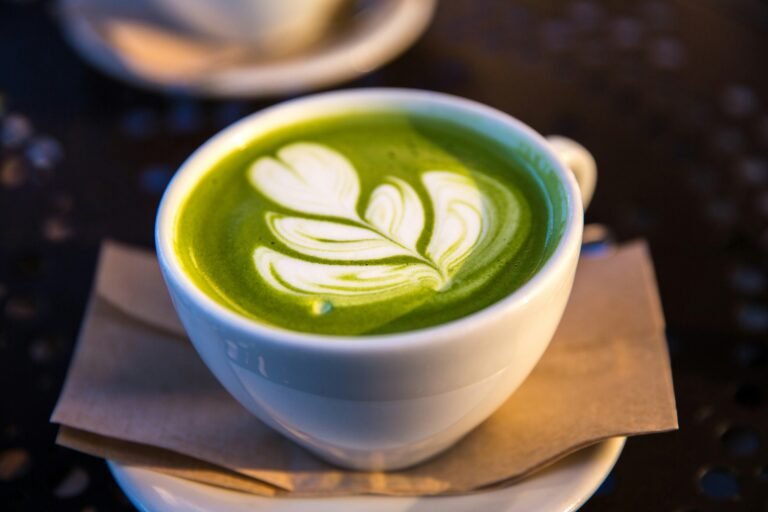
False. Milk and oat milk lattes are the most popular matcha applications globally. Dairy reduces polyphenol bioavailability but creates no health danger. It is purely a trade-off between nutritional absorption and flavour.
Myth 2: Matcha cannot be mixed with fruit
False. Most fruits work well with matcha in smoothies. Only high-iron or high-calcium fruits create minor nutrient binding effects, with no safety risk.
Myth 3: Matcha reacts dangerously with most vitamins
False. There is no broad dangerous reaction. The only notable interaction is iron absorption reduction, plus calcium-polyphenol binding. Most vitamins can safely be consumed alongside matcha.
B2B formulation best practices
When developing matcha-based products, keep these rules in mind:
- Calculate total caffeine if combining matcha with other caffeinated botanicals, and clearly label per-serving caffeine.
- Avoid marketing claims that overstate antioxidant benefits when pairing matcha with high calcium dairy.
- Include safety disclaimers for sensitive groups: pregnant people, those on blood thinners, caffeine-sensitive users.
- Do not combine matcha with high-dose EGCG extracts unless full safety dose review is completed.
- For consumer-facing content, separate absorption trade-offs from actual health hazards so readers are not unnecessarily alarmed.
Final takeaways
What not to mix with matcha? The main risky combinations are extra caffeine sources, iron supplements, blood-thinning medication and high-dose EGCG extracts. Many other common pairings such as milk are safe, though they may reduce polyphenol absorption. Most risks depend on individual health conditions and serving size rather than an inherent dangerous reaction between ingredients.
For B2B matcha suppliers and product formulators, educating your customers about these interactions builds credibility and helps avoid regulatory pitfalls in EU, UK and US markets. Transparent information lets buyers design safe, compliant matcha products for their customers.
References
- Nutrients. Tea Polyphenols and Iron Absorption: A Review. PMC review of polyphenol-mineral interaction.
- EFSA. Scientific Opinion on the safety of epigallocatechin gallate (EGCG) from green tea extracts. EFSA Journal, 2018.
- Foods. Interactions between Tea Polyphenols and Minerals: Bioavailability and Functional Implications. PMC10270124.
- EFSA. Scientific Opinion on the safety of caffeine. EFSA Journal, 2015.