
What type of matcha is best for drinking?
What type of matcha is best for drinking? This is a common search from end consumers, cafe operators and B2B buyers developing ready-to-drink beverages, retail powder sachets and wellness lines. Many buyers assume one universal matcha grade works for all drinking styles. In truth, the best matcha for drinking depends heavily on whether you serve it neat, as a latte, iced, or blended into smoothies. This article compares matcha grades, key quality markers, sourcing pitfalls and practical B2B guidance for brands selling matcha into North American and European markets.
Core matcha grades for drinking
First, ceremonial grade matcha is formulated specifically for drinking plain with hot water. It uses tender first-flush shaded tencha leaves, stripped of stems and veins, then stone-ground into an ultra-fine powder. It delivers soft umami, subtle natural sweetness and low bitterness, designed to be enjoyed without milk or sugar. Second, premium culinary grade matcha works for mixed drinks like hot lattes, iced matcha and smoothies. It uses later-harvest leaves, offering stronger vegetal notes that stand up to dairy, sweeteners and ice dilution. It is more affordable and widely available in bulk for commercial beverage use. Third, standard culinary matcha suits high-volume cafes and value beverage lines. It has deeper astringency and muted colour, and it relies on milk or sweetener to mask harsh flavours. It is not recommended for plain drinking, as its bitter taste dominates without additives.
What quality traits to look for in matcha for drinking
Vibrant colour
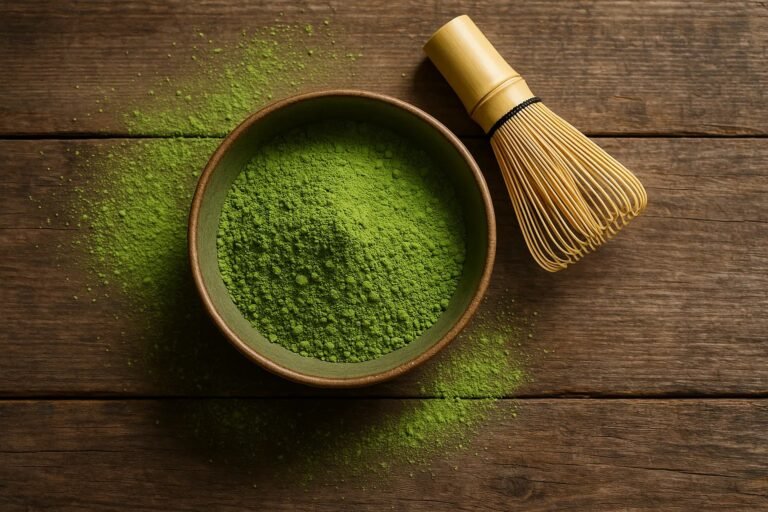
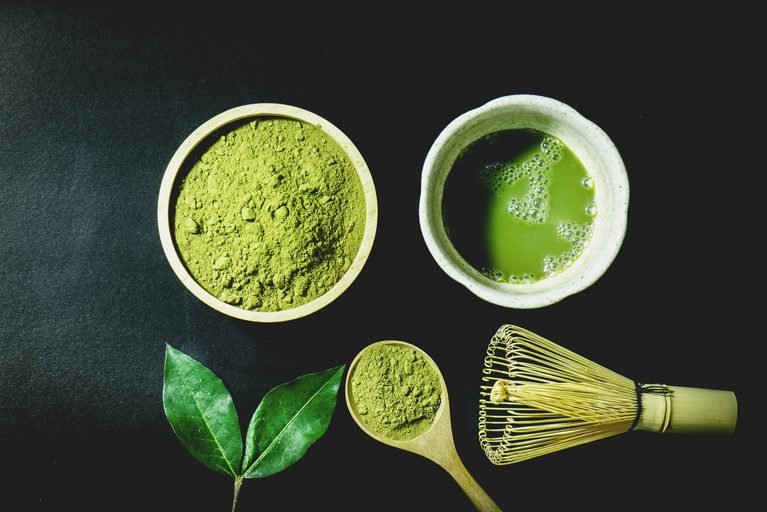
High-quality drinking matcha has a bright jade or emerald green colour. Dull olive, yellowish or brown powder signals oxidation, older harvest or lower leaf quality. Oxidation breaks down chlorophyll, L-theanine and EGCG, weakening flavour and nutritional value. Be mindful that some suppliers add artificial colourants to fake bright green; independent lab testing helps identify adulterated batches.
Fine particle texture
For drinking, particle size directly impacts suspension and mouthfeel. Stone-ground matcha produces an extremely fine powder that disperses quickly in warm water, leaving minimal sediment. Coarsely milled matcha settles rapidly at the bottom of cups, creating gritty texture that ruins the drinking experience. Mechanical high-speed grinding can also create heat damage, harming flavour even if colour looks appealing.
Freshness
Matcha oxidates quickly once milled. Fresh matcha retains its aroma, smooth flavour and bright colour. Poorly stored powder exposed to heat, light or air will stale within months. Reliable suppliers use opaque, airtight packaging and clearly mark grind dates. For beverage brands, prioritising recently ground stock ensures consistent taste across your product runs.
Clean flavour profile
Plain drinking requires balanced umami with very low bitterness. Latte applications tolerate mild astringency because milk fat coats taste receptors and softens sharp notes. If matcha tastes overwhelmingly grassy or bitter on its own, it is not suitable for neat drinking, though it may still perform well in blended drinks.
Matching matcha type to your drinking style
Neat, plain matcha (no milk or sugar)
Ceremonial grade is the best choice here. Its young spring leaves deliver high L-theanine, silky texture and gentle sweetness. Use water between 70°C and 80°C and whisk vigorously to build microfoam. Premium ceremonial matcha is ideal for luxury tea service, premium retail wellness packs and tasting menus. It carries a higher price point, so it is not cost-effective for high-volume daily cafe lattes.
Hot matcha lattes
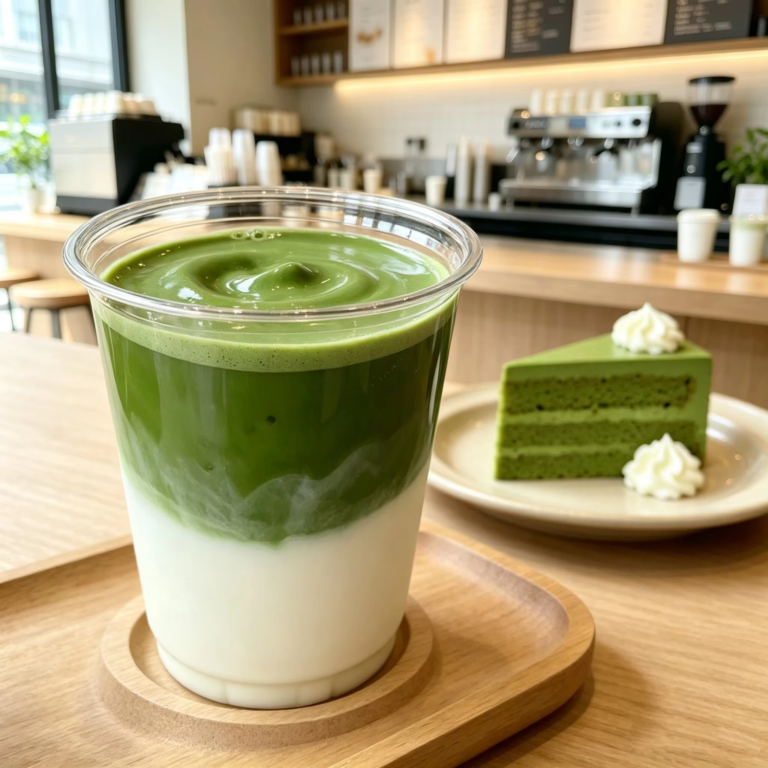
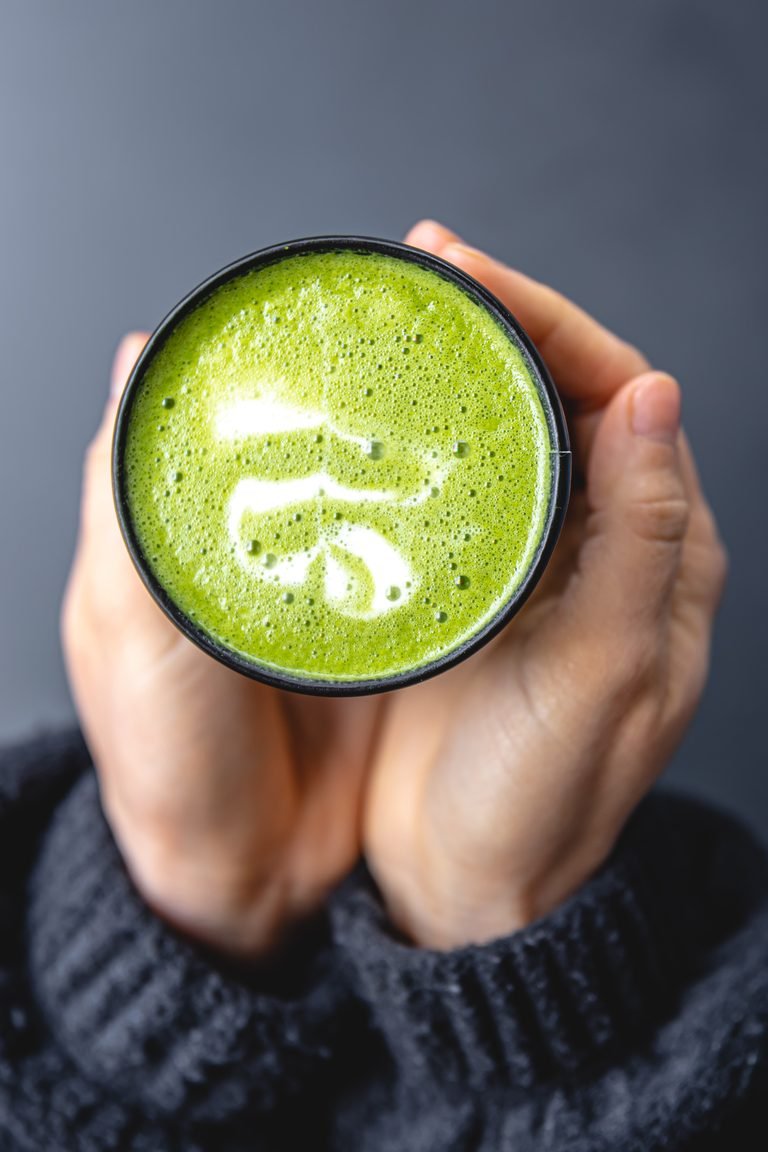
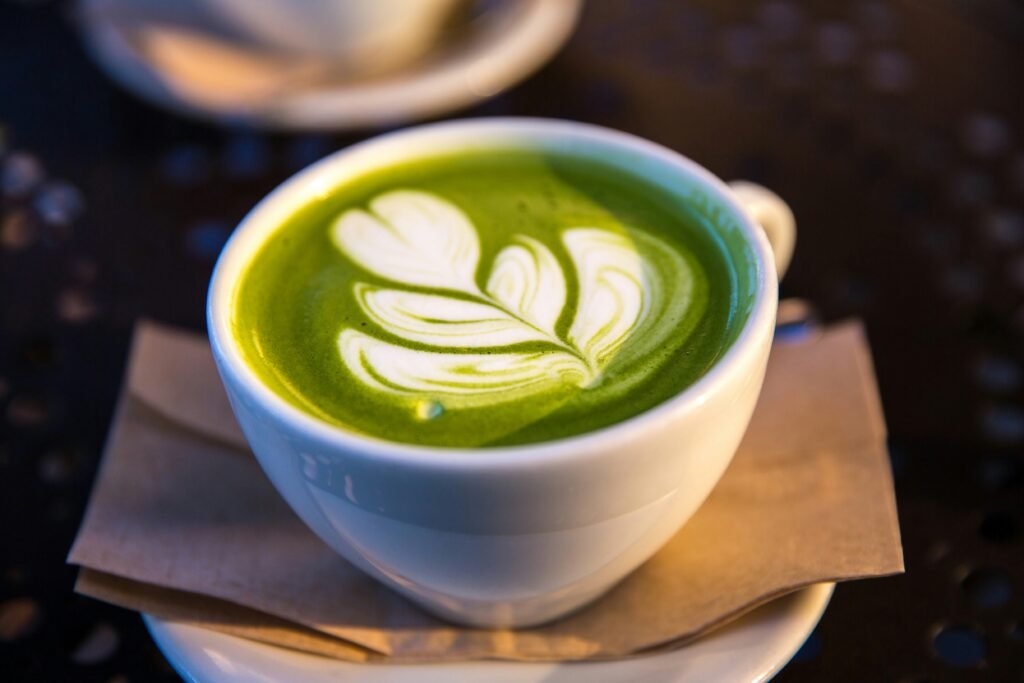
Premium culinary grade matcha is the most practical pick for hot lattes. It maintains rich green colour after mixing with steamed milk and holds its flavour without turning overly bitter. The slight vegetal edge pairs beautifully with dairy or plant milk. Most specialty cafes rely on this grade to balance drink quality and ingredient cost.
Iced matcha
Premium culinary matcha also works best for iced matcha. Cold water makes powder harder to suspend, so pre-make a warm matcha paste first before adding ice and liquid. Ceremonial grade can be used for premium iced beverages, but the extra expense rarely translates into a noticeable flavour improvement once diluted with ice. Standard culinary matcha may turn bitter when iced, so sample testing is essential.
Smoothies and blended wellness drinks
Premium or standard culinary grades both fit smoothies. Fruit, nut butter and sweeteners mask minor astringency. The key requirement is good powder dispersion to avoid clumps. Test different samples with your exact blend recipe, as some matcha clumps heavily in cold, high-protein mixtures.
Nutrient considerations for drinking matcha
Ceremonial matcha generally contains higher L-theanine per gram, creating that well-known calm, focused energy many consumers seek. Culinary matcha still contains EGCG, antioxidants and caffeine, but the catechin-to-L-theanine ratio is less gentle.
A standard 1g serving for drinking contains roughly 20–32mg caffeine. Total daily caffeine intake must be considered for consumer-facing products, especially for wellness beverage lines sold in the EU, which follows strict EFSA caffeine labelling guidance.
Remember that all matcha is whole leaf powder, so both grades contain vitamin K and polyphenols that can interfere with iron absorption or certain medications. Product packaging and brand content should include these safety disclaimers for end drinkers.
Common myths about choosing matcha for drinking
Myth 1: Ceremonial grade is the only matcha safe for drinking
False. Premium culinary matcha is completely safe and widely used for daily drinking in lattes and iced drinks. The difference is flavour profile and cost, not safety. Safety depends on lab testing for heavy metals and pesticides, not the grade label.
Myth 2: Bright green colour always means high-quality drinking matcha
False. Artificial colour additives can create vivid green powder. Always validate with COA batch testing and sensory tasting, rather than judging quality by colour alone.
Myth 3: All culinary matcha is low quality
False. Premium culinary matcha is carefully produced for beverage use, with excellent suspension and stable colour. It is engineered to perform well in mixed drinks and represents the best value for most drinking applications.
Myth 4: Once you pick a grade, all batches will taste identical
False. Harvest season, weather and storage change flavour and colour batch to batch. B2B buyers must sample every new batch before full production.
B2B sourcing checklist for drinking matcha
- Confirm the intended end drink application before selecting your grade. Do not over-specify ceremonial grade for lattes unless building a luxury product line.
- Request batch-specific COAs covering heavy metals, pesticides and microbial safety. Organic certification alone does not guarantee low heavy metal levels.
- Run sensory and mixing tests using your exact drink recipe, not just plain whisked water. Performance changes drastically with milk, ice or fruit.
- Verify milling method and grind date. Stone grinding and recent milling deliver better suspension and flavour for drinking applications.
- Confirm packaging protects against light and oxygen to preserve freshness during shipping and shelf storage.
- Keep a secondary supplier to offset harvest shortages and batch quality fluctuations.
Final takeaways
What type of matcha is best for drinking? For plain, unsweetened matcha, ceremonial grade is the optimal choice, offering smooth umami and minimal bitterness. For lattes, iced matcha and smoothies, premium culinary grade delivers the best balance of flavour, colour and commercial value. Standard culinary matcha works only in heavily blended drinks where strong flavours mask its natural astringency.
No single matcha type fits every drinking style. For B2B beverage brands, the best matcha for drinking is the grade that performs reliably in your finished drink, passes all batch safety tests and aligns with your product positioning and budget.
References
- Molecules. Sensory and phytochemical profiles of matcha from different harvest periods
- Nutrients. L-theanine and catechin distribution in shade-grown green tea leaves
- EFSA. Caffeine safety and labelling requirements for powdered beverage ingredients
- Food Additives & Contaminants. Heavy metal assessment in commercial matcha powders