
Is matcha healthier than green tea
Is matcha healthier than green tea? This question frequently comes up for B2B formulators, cafe buyers and end consumers comparing tea ingredients for functional foods, retail packs and daily beverage use. Both matcha and conventional green tea come from the same plant, Camellia sinensis, yet differences in cultivation, processing and consumption method create distinct nutritional profiles. Many marketing materials claim matcha is vastly superior, but the reality is nuanced. This article uses peer-reviewed research and food safety guidance to compare matcha and regular green tea, break down their nutrient differences, separate facts from marketing hype, and deliver practical sourcing advice for brands selling into North American and European markets.
The core difference: whole leaf consumption vs steeped infusion
To properly evaluate whether matcha is healthier than green tea, it is critical to understand how each product is made and consumed.
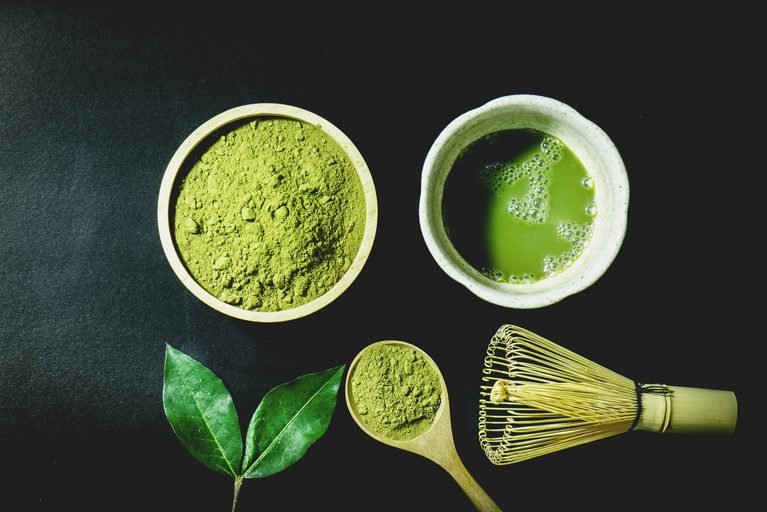
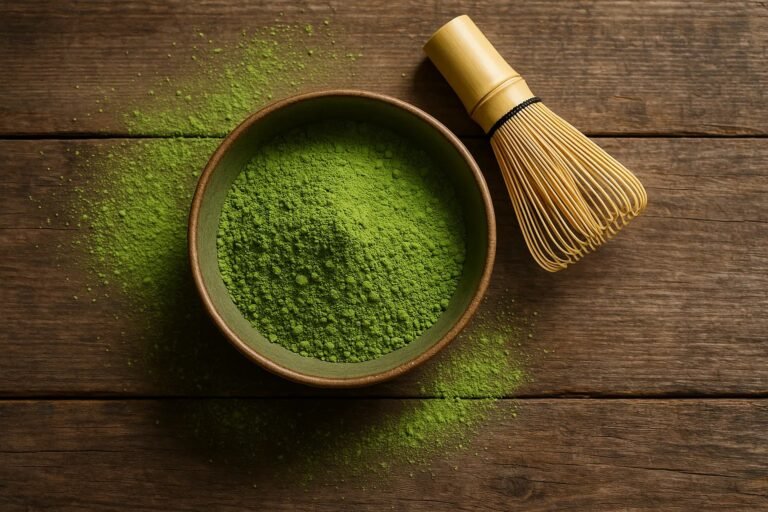
Matcha is produced from shade-grown tencha leaves. Farmers cover the tea bushes for 20 to 30 days before harvest to block sunlight. This shading triggers the plant to produce higher levels of chlorophyll, amino acids and polyphenols. After harvesting, the stems and veins are removed from the leaves, which are then slowly stone-ground into an ultra-fine green powder. When you prepare matcha, you consume the entire leaf powder suspended in water, not just compounds that leach out into liquid.
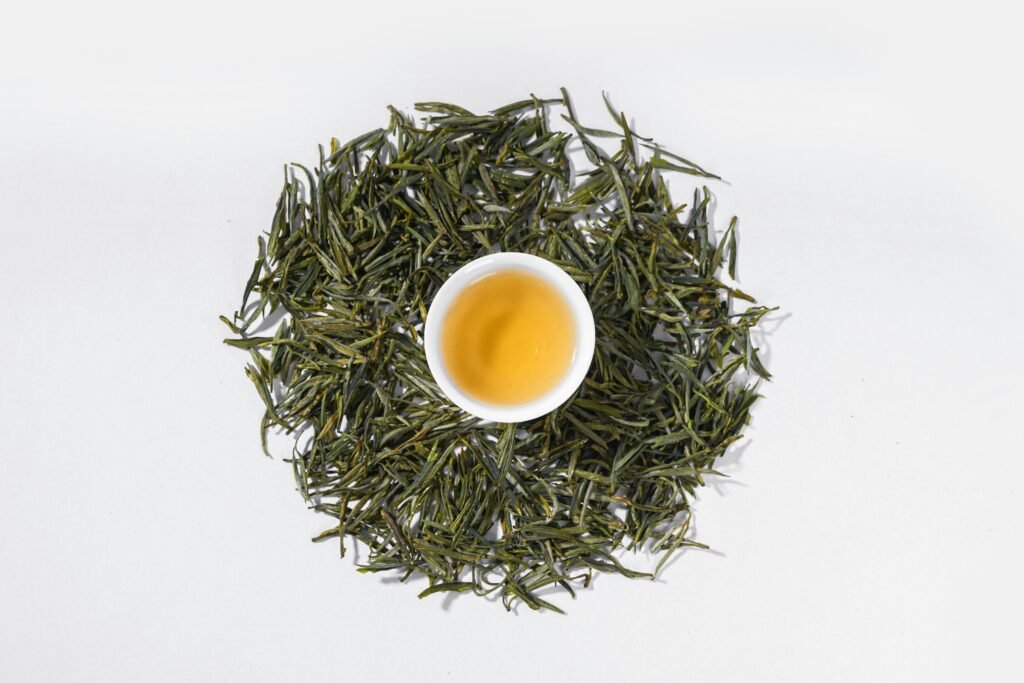
Regular green tea is also made from Camellia sinensis, but the leaves are not shaded in the same way. Leaves are steamed or pan-fired to stop oxidation, rolled and dried. To drink green tea, you steep the dried leaves in hot water and discard the solid leaf material afterwards. Only the soluble compounds dissolve into the cup. Many beneficial nutrients remain trapped inside the discarded leaf solids.
This single distinction explains most of the nutritional gaps between the two products.
Antioxidants and EGCG comparison
Epigallocatechin gallate, or EGCG, is the primary catechin antioxidant in green tea and matcha. Published studies confirm matcha contains higher total EGCG per gram of dry material than standard green tea leaves.
Because you ingest the whole leaf, a standard 1-gram serving of matcha delivers significantly more EGCG than a single cup of brewed green tea. A review published in Nutrients notes that typical matcha servings can deliver two to three times the EGCG found in a cup of conventionally brewed green tea.
However, this comparison is often misrepresented. If you compare equal weights of dry leaf, the difference shrinks. Shading increases catechin and chlorophyll levels, but regular high-quality loose-leaf green tea also contains substantial EGCG. The biggest boost comes from eating the entire leaf, not just steeping it.
For B2B buyers, this means matcha is a stronger option when your product requires concentrated antioxidants per serving. But claims about antioxidant potency must be factual and cannot state that matcha cures or prevents disease.
L-theanine: the amino acid for calm alertness
L-theanine is an amino acid unique to tea that supports relaxed focus. Shade cultivation stimulates tea plants to produce more L-theanine. As a result, matcha generally has higher L-theanine concentrations than regular green tea.
Research in Nutrients demonstrates that L-theanine works alongside caffeine to slow caffeine absorption, creating sustained alertness without the sudden jitters often associated with coffee. Because matcha contains more L-theanine per serving, many users report a smoother, longer-lasting energy experience compared with drinking brewed green tea.
That said, high-grade loose-leaf green tea harvested from young spring shoots can still contain meaningful amounts of L-theanine. The advantage of matcha is consistency and higher concentration in each standard serving.
Caffeine levels
Matcha and green tea both contain naturally occurring caffeine. A 1 gram serving of matcha delivers roughly 20–32 mg caffeine. A standard 240 ml cup of brewed green tea usually contains 20–30 mg caffeine.
Per cup, the caffeine is broadly similar. The risk comes with serving size. If a product formulation uses multiple grams of matcha powder, total caffeine quickly rises. With brewed green tea, it is harder to accidentally consume large amounts because the leaf solids are thrown away.
For brands, both ingredients require caffeine labelling for RTD drinks and retail powder products.
Vitamins, minerals and fibre
Since matcha is whole leaf powder, it retains fibre, vitamin K, chlorophyll and minerals that do not dissolve into hot water. Brewed green tea contains almost no dietary fibre, as fibre stays in the discarded leaves.
Matcha’s vitamin K content is a key consideration. High and sudden changes in vitamin K intake can interfere with anticoagulant medication such as warfarin. Regular brewed green tea has much lower vitamin K exposure because only small amounts leach into the infusion. This is an important safety difference, not just a nutritional benefit.
Fibre from matcha powder also makes it useful for functional food formulations like baked goods, granola mixes and smoothies, where fibre content is a selling point. Regular brewed green tea cannot contribute fibre to recipes.
Potential downsides: matcha carries higher contaminant risk
While matcha has higher nutrient density, it also comes with greater exposure risks. Tea plants absorb heavy metals such as lead and aluminium from soil. Since you consume the entire leaf with matcha, heavy metal intake potential is higher than with brewed green tea, where most metals remain in the discarded leaves.
Organic certification does not automatically guarantee low heavy metal levels, as soil contamination cannot be removed by organic farming practices. Third-party lab testing is essential for matcha sourcing. For brewed green tea, this risk is reduced, though not eliminated.
Matcha also contains oxalates and tannins. These compounds can bind to iron and reduce mineral absorption, and may irritate sensitive stomachs when consumed on an empty stomach. The same compounds exist in green tea, but consumption of the full leaf increases total intake.
Common myths about matcha vs green tea
Myth 1: Matcha is a completely different plant from green tea
False. Both are from Camellia sinensis. Matcha is a specialised form of green tea defined by shading, processing and whole-leaf consumption.
Myth 2: Green tea has no antioxidants
False. Brewed green tea still delivers catechins and antioxidants. The concentration per cup is lower than a standard matcha serving, but it remains a nutrient-rich beverage.
Myth 3: Matcha is always healthier for everyone
False. For people taking blood thinners, those with kidney stone risk or those sensitive to heavy metal exposure, brewed green tea may be the safer option. “Healthier” depends on the consumer’s individual health profile.
B2B sourcing and formulation guidance
When deciding between matcha and green tea for your product line, consider your target audience and product goals:
- Choose matcha if your selling points are high antioxidants, L-theanine, fibre and vibrant green colour for lattes, baked goods and functional powders.
- Choose brewed green tea extracts or loose-leaf green tea if your formulation requires lower heavy metal exposure risk, lower vitamin K and simpler consumer safety warnings.
If you formulate with matcha, always request third-party lab certificates for heavy metals, pesticides and microbial safety. If you use green tea extract, verify the standardised EGCG content and comply with EFSA guidance on high-dose EGCG safety.
Marketing language should avoid absolute claims. Instead of “matcha is healthier than green tea”, use phrasing such as “matcha delivers higher levels of whole-leaf nutrients per serving compared to brewed green tea”.
Final takeaways
Is matcha healthier than green tea? There is no universal yes or no answer. Matcha delivers higher concentrations of EGCG, L-theanine, chlorophyll, fibre and vitamin K because you consume the entire shade-grown leaf. For healthy adults drinking moderate, tested servings, matcha offers a more nutrient-dense beverage.
However, these same attributes also create higher potential risks: greater heavy metal exposure risk, higher vitamin K for users on blood thinners, and higher oxalate and tannin intake. Brewed green tea is gentler, simpler and lower risk for many consumers, while still providing beneficial catechins.
For B2B suppliers and formulators, the best ingredient choice depends on product objectives, target customers, labelling requirements and safety risk assessment. Transparent comparison helps buyers select the right tea ingredient for their brand.
References
- Nutrients. Green Tea Catechins and Liver Safety: A Review of Human Evidence. PMC7796401
- Nutrients. L-Theanine: An Overview of Its Health Benefits. PMC7142303
- EFSA. Scientific Opinion on the safety of epigallocatechin gallate (EGCG) from green tea extracts. EFSA Journal, 2018
- Food Additives & Contaminants. Heavy metal concentrations in commercial matcha powders. 2019