
Is there a difference between ceremonial matcha and regular matcha?
Is there a difference between ceremonial matcha and regular matcha? This question arises constantly for cafe operators, private-label formulators and B2B buyers building matcha beverage, bakery and wellness product lines. Many buyers mistakenly assume “ceremonial” is simply a fancy marketing label, while others believe regular matcha is lower quality in every scenario. In reality, ceremonial and culinary (regular) matcha differ in farming, leaf selection, flavour profile, nutrient composition and intended use. This article draws on peer-reviewed tea research and EFSA food safety guidance to break down these distinctions, dispel common misconceptions, and deliver actionable sourcing guidance for brands selling matcha in North America and European markets.
Core production differences between ceremonial and regular matcha
First, ceremonial matcha uses only first-flush spring tea shoots, the youngest and most tender new growth harvested in early spring. Farmers shade these tea bushes for 20–30 days before harvest to boost chlorophyll and amino acid production. After harvesting, workers strip away stems and veins from tencha leaves, then slowly stone grind the remaining leaf material into an ultra-smooth powder.
Second, regular culinary matcha relies on second or third-flush harvests with more mature tea leaves. While these plants also receive some shading, the shading period is shorter. The resulting tencha contains less L-theanine and chlorophyll, creating a stronger, more astringent flavour profile that holds up well when mixed with milk, sugar, flour or fruit.
Third, grading terminology for matcha is not legally regulated by a universal global standard. Suppliers may apply the “ceremonial” label inconsistently. For B2B buyers, batch documentation and lab testing carry far more weight than product labels alone.
Colour, texture and taste comparison
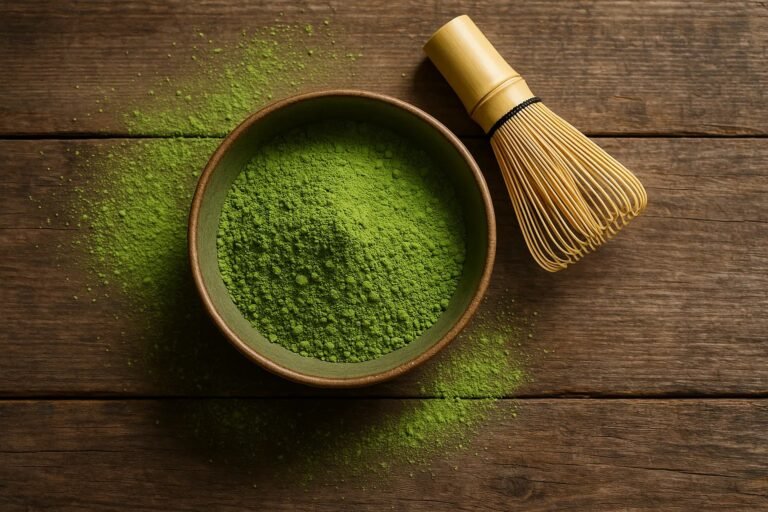
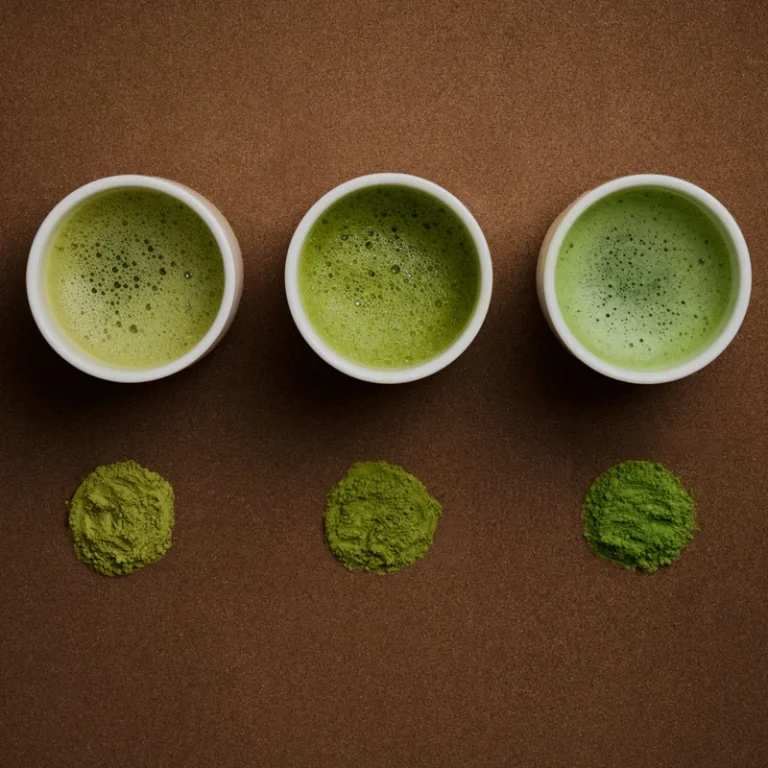
Ceremonial matcha displays a vivid jade-green colour and an extremely fine, silky texture. When whisked in plain hot water, it suspends smoothly with minimal sediment. Its flavour features gentle umami, subtle sweetness and very low bitterness. This delicate profile is designed for drinking neat, without milk or sweeteners, in traditional Japanese tea ceremonies.
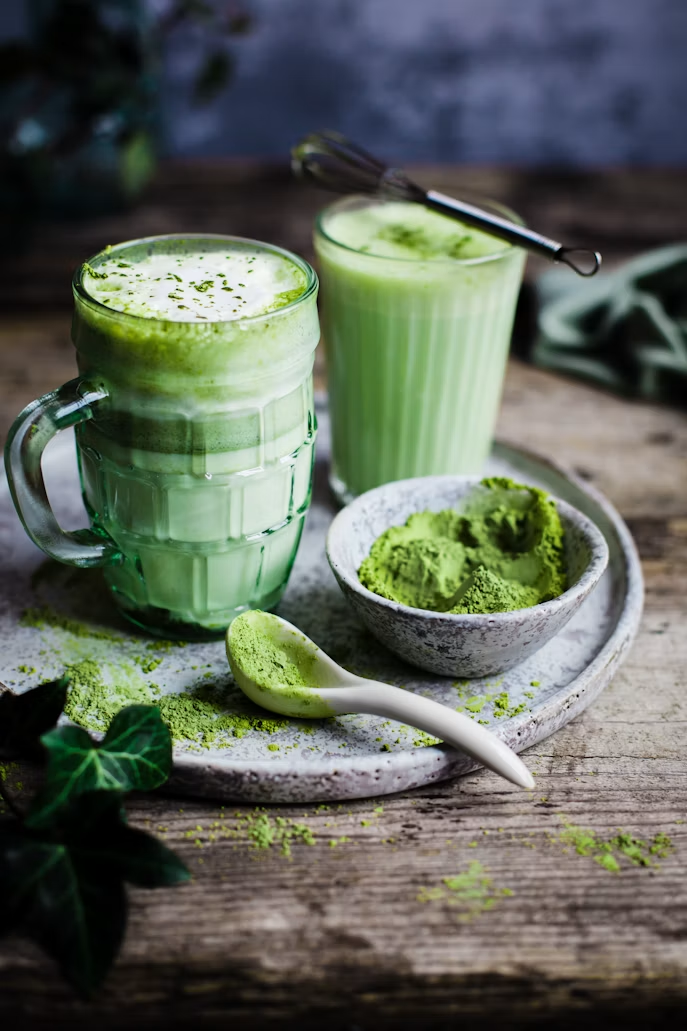
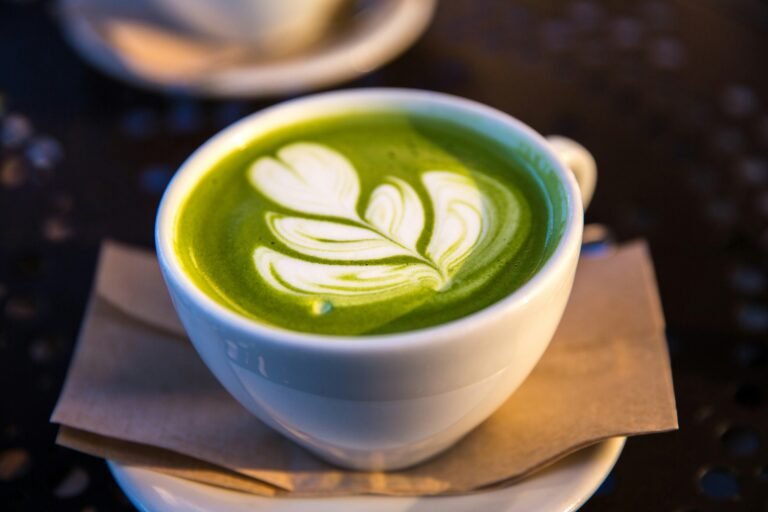
On the other hand, regular culinary matcha often has a slightly duller olive-green hue and coarser particle texture. Its flavour carries stronger vegetal notes and noticeable astringency. On its own, it can taste bitter, but dairy, sweeteners and heat mask these characteristics effectively. For this reason, culinary matcha is the standard choice for lattes, ice cream, baked goods and smoothies.
Even so, premium culinary grades can deliver a bright green colour ideal for retail products. Colour alone is not a foolproof quality test, as some suppliers add colourants to mimic vibrant green tones. Independent lab testing helps rule out adulteration.
Nutrient profile: L-theanine, EGCG and caffeine
Ceremonial matcha’s young shaded leaves naturally contain higher L-theanine per gram. This amino acid pairs with caffeine to create the signature calm alertness effect many consumers seek. It also holds elevated chlorophyll levels, contributing to its bright green appearance.
Regular culinary matcha still contains EGCG, caffeine and antioxidants, but its L-theanine concentration is generally lower. The ratio of catechins to L-theanine shifts, making its stimulant effect feel sharper when consumed without other ingredients. Caffeine per gram may still fall within a similar range, but nutrient balance differs significantly.
For B2B formulators targeting wellness-focused products that advertise calm focus, ceremonial grade delivers a more favourable L-theanine to caffeine ratio. For standard bakery or cafe applications, culinary matcha offers sufficient antioxidants at a lower price point.
Pricing and commercial suitability
Ceremonial matcha commands a much higher price per kilogram. Limited first-flush harvest volumes, hand leaf selection and slow stone grinding drive production costs upward. It is best suited for luxury tea experiences, premium retail powder packs and high-end wellness lines. Using ceremonial matcha for mass baking is usually a waste of budget, because high heat breaks down its delicate aromatic compounds anyway.
Regular culinary matcha has a lower production cost and larger supply volume. It is built to withstand heat processing, blending and dairy mixing without losing its core functional traits. Most cafes and food manufacturers select culinary matcha for daily production, as it balances performance and cost efficiency.
Safety and labelling considerations
Both ceremonial and regular matcha are whole-leaf tea powder, so both carry the same core safety considerations. They contain vitamin K, oxalates and polyphenols that can interact with certain medications or reduce iron absorption. Similarly, both require heavy metal and pesticide batch testing, since tea plants absorb contaminants from soil regardless of grade.
Higher price or ceremonial branding does not automatically guarantee better safety results. A low-batch ceremonial matcha sample may fail heavy metal limits, while a culinary matcha batch can pass all safety screenings. Therefore, B2B buyers must request a unique COA for every batch, regardless of the grade they intend to purchase.
Common myths about matcha grades
Myth 1: Ceremonial matcha is always healthier than regular matcha
False. Ceremonial matcha has higher L-theanine and chlorophyll, but regular culinary matcha still delivers meaningful EGCG and antioxidant content. Health suitability also depends on serving size and individual consumer health status, not grade alone.
Myth 2: You cannot drink culinary matcha plain
False. You can whisk culinary matcha with hot water and drink it neat. However, its bitter, astringent flavour is less enjoyable without sweeteners or milk.
Myth 3: All ceremonial matcha is Japanese origin
False. Some suppliers label non-Japanese powder as ceremonial grade. Always verify farm origin, cultivar and harvest records before purchasing premium-grade matcha.
Myth 4: Ceremonial grade cannot be used in baking
False. Technically it works, but the premium flavour notes degrade under heat. It rarely justifies the extra expense for baked goods formulations.
B2B sourcing decision guide
When choosing between ceremonial and regular matcha for your product line, start by defining your end product and customer expectations:
- Luxury tea service, premium wellness retail: Select ceremonial grade. Prioritise first-flush harvest, bright jade colour, full traceability and high L-theanine levels.
- Café lattes, bubble tea and ready-to-drink beverages: Premium culinary matcha is the standard pick. It maintains colour and flavour after mixing with milk and sweeteners.
- Baking, ice cream, heat-processed desserts: Standard culinary grade is ideal. Heat masks bitterness, and cost savings improve product margins.
- Private label wellness powder blends: Evaluate your marketing claims. If highlighting calm focus and L-theanine, ceremonial grade may fit; if only general antioxidants are promoted, culinary grade often suffices.
Always order small trial samples before committing to bulk orders. Test each grade inside your exact formulation, not only whisked in plain water. Colour stability, mixing behaviour and flavour can change dramatically once combined with dairy, heat or sweeteners. Keep a secondary supplier on hand to mitigate harvest shortages and batch quality fluctuations.
Final takeaways
Is there a difference between ceremonial matcha and regular matcha? Yes, the two grades differ in harvest timing, leaf maturity, flavour, nutrient balance, price and intended use. Ceremonial matcha uses young first-flush shaded leaves, delivering silky texture, umami sweetness and higher L-theanine for drinking neat. Regular culinary matcha uses later-harvest mature leaves, offering a stronger, more robust profile designed for mixing and cooking.
Even so, the “best” grade depends on your product goals and budget. A premium ceremonial grade is not automatically superior for every application. For B2B buyers, lab test certificates, traceability and formulation testing are far more important than grade labels when selecting matcha for European and North American markets.
References
- Molecules. A Comparative Multianalytical Approach to the Characterization of Different Grades of Matcha Tea. PMC12157965
- Nutrients. L-Theanine: An Overview of Its Health Benefits. PMC7142303
- EFSA. Scientific Opinion on the safety of caffeine. EFSA Journal, 2015
- Food Additives & Contaminants. Heavy metal screening for tea powder ingredients.